


Gear & screw pumps.Matched to
your fluid.
Explore rotary pumping configurations for petroleum products, lubrication and industrial transfer. Review viscosity, temperature, differential pressure and suction conditions together.
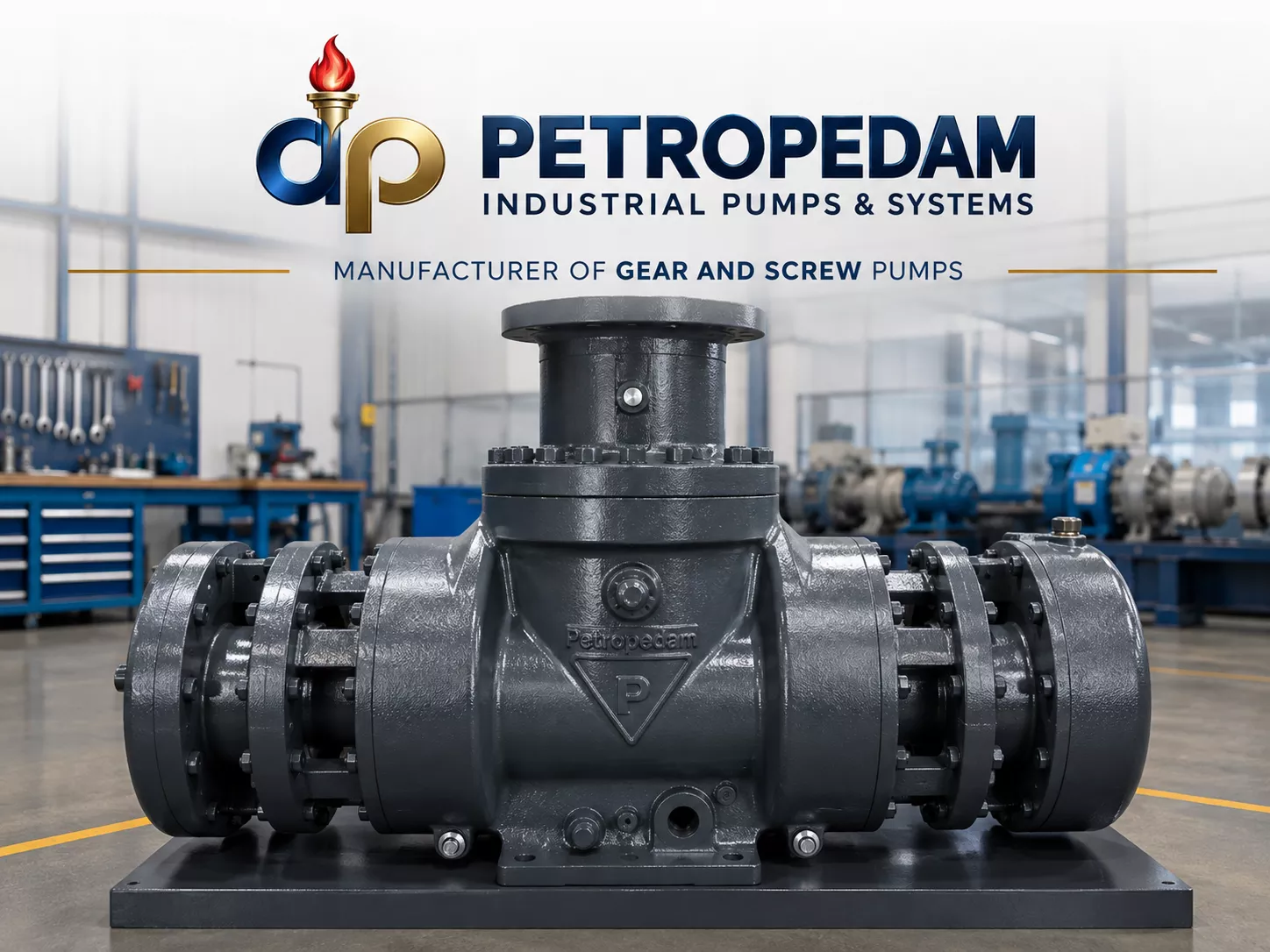
Two technologies.
A duty-specific choice.
Both are rotary positive-displacement pumps. The rotor arrangement, fluid lubricity, viscosity and operating conditions determine the appropriate construction.
Gear pumps
Rotating gears carry liquid through the spaces between the teeth and casing. Gear form, clearances, bearings, materials and seals are selected for the fluid and duty.
Explore gear-pump series ↓Screw pumps
Rotating screw elements move liquid axially through the pumping chamber. Rotor configuration and lubrication arrangements influence fluid suitability and the operating envelope.
Explore the screw-pump series ↓Compare gear and screw pump requirements
A guide to the engineering discussion. Compare the selected models’ data before choosing a configuration. Scroll the table horizontally on smaller screens.
| Consideration | Gear pump | Screw pump |
|---|---|---|
| Pumping elements | Gear teeth and casing chambers | Screw rotors and casing chambers |
| Viscosity | Check filling, clearances, speed and torque | Check rotor design, filling, speed and torque |
| Fluid properties | Confirm lubricity, chemical compatibility, gas and solids limits | Confirm lubricity, bearing arrangement, gas and solids limits |
| Flow behaviour | Displacement, speed and slip determine actual flow | Displacement, speed and slip determine actual flow |
| System review | Suction conditions, drive, sealing and pressure protection | Suction conditions, drive, sealing and pressure protection |
Explore the series.
View the existing gear and twin-screw series. Open the review points or the full-size image, then request the applicable technical data.
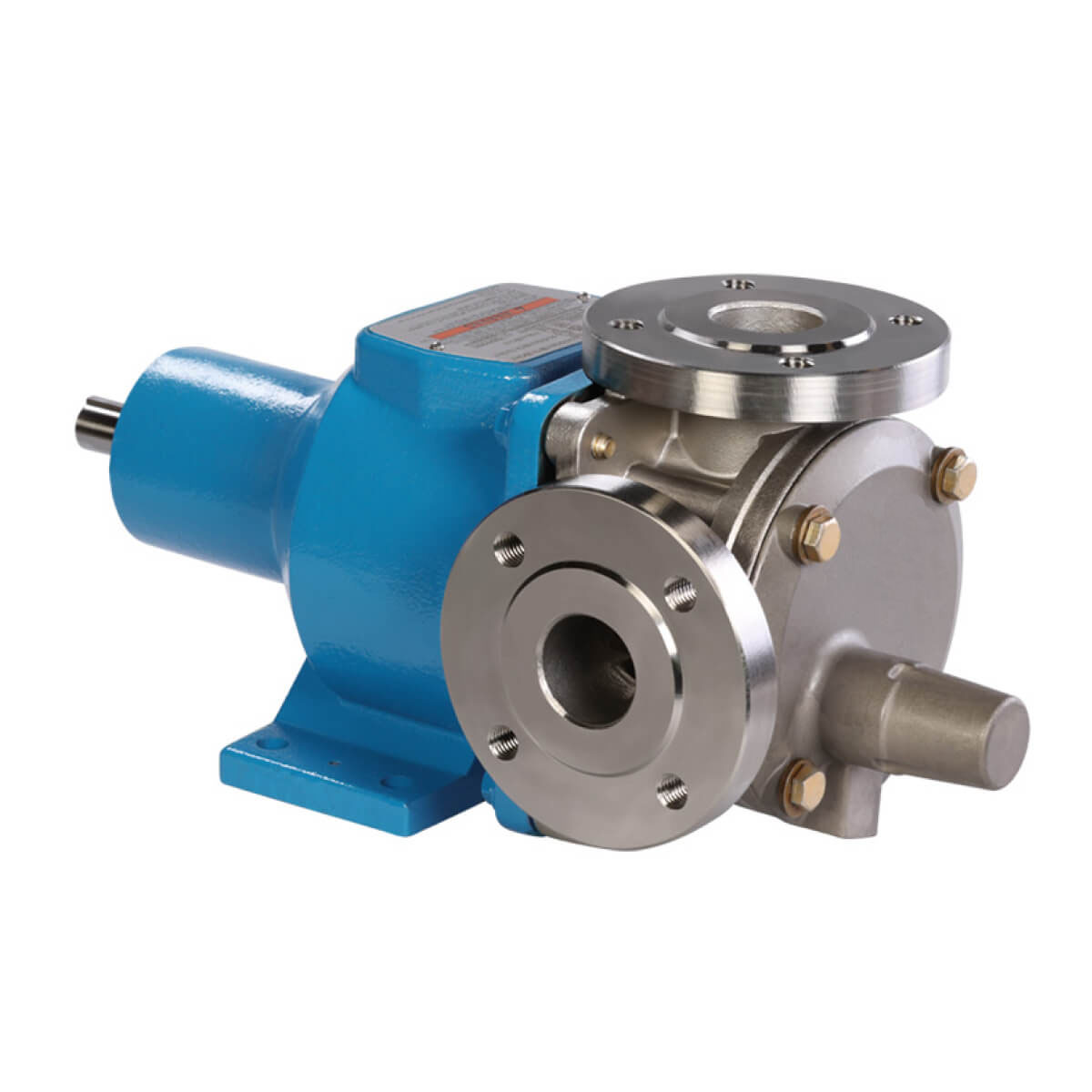 View full-size image ↗
GPI Series
External gear-pump series for lubrication, fuel transfer and industrial fluid duties.
Technical review points
Confirm gear geometry, shaft support, materials, shaft sealing, speed and viscosity against the series datasheet.
Request the performance curve or datasheet at the proposed speed, differential pressure, viscosity and temperature.
 View full-size image ↗
GPHI Series
Gear-pump series for process and industrial transfer duties requiring a project-specific pressure and capacity review.
Technical review points
Define the required flow and differential pressure together with fluid temperature, viscosity, suction conditions and driver power.
Request the performance curve or datasheet at the proposed speed, differential pressure, viscosity and temperature.
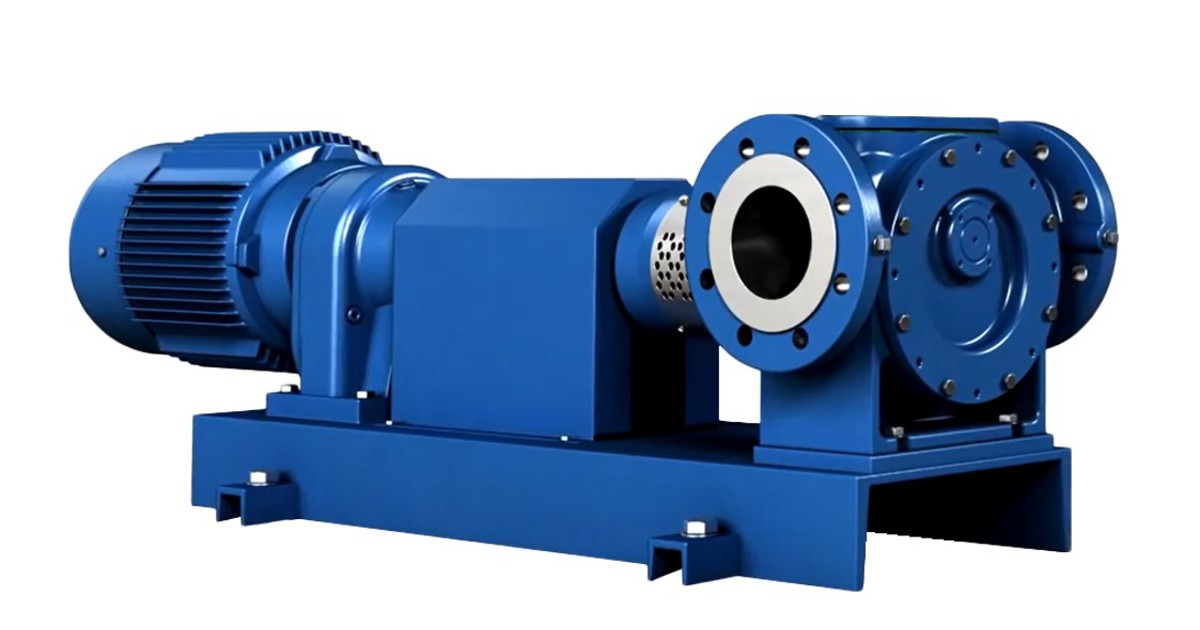 View full-size image ↗
GPE Series
Rotary gear-pump series for lubrication, chemical and transfer applications, subject to fluid compatibility.
Technical review points
Review the liquid-end construction, gear arrangement, materials, seals and installation requirements for the proposed service.
Request the performance curve or datasheet at the proposed speed, differential pressure, viscosity and temperature.
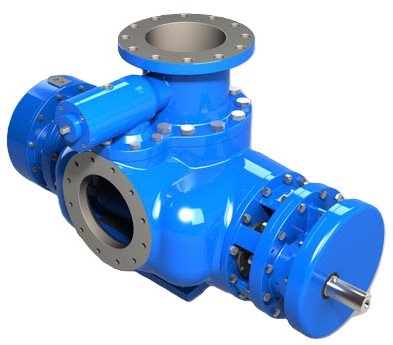 View full-size image ↗
Twin Screw Series
Twin-screw rotary positive-displacement configurations for fluid-transfer and process duties.
Technical review points
Confirm rotor arrangement, timing and bearing lubrication, fluid lubricity, gas or solids content, seals and the allowable operating envelope.
Request the performance curve or datasheet at the proposed speed, differential pressure, viscosity and temperature.
Start with the fluid.
Review the full system.
Rotary positive-displacement pumps move a volume of liquid as the rotors turn. Actual delivery depends on displacement, speed and internal slip. Clearances, fluid properties and differential pressure influence performance.
Higher viscosity can affect inlet filling, torque and drive power. A temperature change can alter viscosity, clearances and seal conditions. Review start-up as well as normal operation.
- Flow & differential pressureNormal, rated and expected operating range
- Viscosity & temperatureValues at start-up, normal and maximum conditions
- Fluid compositionLubricity, chemical compatibility, gas and solids content
- Suction systemInlet pressure, liquid level and pipework losses
- Drive & installationSpeed range, torque, power and site requirements
- Materials & protectionSeals, heating needs, pressure protection and inspection scope
Define the API 676 scope for the order.
API 676 addresses rotary positive-displacement pumps. Confirm the applicable edition, construction, deviations, materials, inspection, testing and documents against the project specification.
Confirm the supplied configuration.
A technology label or catalog image is not a statement of complete project compliance. Request the series datasheet, general arrangement, performance data and the agreed inspection and test plan.
The API standards catalog ↗ identifies API 676 as the rotary positive-displacement pump standard.
Review the catalogs.
Use the relevant product document as a starting point. Request order-specific performance and construction details from engineering.
Gear pump catalog
Review the existing gear-pump catalog. Confirm the required series, size, gear arrangement, sealing and duty data for your enquiry.
Open gear catalog · PDFScrew pump catalog
Review the existing screw-pump document, then confirm the rotor configuration, fluid suitability, speed and operating envelope.
Open screw catalog · PDF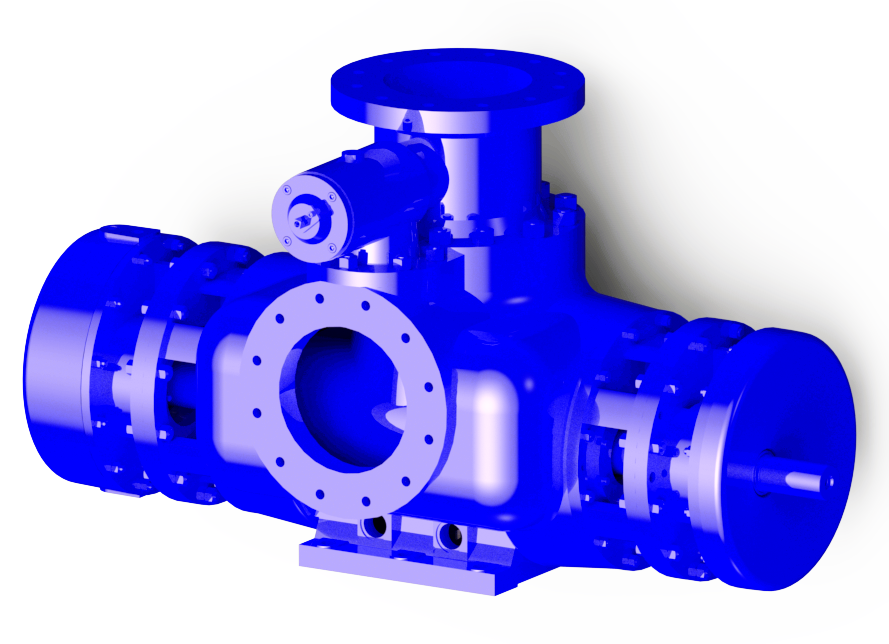
Screw-pump configuration.
A screw-pump configuration from the product images. Request the order-specific sectional drawing to review rotor support, timing, lubrication and sealing.
View full-size configuration ↗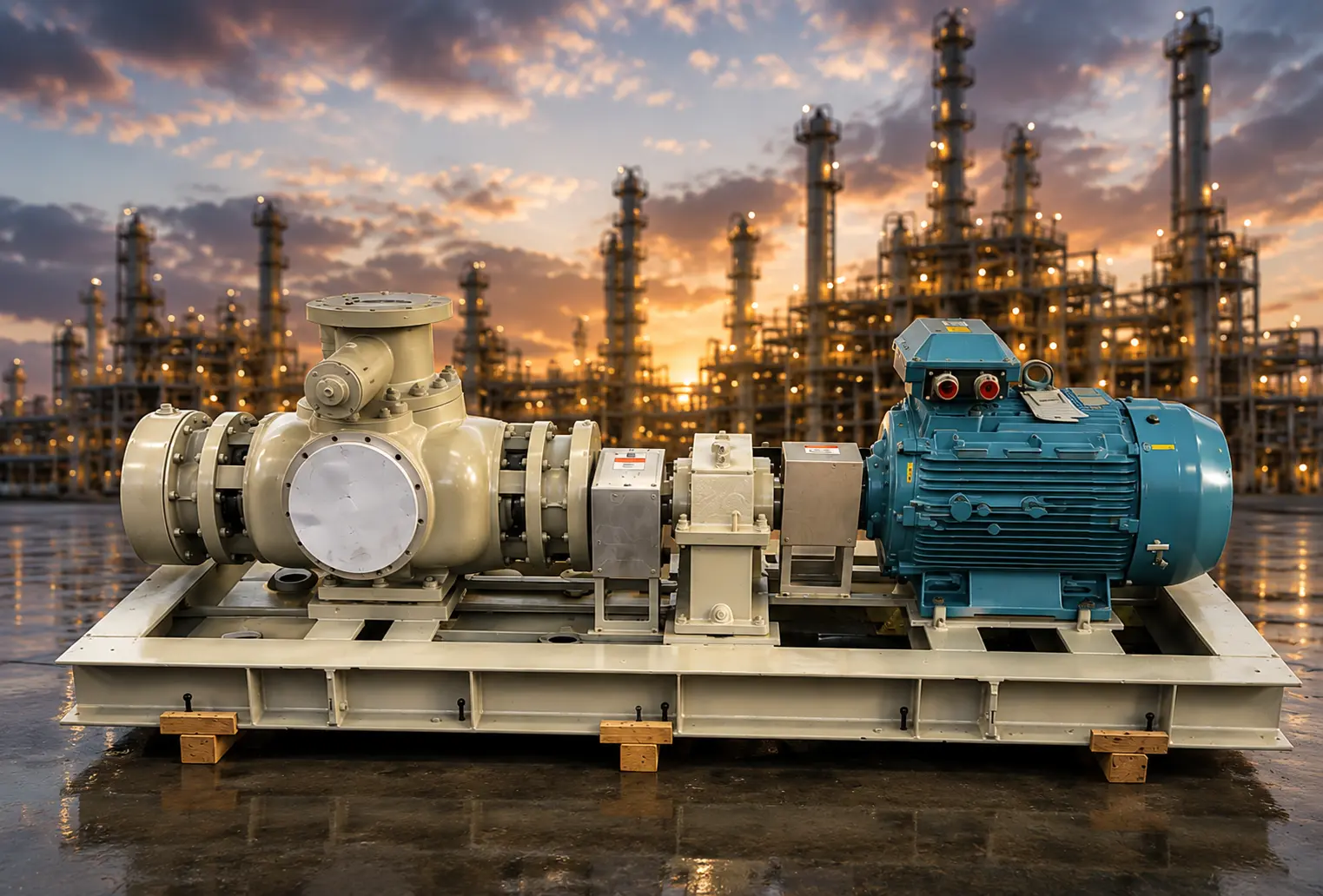
Tehran refinery service.
A screw-pump reference shown in the existing portfolio. Explore project descriptions and photo galleries for more application context.
View project references ↗Questions before selection.
Does positive displacement mean efficiency is independent of pressure?
No. The geometric displacement is linked to rotor motion, but actual flow and volumetric efficiency are affected by internal slip, clearances, fluid properties, differential pressure and speed. Use the applicable performance data for the selected duty.
Can one pump cover every viscosity?
No. Specify the viscosity at operating and start-up temperatures. The allowable range depends on the series, speed, inlet conditions, clearances, seals, torque and driver capability.
Are screw pumps automatically suitable for gas or dry running?
No. Gas handling, self-priming and dry-running limits depend on the specific rotor, bearing, seal and lubrication arrangement. Declare gas content and operating scenarios and obtain model-specific confirmation.
Is gear or screw technology always the better choice?
The choice depends on the fluid and complete duty. Compare viscosity, lubricity, required differential pressure, speed, suction conditions, materials, seals and maintenance requirements for the proposed models.
Which documents should accompany an enquiry?
Provide the fluid specification, pressure and flow range, viscosity and temperature, suction conditions and site requirements. For an existing unit, include the nameplate, model, drawings and operating history. Agree the required performance data, material records and testing documents with engineering.
Can existing equipment, spare parts or repair be reviewed?
Send the pump identification, component drawings or photographs, materials and operating conditions. Our team can review the required supply, repair or reverse-engineering scope and confirm availability and lead time.
Define your fluid-transfer duty.
Send the fluid properties, required flow and pressure, temperature range and installation details. Discuss the proposed gear or screw configuration with engineering.
Operating limits, availability, inspection and documentation are confirmed for the selected series and project.