

Slurry pumps for abrasive and high-solids duty.
Solids concentration, particle size distribution, abrasion, corrosion and the shape of the system curve all drive slurry pump selection. This guide explains what to check before choosing a pump and what data to send our engineering team.
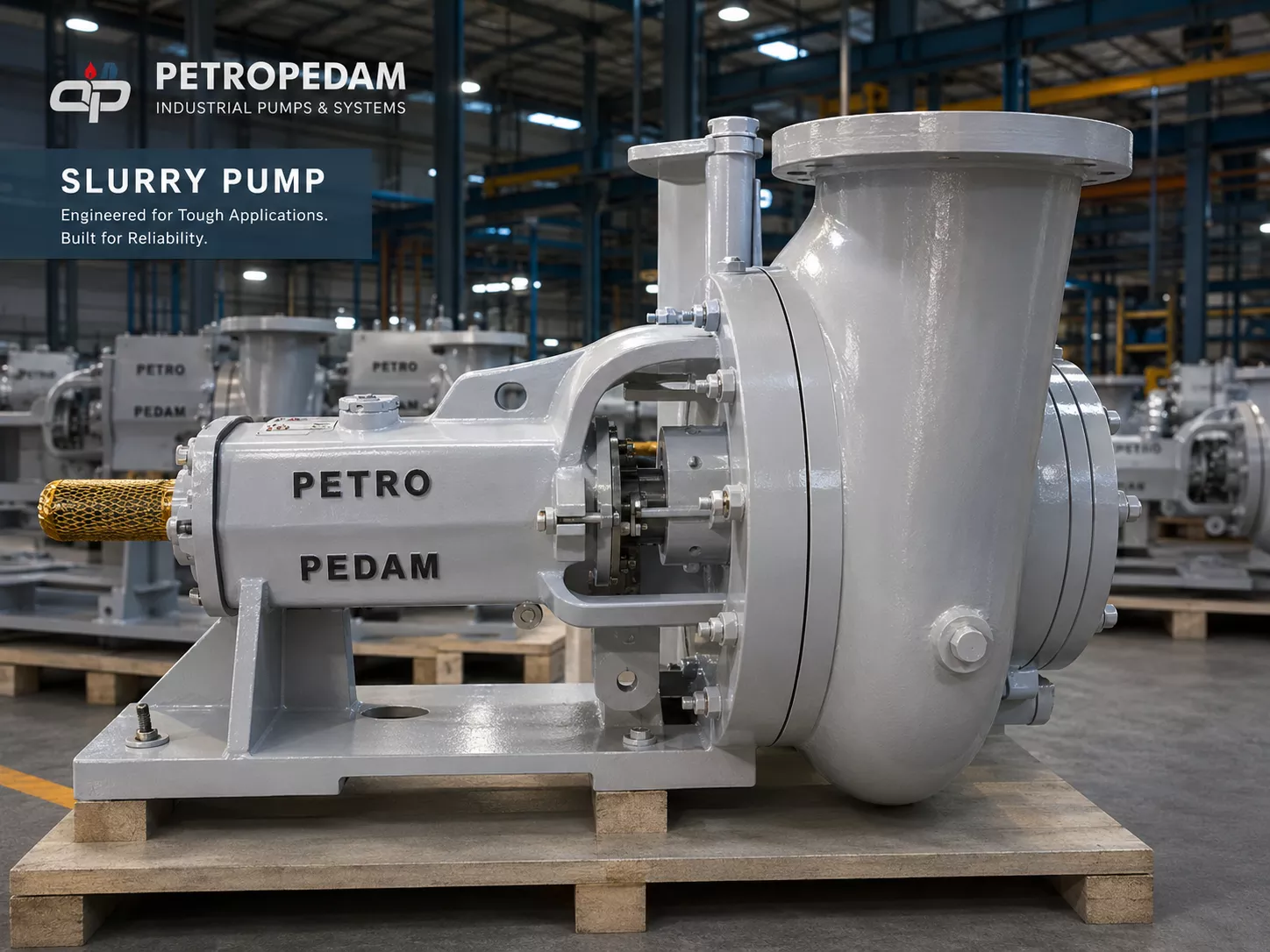
Product photograph supplied by Petropedam. It illustrates construction, not a specific delivered project.
Why slurry service changes the selection process
A slurry is a liquid carrying solid particles. Unlike clean-water duty, its properties can shift with concentration and operating conditions. That means the hydraulic selection, the wear strategy and the maintenance arrangement have to be considered together — not solved one at a time.
Solids concentration
Whether concentration is given by weight or by volume, it changes mixture density, absorbed power and the correction applied to the clean-water head. A pump that is fine on water can be under-powered on slurry.
Particle size and abrasion
The maximum particle size sets the minimum passage through the impeller and casing. Abrasiveness, particle shape and hardness determine how quickly the wetted parts wear and which materials are worth considering.
System curve and duty point
The duty point is where the pump curve meets the system curve. On slurry, both need review: the system curve shifts with solids loading, and the pump curve must be corrected for the slurry. Guessing from a single clean-water flow number is not enough.
What to send for a useful pump recommendation
The more accurate the inputs, the more meaningful the recommendation. Include the normal duty point and credible minimum and maximum conditions, not just a single nominal number.
- Flow and head: normal, minimum and maximum flow and head; pipework layout, elevation data and required duty range.
- System and suction: static lift, suction arrangement, available NPSH and any restrictions across the operating range.
- Mixture: mixture density, solids concentration stated as a percentage by weight or by volume, and the basis used.
- Particles: particle size distribution and the maximum particle size expected in normal and upset conditions.
- Fluid chemistry: temperature, pH, salinity or other chemical constituents that affect corrosion.
- Operation: continuous or intermittent duty, expected operating hours, speed control method.
- Sealing: seal water availability, seal type preference, and any environmental or maintenance constraints.
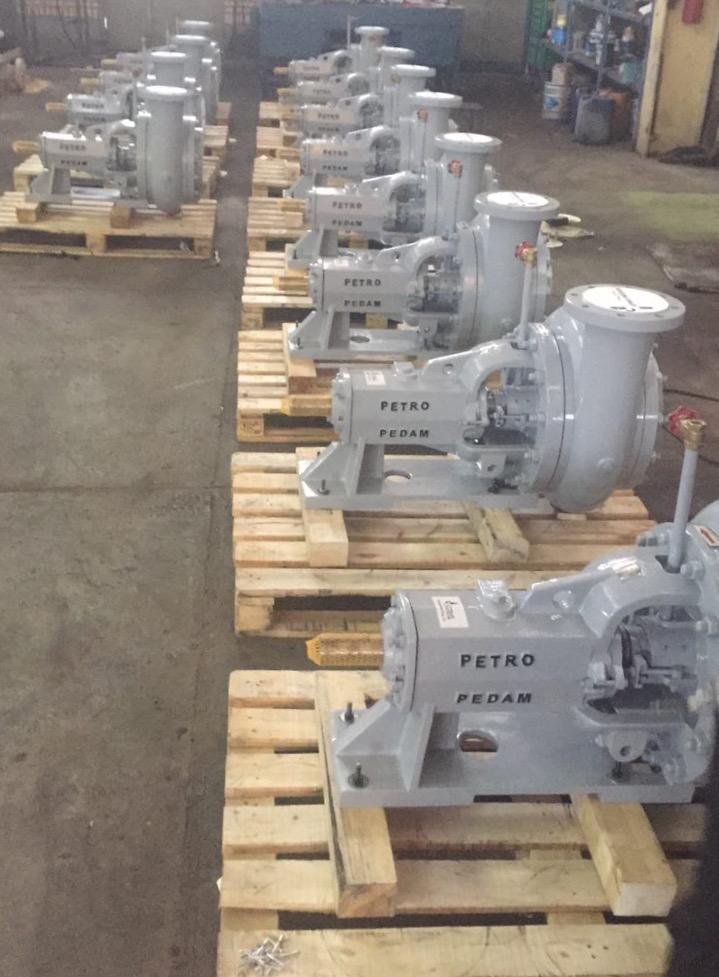
Workshop photograph of a Petropedam slurry pump assembly, supplied by the company.
The duty point belongs on a verified performance curve
Compare the required duty point against the tested curve at the specified speed and impeller diameter. Check efficiency, absorbed power, motor margin and the manufacturer's NPSH data over the expected operating range — not only at a single point.
Conceptual illustration — not measured pump performance data. Axes have no numeric scale and these lines are not product performance curves. Request the matching certified curve and confirm the slurry correction method with Petropedam engineering.
Explore construction and material options
The images below show the three slurry pump types available from Petropedam. Final material and sealing choices depend on your fluid, solids and service conditions — not on the appearance of the photographs.
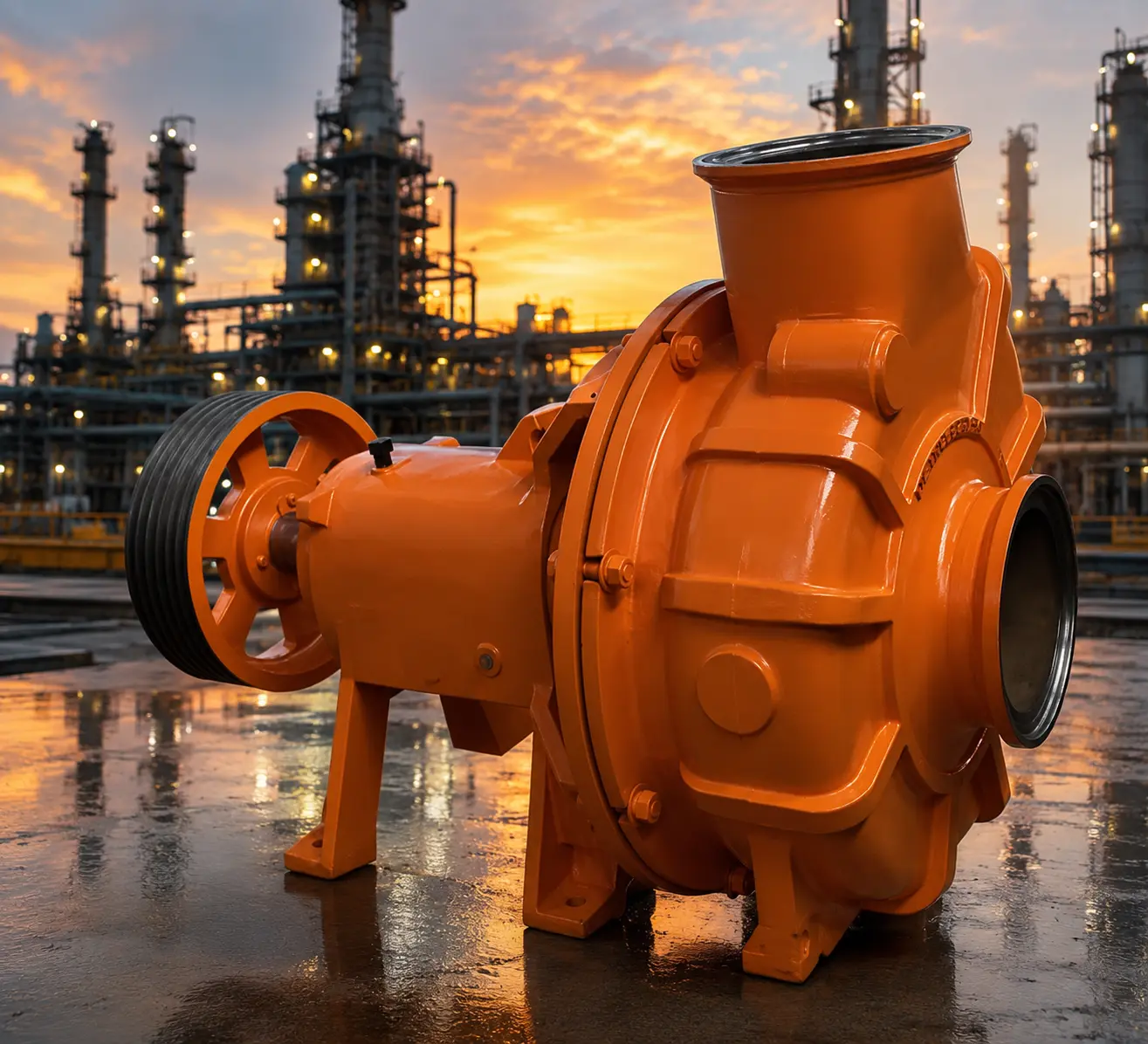
Hard-Material Slurry Pump
Intended for coarse or highly abrasive solids. The wear material must be confirmed against the actual particle size, shape and loading, since the photograph alone cannot establish which alloy or grade is suitable for a given duty.
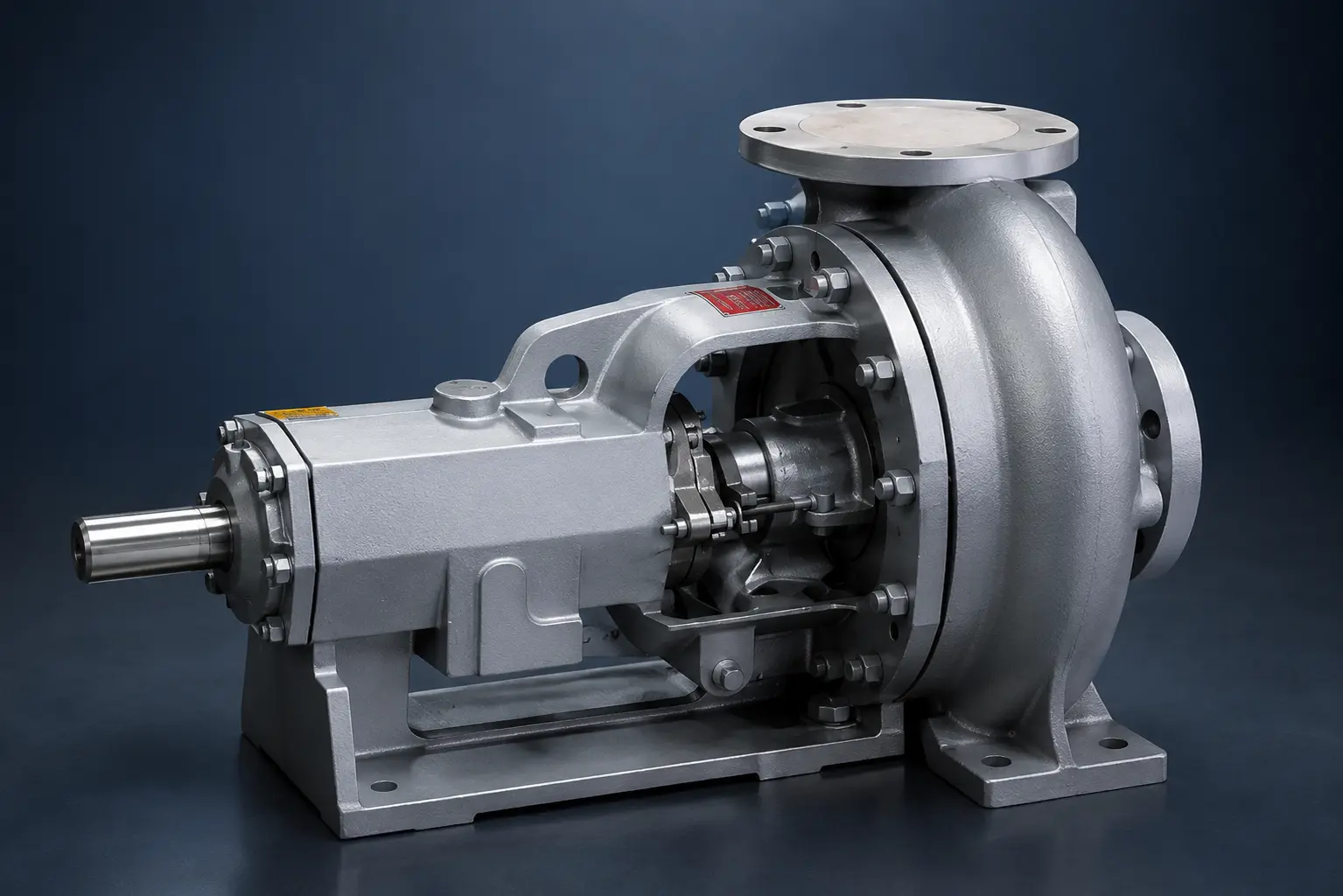
Nodular Iron Slurry Pump
Construction material is selected for the liquid chemistry, solids and operating conditions. Suitability for corrosive or highly abrasive service must be confirmed case by case — general corrosion-resistance claims are not made here.
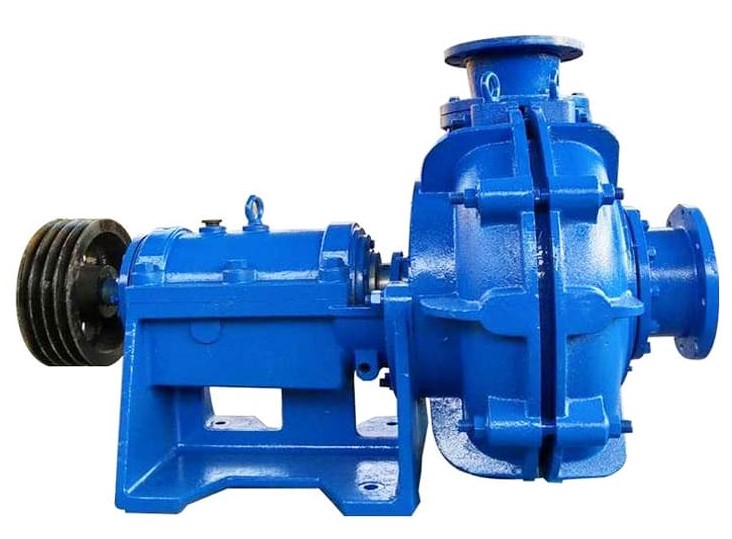
Rubber-Lined Slurry Pump
Liner compound and thickness are chosen against particle size, abrasion, temperature and chemical compatibility. Rubber liners are not automatically longer-lasting for every slurry; selection is application-specific.
What guides the choice of wetted materials and seals
Material and sealing selection is a set of trade-offs, not a fixed table. The questions below should be answered together before any grade or arrangement is chosen.
Abrasion and particle size
How hard and how angular are the particles? What is the maximum size and the size distribution? These determine passage dimensions, impeller geometry and whether a hard-alloy or lined construction is the more sensible starting point.
Corrosion and chemistry
What is the pH, salinity or chemical composition of the carrier liquid? Corrosion can dictate the material more strongly than abrasion, especially in mineral processing and chemical slurries.
Maintenance access
How quickly must wear parts be replaceable on site? Lined and split-casing arrangements trade initial cost against access time. The right answer depends on duty and shutdown windows.
Sealing arrangement
Is seal water available and reliable? Gland packing, expeller and mechanical seals each have different demands. The choice affects water consumption, downtime and contamination risk.
Solids loading in normal and upset conditions
Design for more than the average. Startup, upset or cleaning cycles can push concentration and particle size beyond normal values. Those cases shape the wear strategy.
Operating hours and duty cycle
Continuous heavy duty and intermittent service place different demands on materials. The selection should be justified against the expected annual operating profile.
From process data to a defensible selection
Define the duty
Document the complete system curve, suction levels and the full range of slurry properties you expect — not just the design point.
Compare candidates
Review certified curves at the required speed and impeller diameter; confirm wear materials, seals and power demand against the process data.
Confirm the installation
Check NPSH margin, piping layout, maintenance access and any project-specific testing or documentation required by the specification.
Equipment and project imagery
Actual equipment photographs are labelled separately from a conceptual illustration. Do not read technical specifications from any photograph.
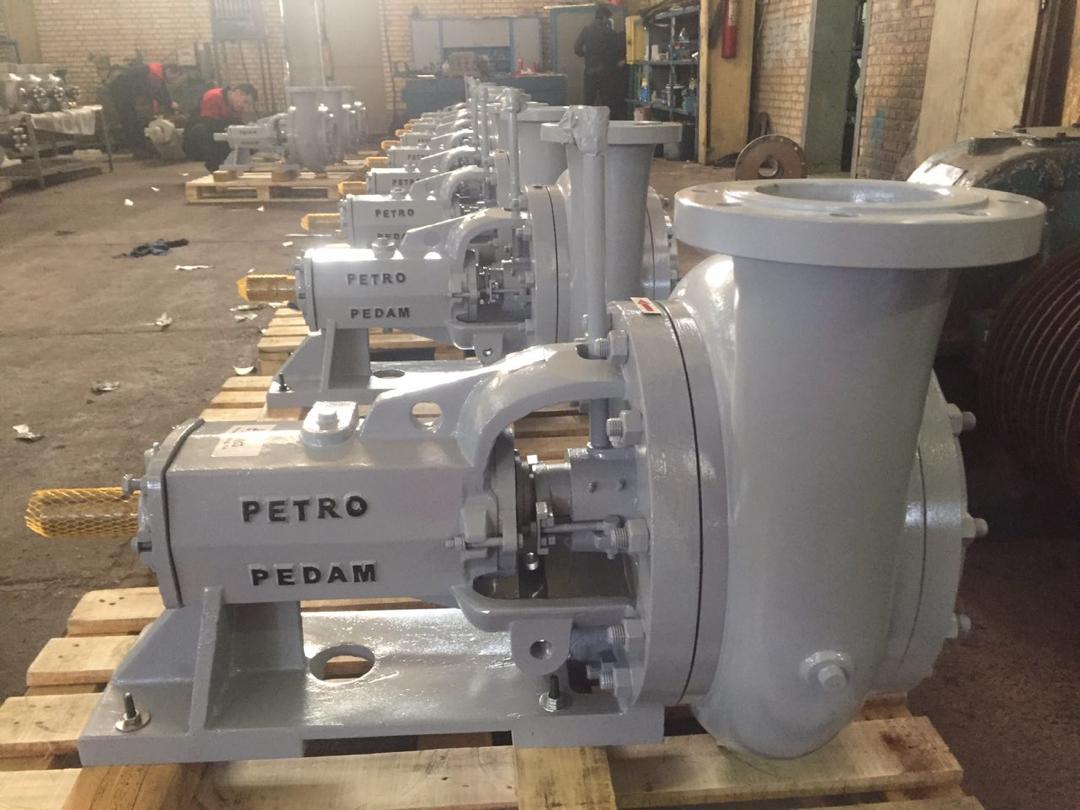
Factory view of slurry equipment.
Slurry pump assembly view.
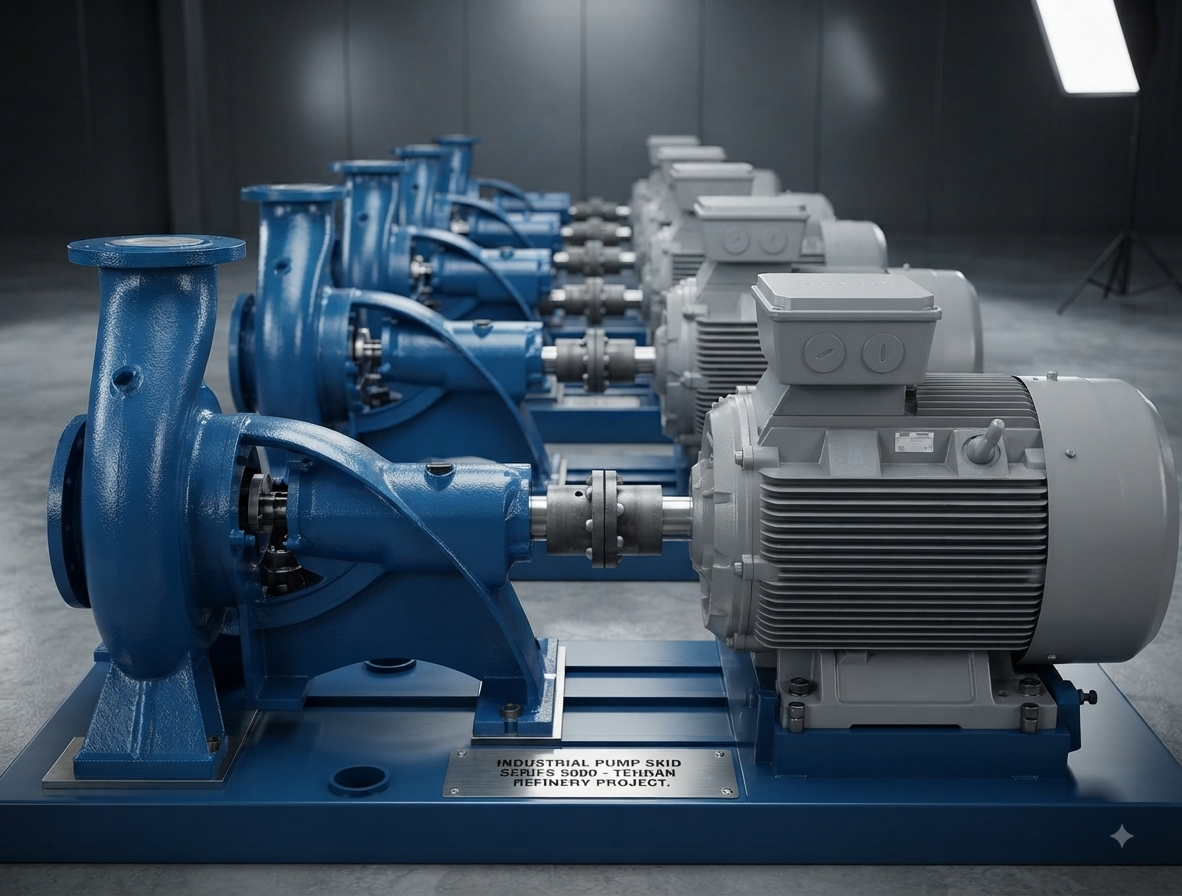
AI-generated installation visual. Not evidence of a delivered project.
Slurry pump selection, in plain language
Can I select a slurry pump using a clean-water curve?
A clean-water test curve can be a starting reference, but the actual slurry may change pump performance. Obtain the manufacturer's applicable correction method and review it against your solids and operating conditions.
Which slurry properties matter most?
Solids concentration (by weight or volume), particle size distribution, maximum particle size, mixture density, temperature, abrasiveness and chemistry all matter. The required level of detail depends on the application.
Does a larger motor solve an incorrect pump selection?
No. Motor power addresses only one limit. Check the hydraulic operating point, available NPSH, wear, sealing and mechanical limits as a system before changing the drive size.
How do I request a performance chart?
Send the duty point, operating range, slurry characteristics and installation details. The engineering team can then identify the relevant pump configuration and the performance documentation that matches it.
Bring us your slurry duty.
Share your flow, head, solids data and site conditions. We will review the application and the documents needed for a responsible equipment recommendation.