


Petropedam · Industrial Pumps
Centrifugal, reciprocating, submersible, gear, screw, slurry, and fire pumps engineered for oil & gas, petrochemical, power, water, and mining applications.
Centrifugal Pumps
13 modelsProcess Centrifugal Pumps
API 610 process centrifugal pumps for petroleum, petrochemical, power generation and water transmission service. Horizontal and vertical configurations available; each order is specified to its project datasheet.
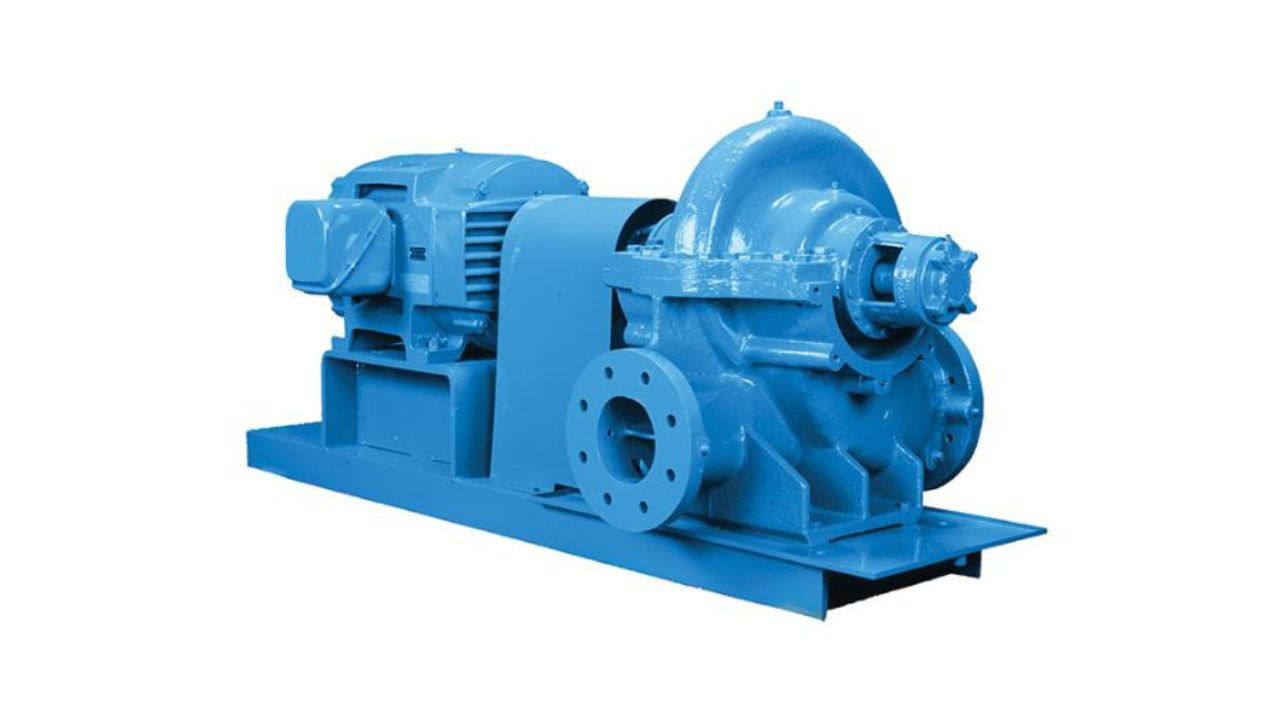
Double-volute BB1
Single-stage between-bearings centrifugal pump per API 610.
Explore centrifugal →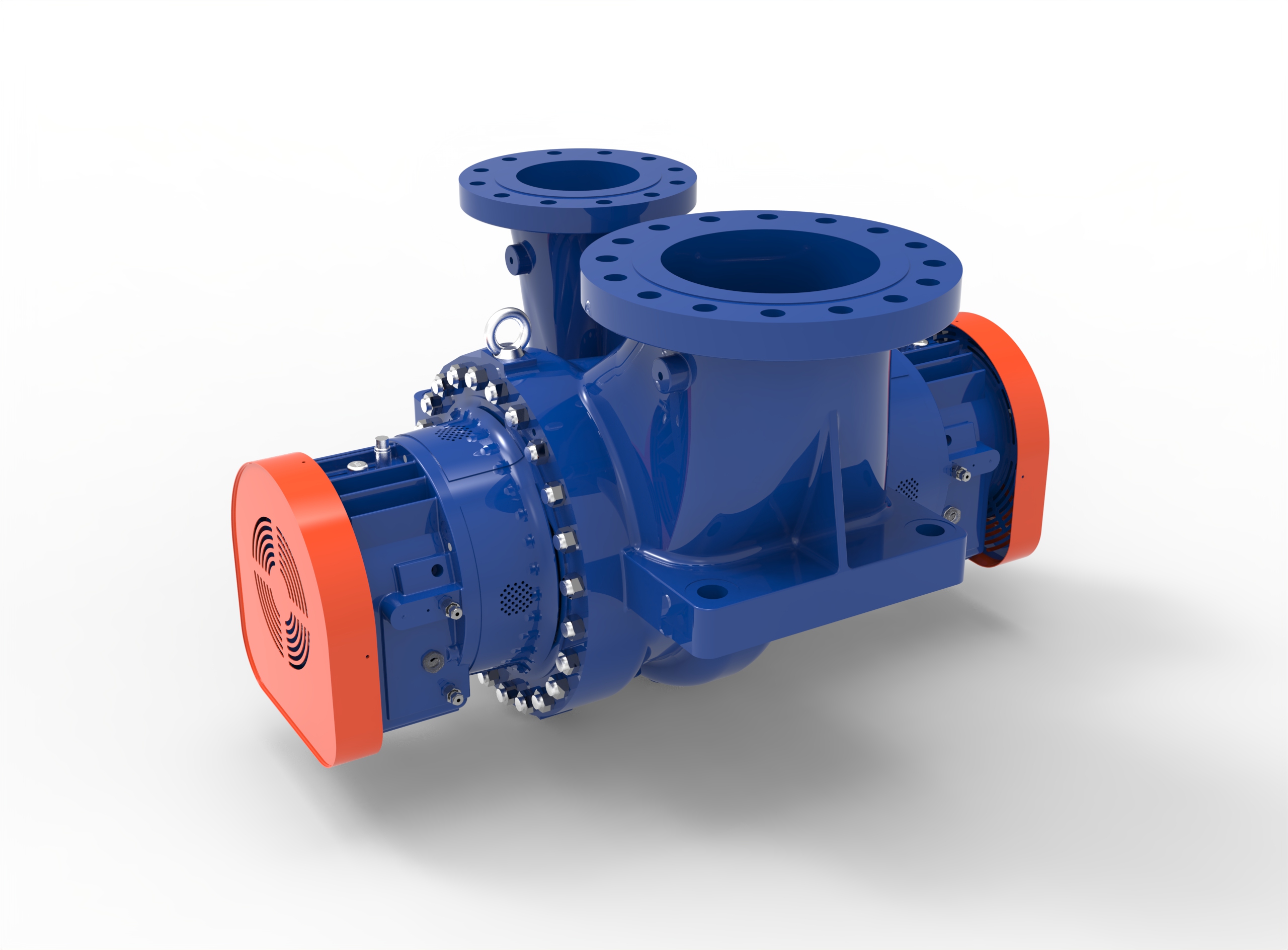
BB2
Two-stage between-bearings centrifugal pump.
Explore centrifugal →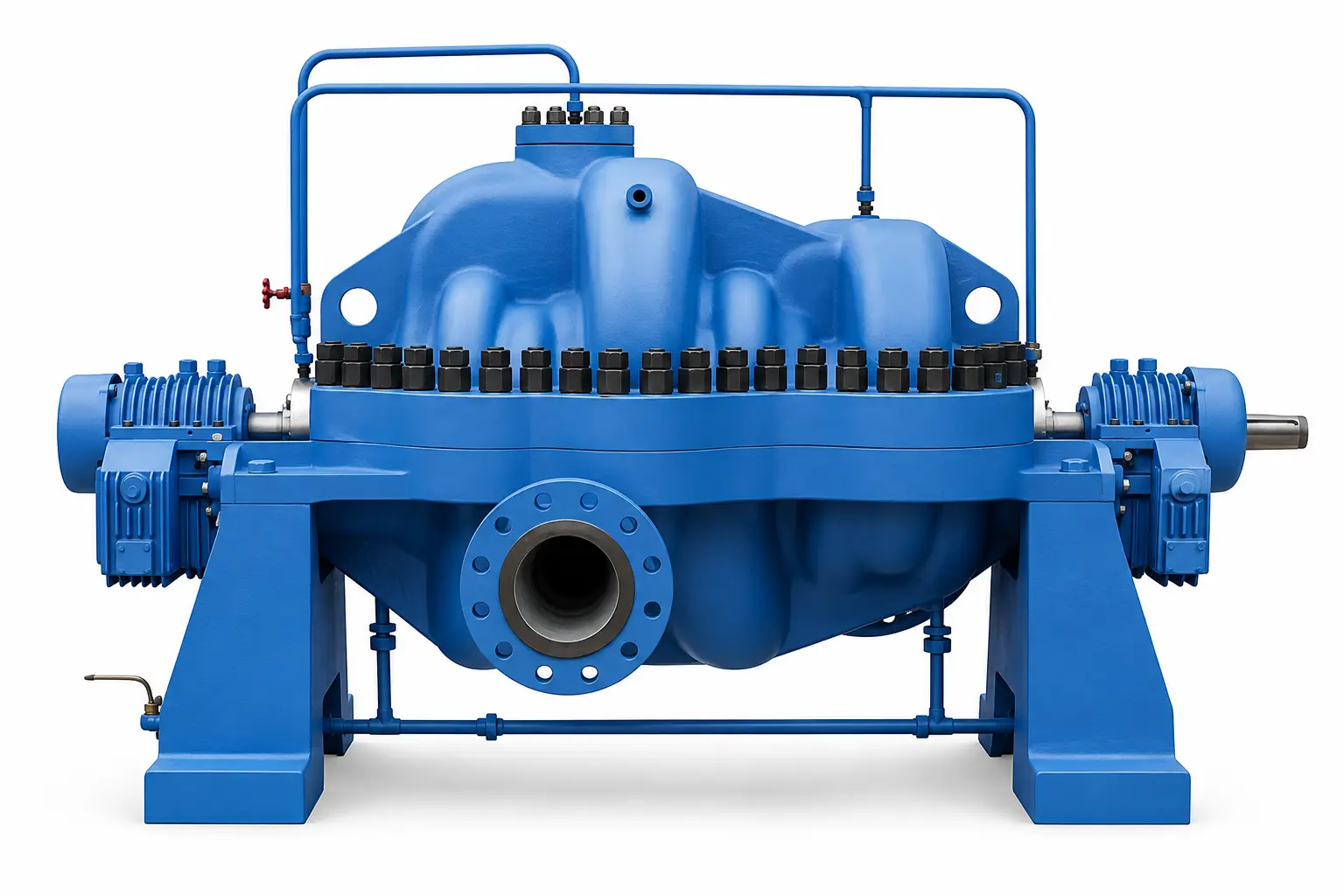
BB3
Multi-stage between-bearings centrifugal pump.
Explore centrifugal →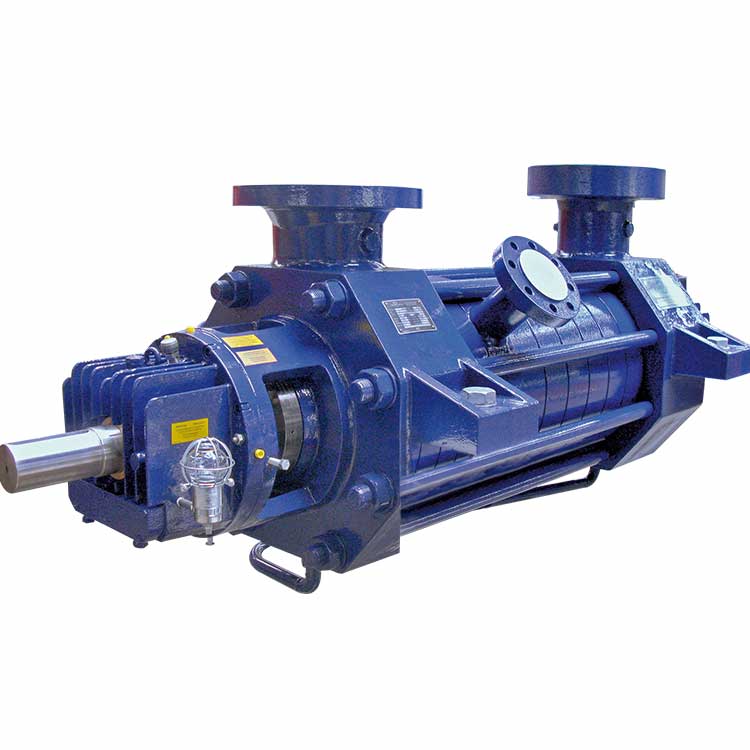
BB4
Double-casing between-bearings centrifugal pump.
Explore centrifugal →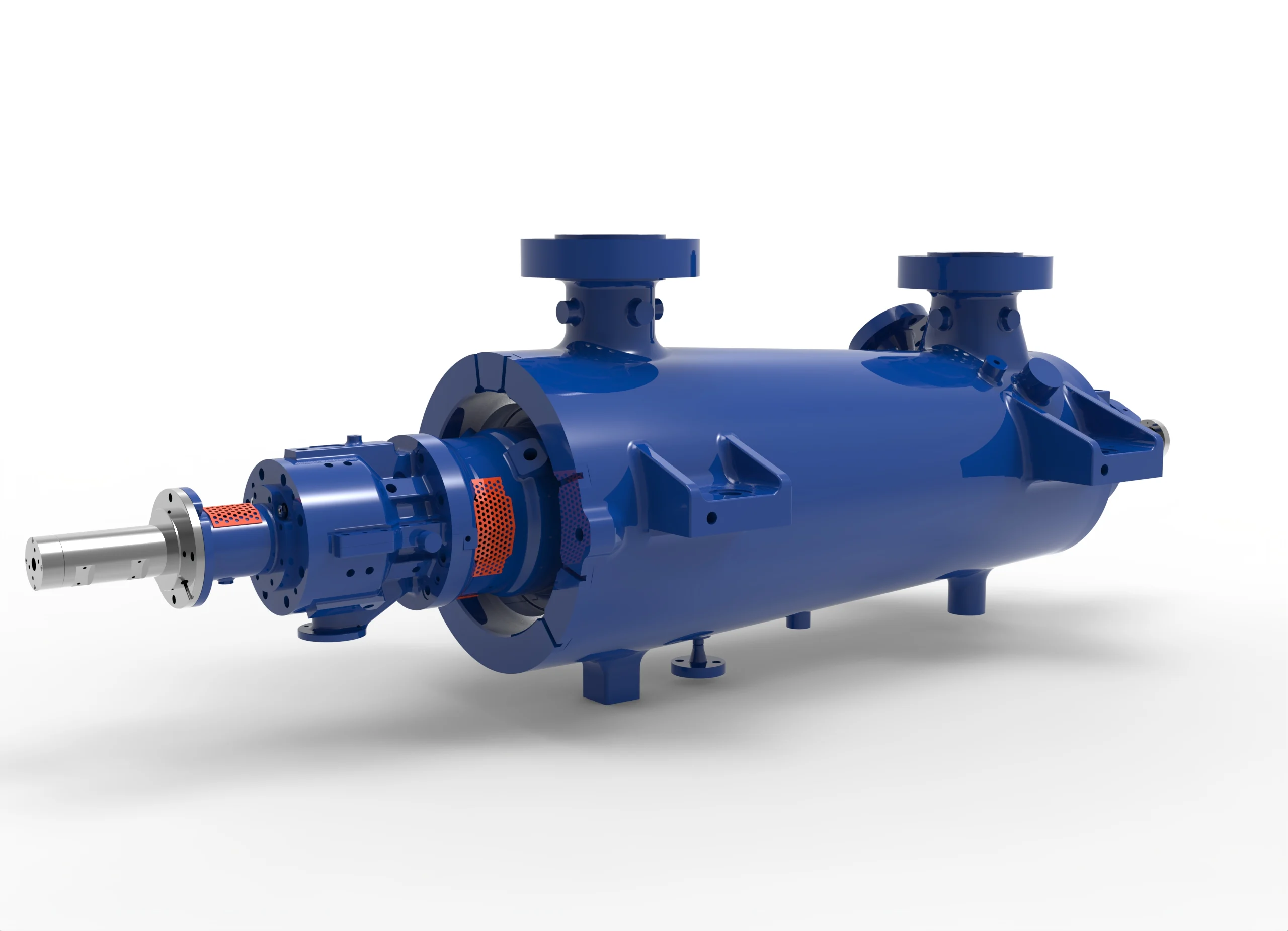
BB5
Barrel-casing between-bearings pump.
Explore centrifugal →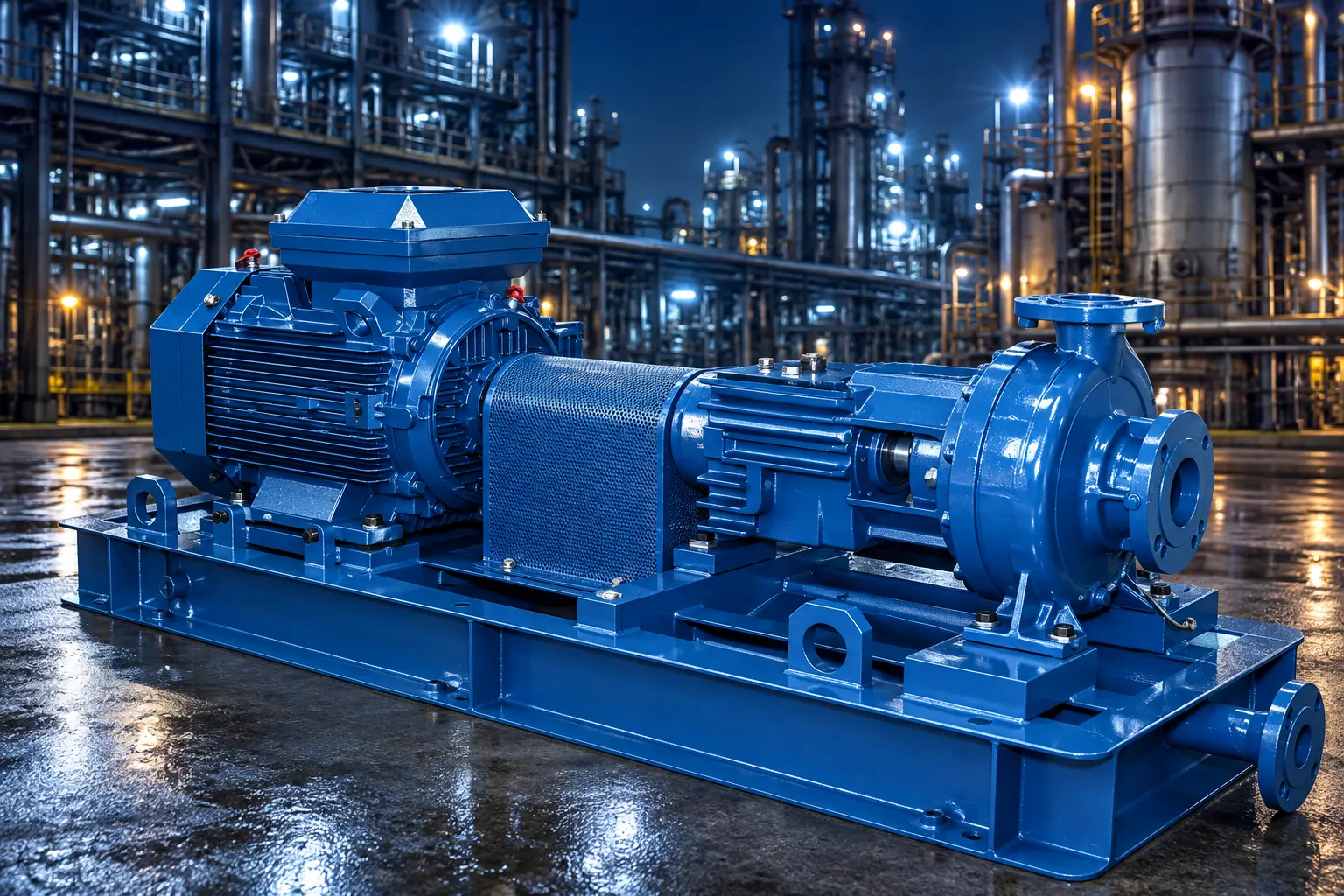
OH1
Horizontal end-suction pedestal pump.
Explore centrifugal →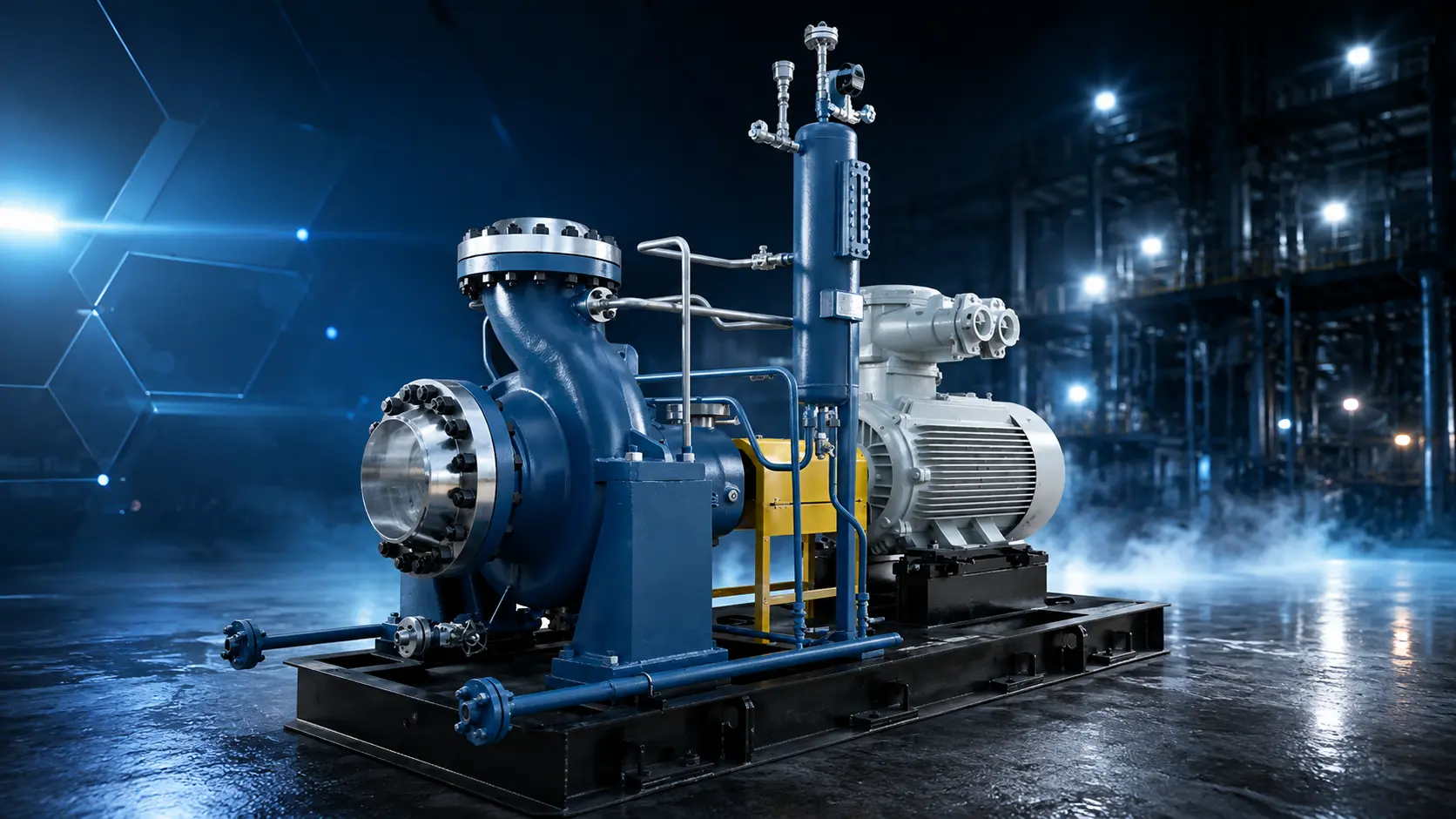
OH2
Horizontal end-suction pump (footless).
Explore centrifugal →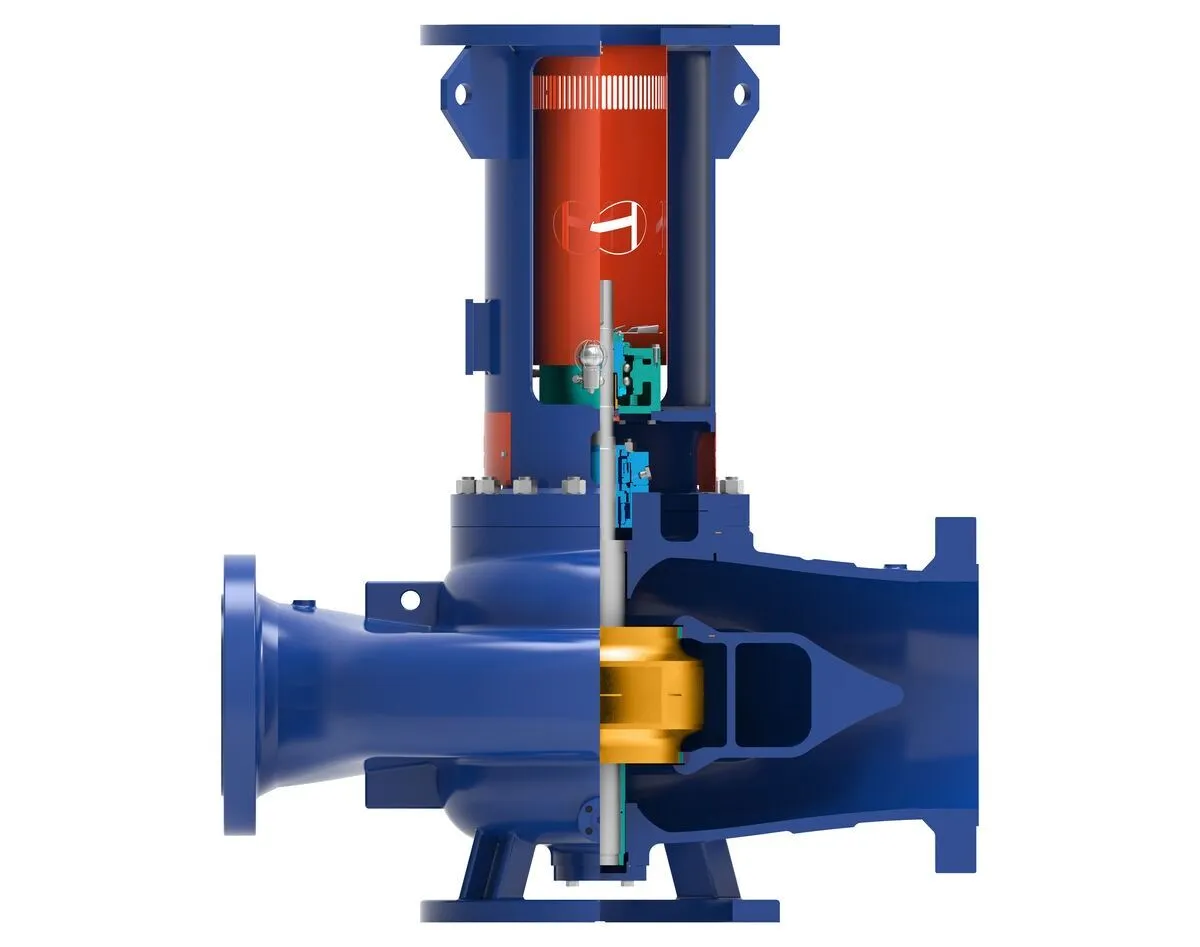
OH3
Vertical inline centrifugal pump.
Explore centrifugal →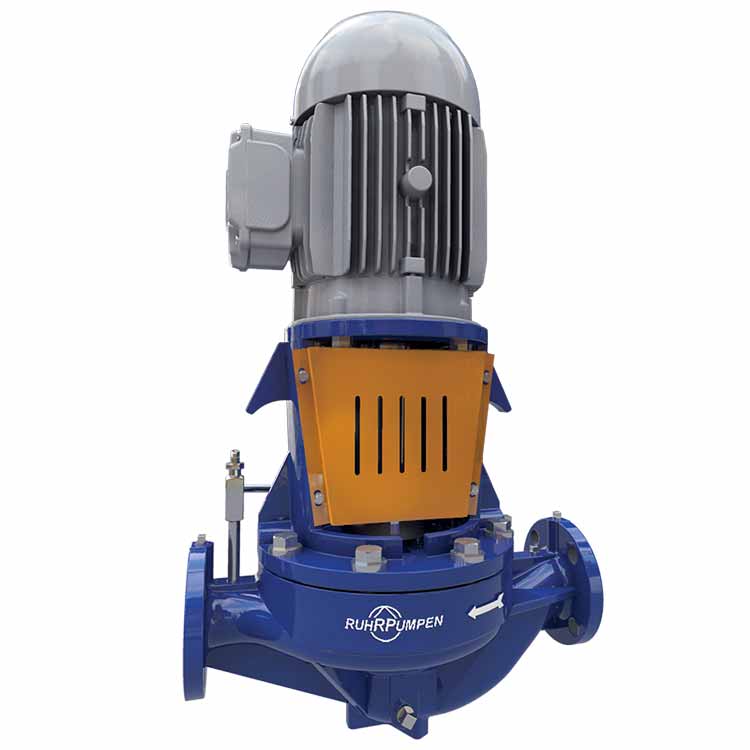
OH4
Magnetic-drive centrifugal pump.
Explore centrifugal →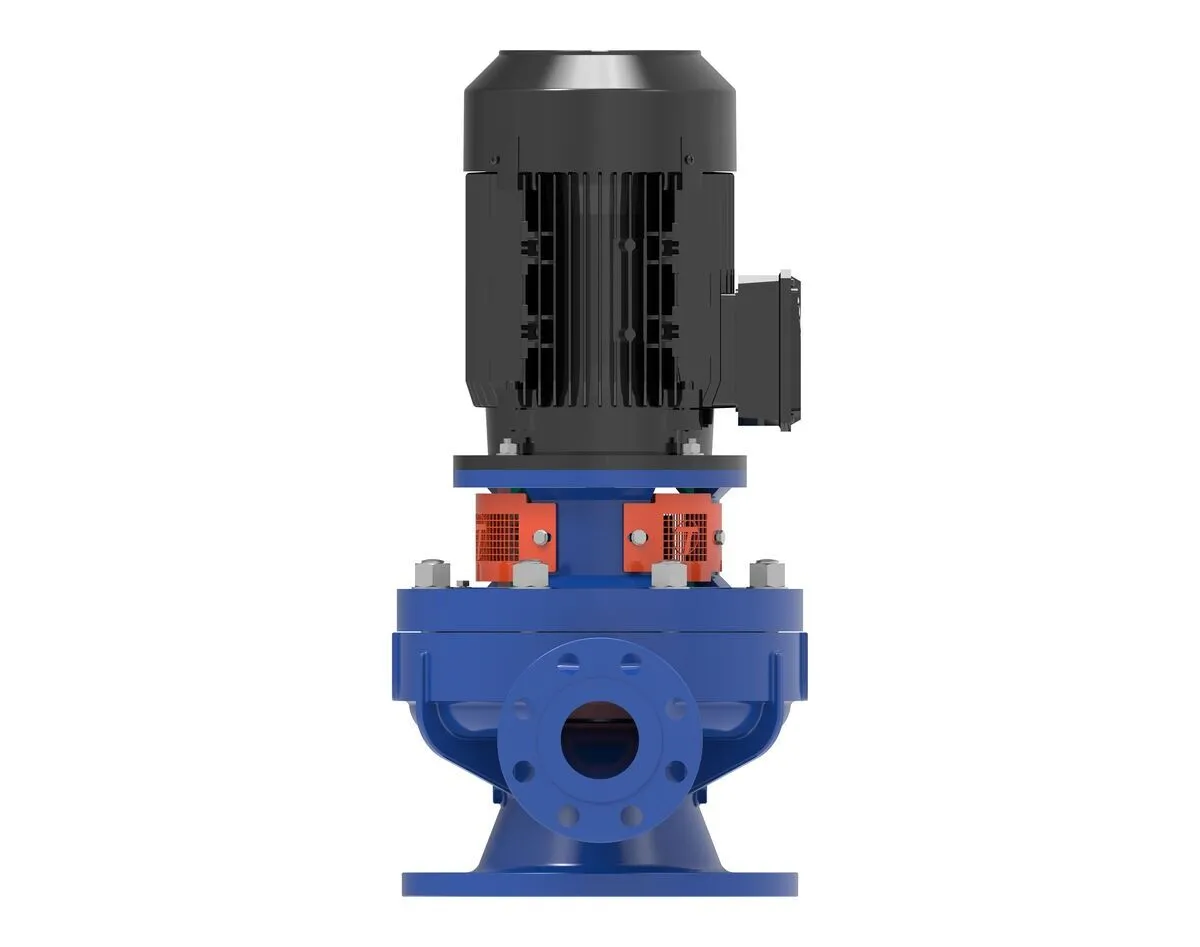
OH5
Vertical motor-driven submerged pump.
Explore centrifugal →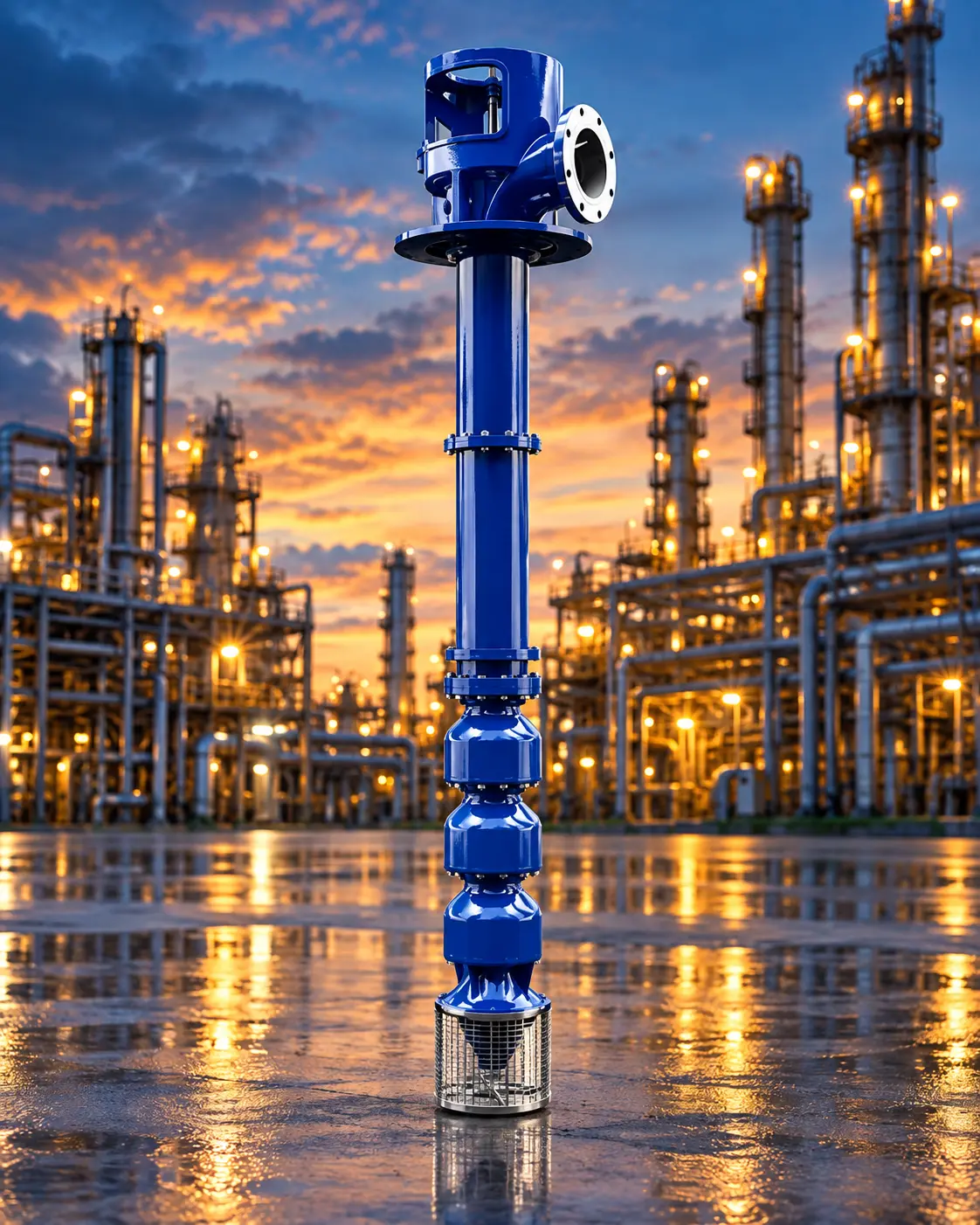
VS1
Vertical multistage column pump.
Explore centrifugal →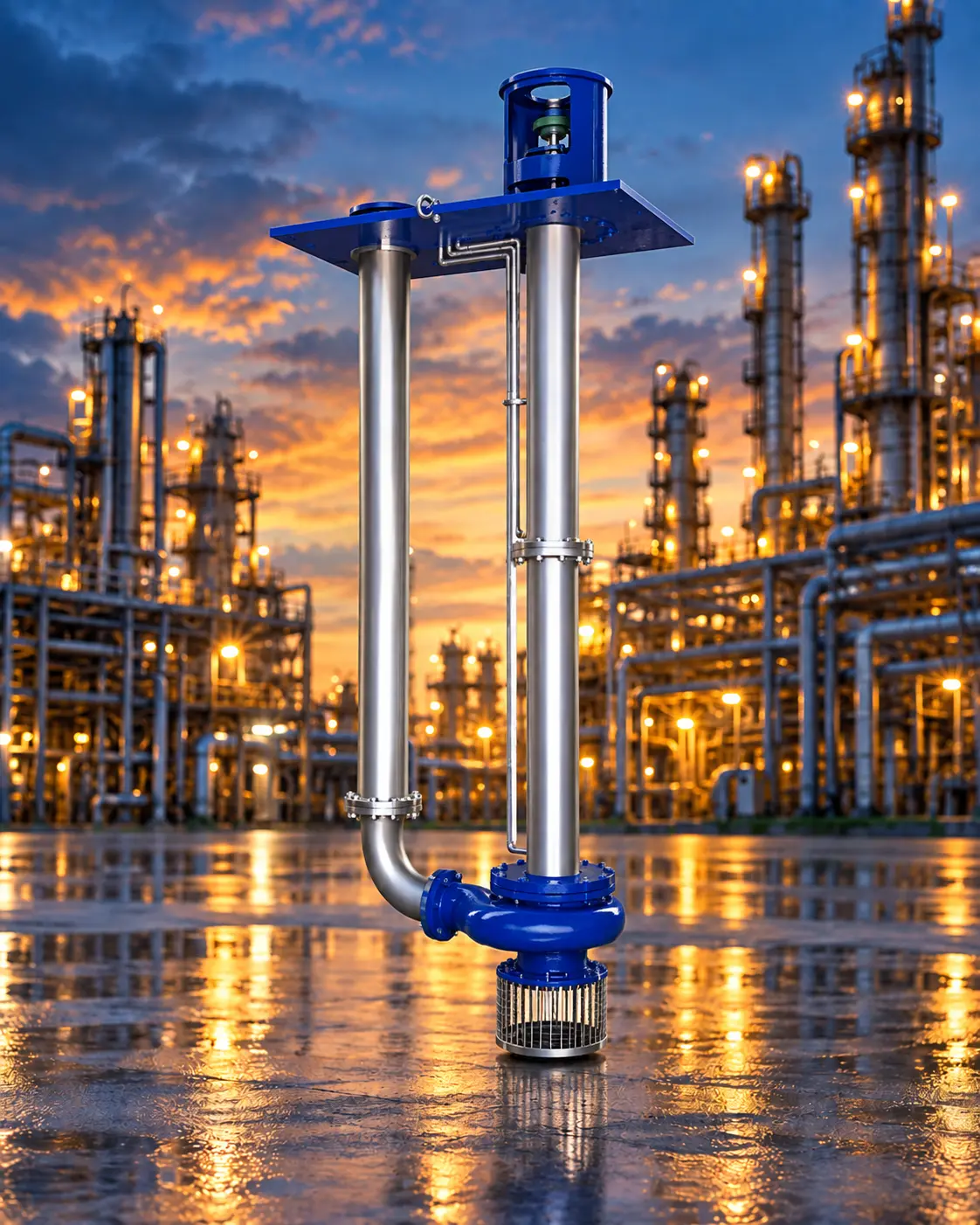
VS4
Vertical submerged-casing pump.
Explore centrifugal →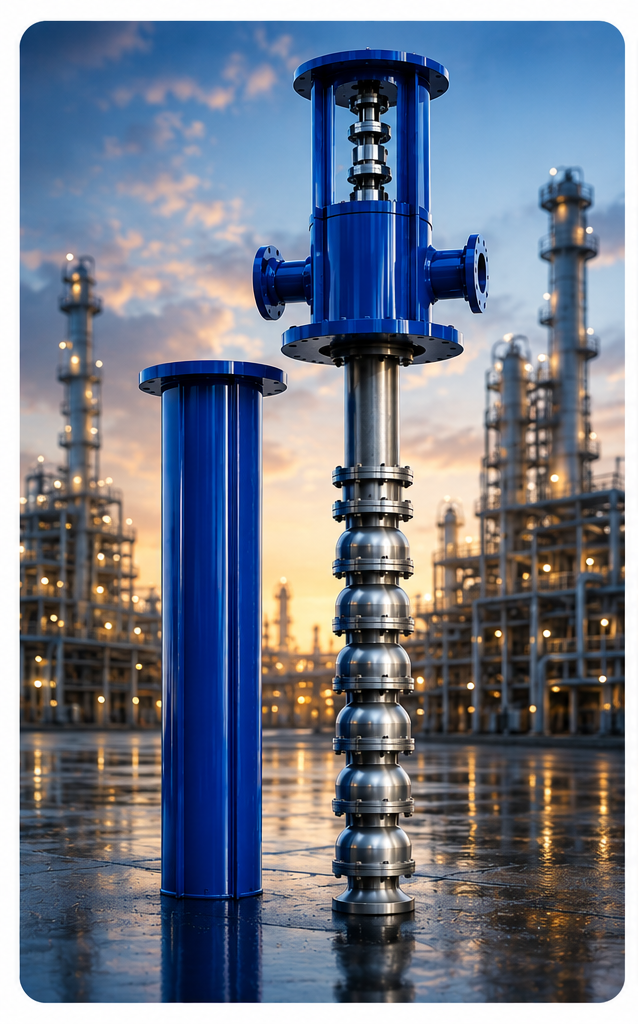
VS6
Vertical discharge pump.
Explore centrifugal →Reciprocating Pumps
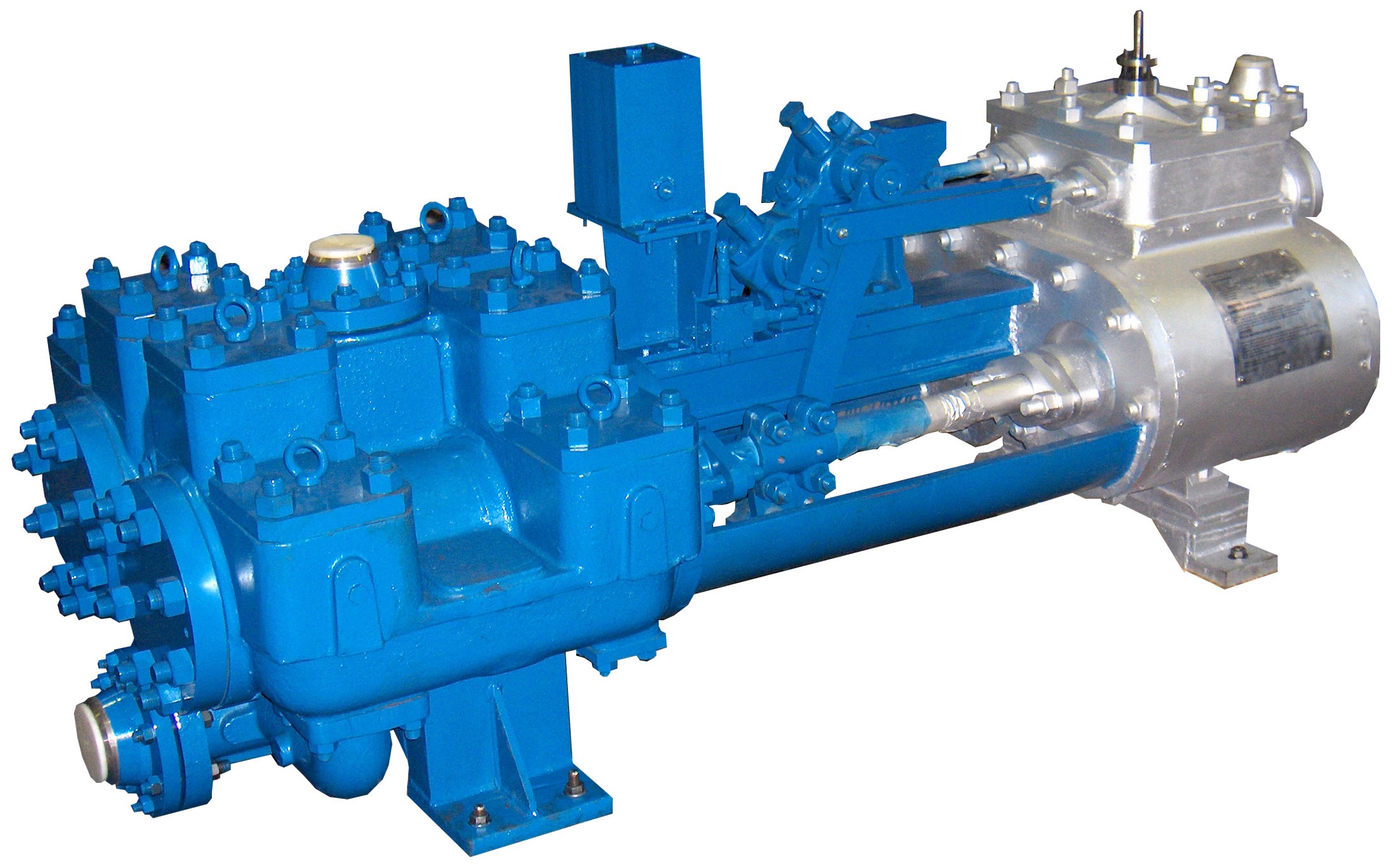
10 models + 2 project referencesSteam-Driven Reciprocating Pumps
Steam-driven reciprocating pumps use steam as the prime mover and are typically chosen for remote or unpowered sites handling viscous petroleum products. Design and manufacturing are aligned with the project's applicable API 674 requirements.
High-Pressure Reciprocating Piston Pumps
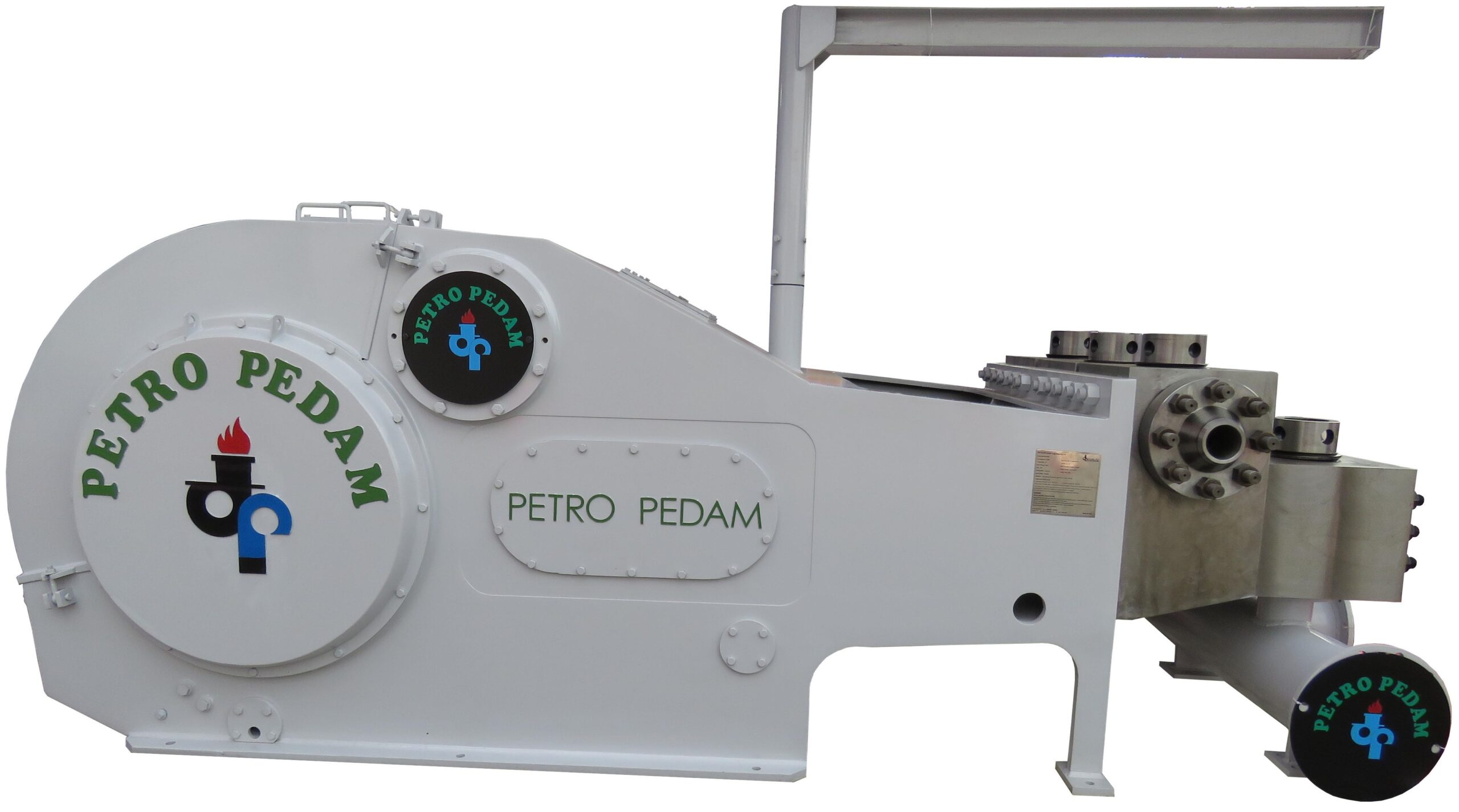
Reciprocating piston mud pumps used in drilling service. Available in 750, 1000, 1300 and 1600 HP classes. Each unit is engineered against the project's datasheet and applicable API requirements.
TH 1600 Triplex Pump
High-pressure triplex pump for drilling service.
Explore reciprocating →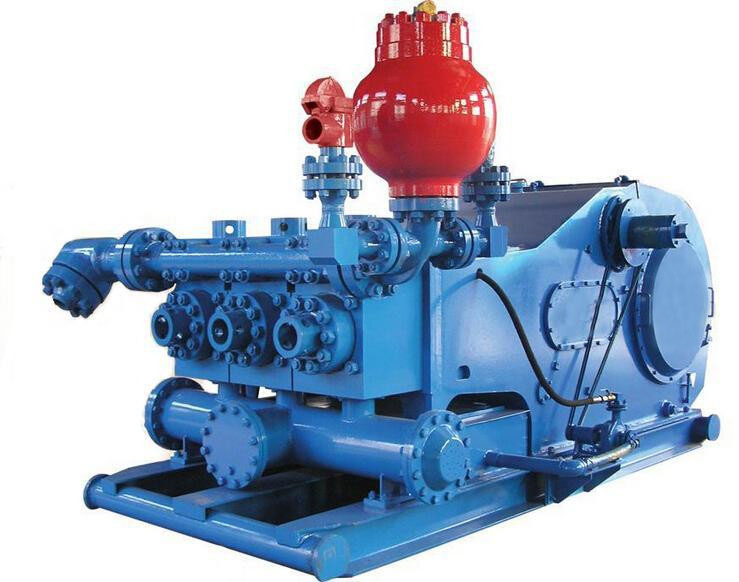
F1600 Triplex Pump
Triplex plunger pump for high-pressure well service.
Explore reciprocating →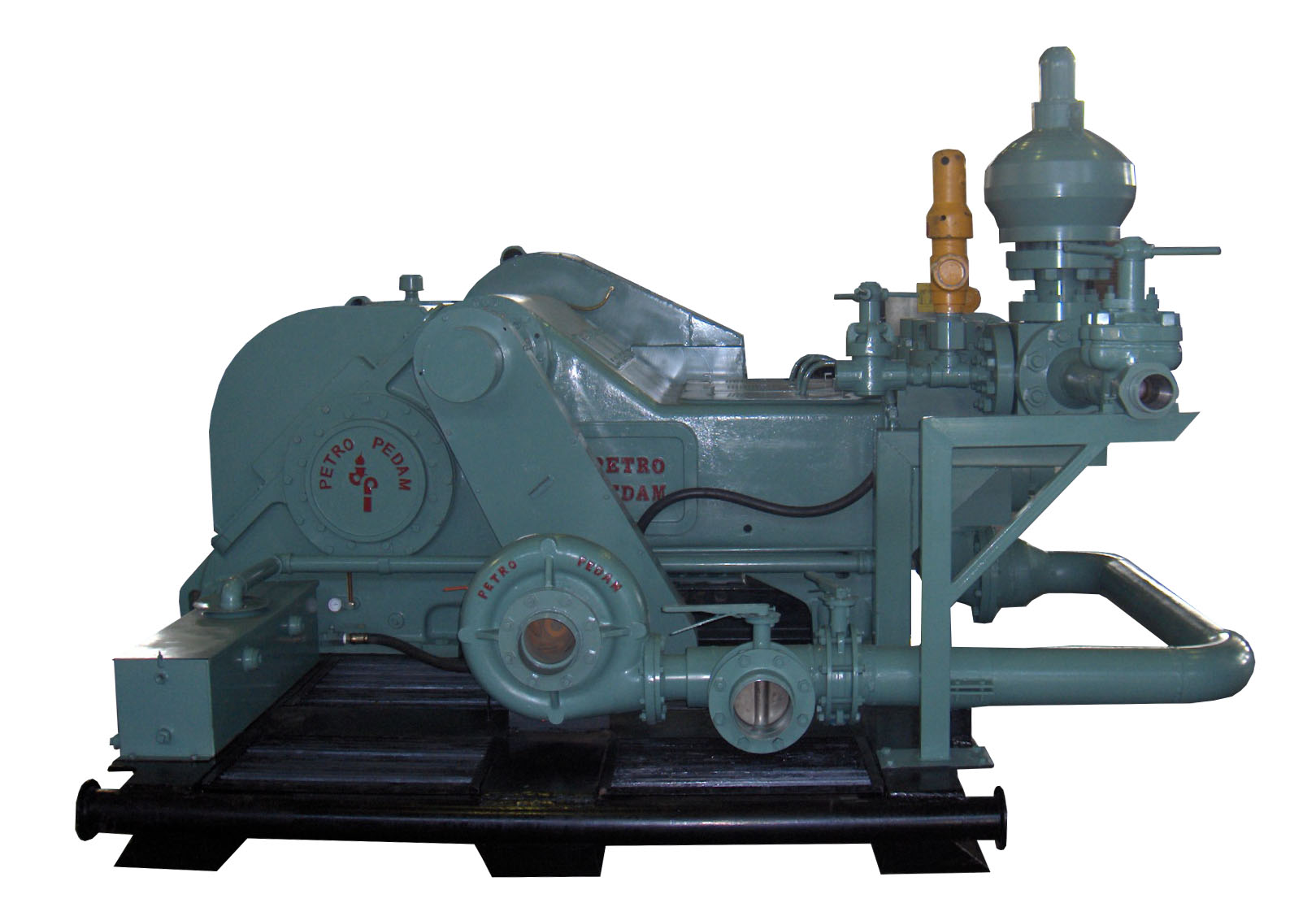
Plunger-Type Reciprocating Pump
Plunger-type reciprocating pump for high-pressure service.
Explore reciprocating →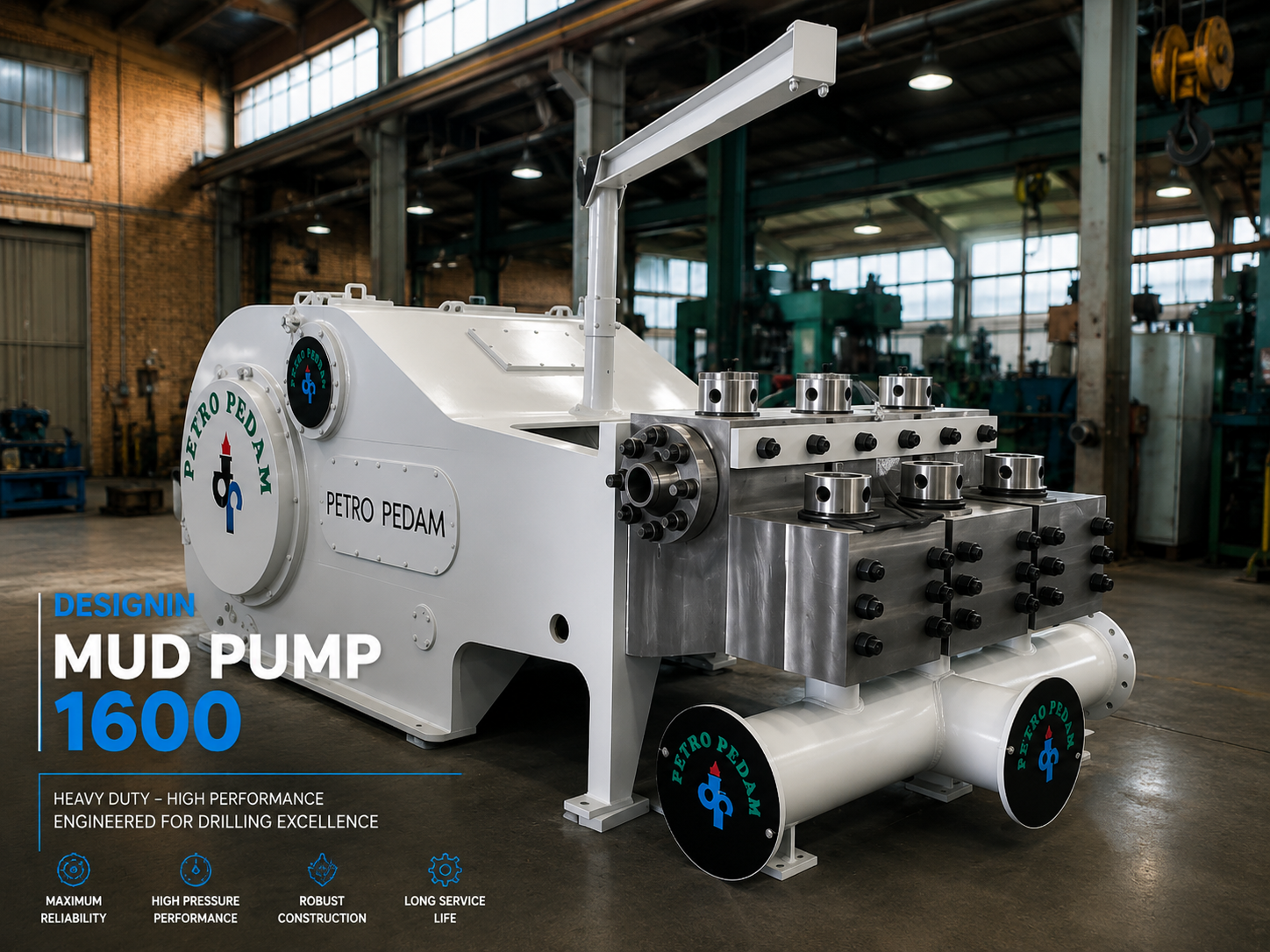
1600 HP Mud Pump
High-pressure reciprocating mud pump for drilling service.
Explore reciprocating →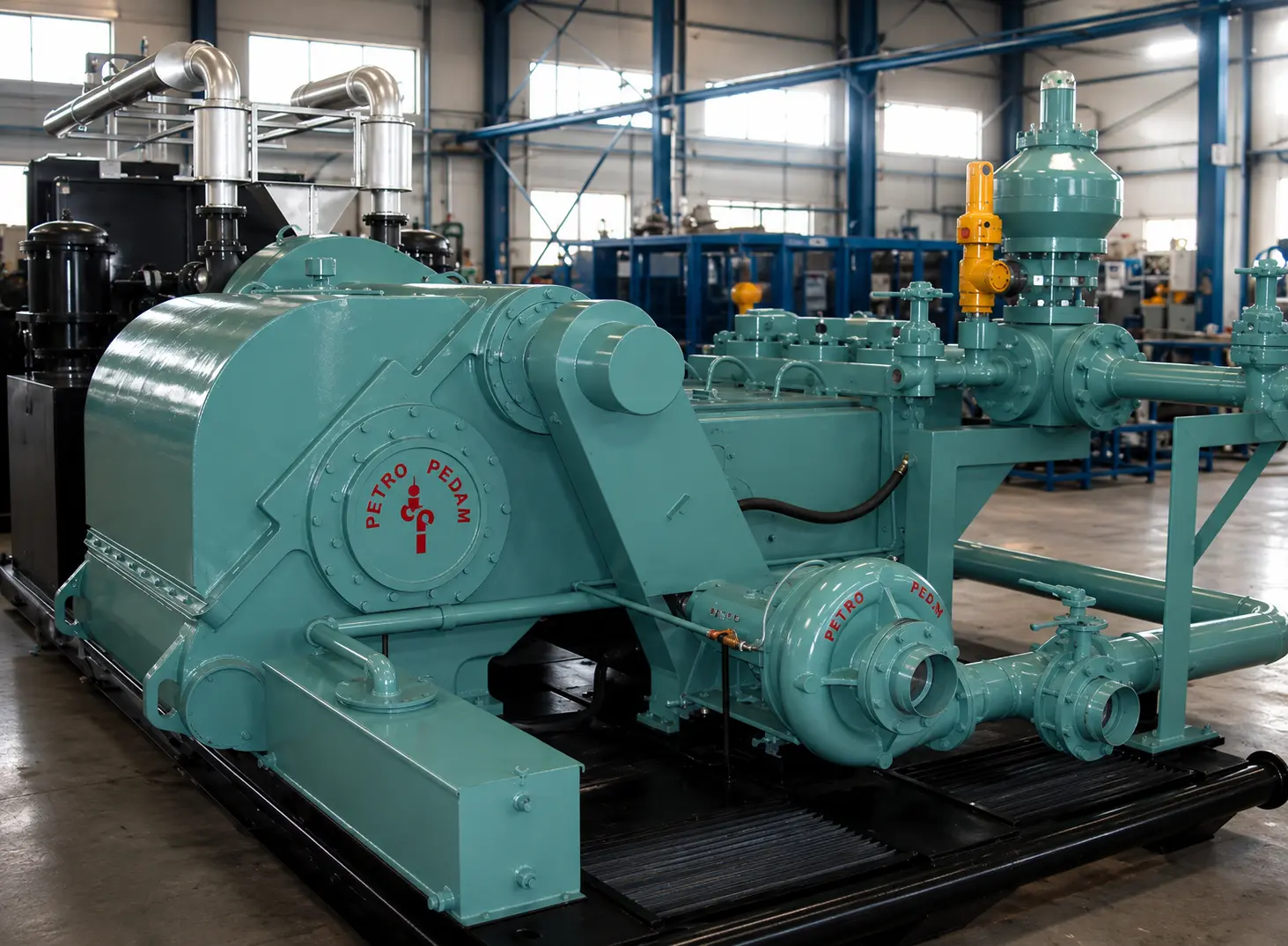
750 HP Mud Pump
Reciprocating mud pump for drilling service.
Explore reciprocating →Standard Reciprocating Plunger Pumps
Reciprocating plunger pumps for petroleum products, water and viscous fluids. Design and manufacturing follow the project's applicable API 674 requirements.
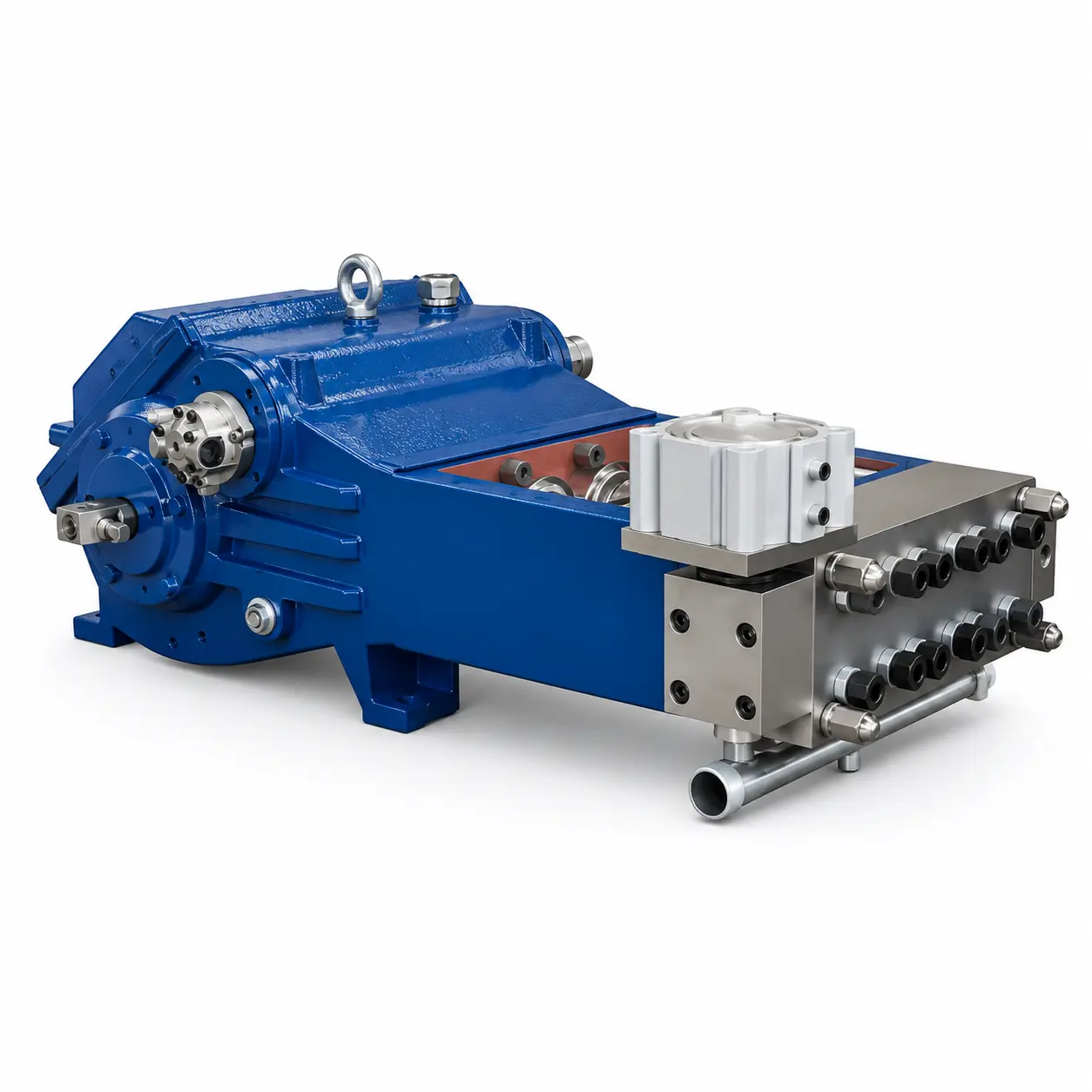
Mild Steel Triplex Plunger
High-pressure triplex plunger pump for petroleum and viscous service.
Explore reciprocating →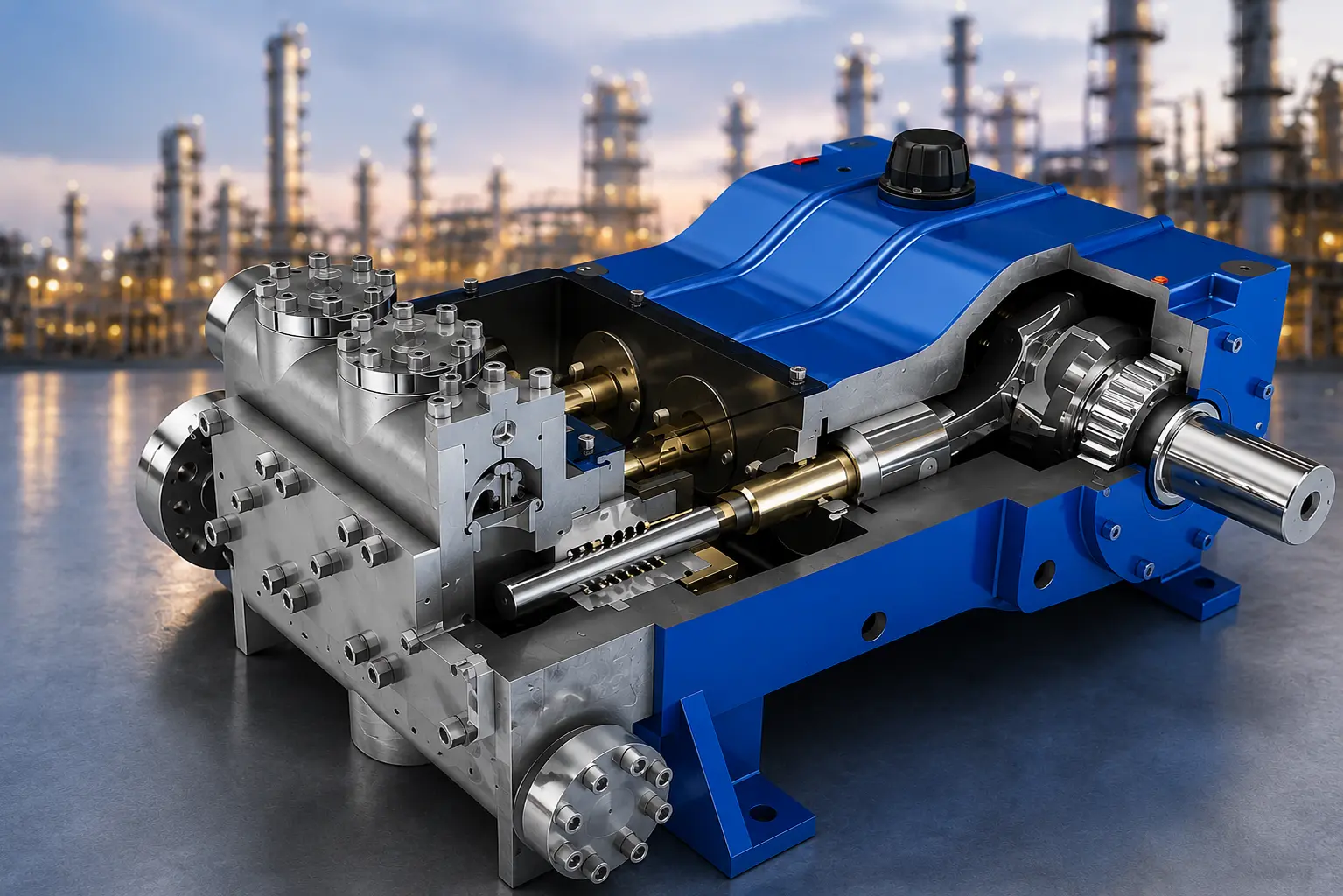
RDP Plunger RP-1
Reciprocating plunger pump for high-pressure service.
Explore reciprocating →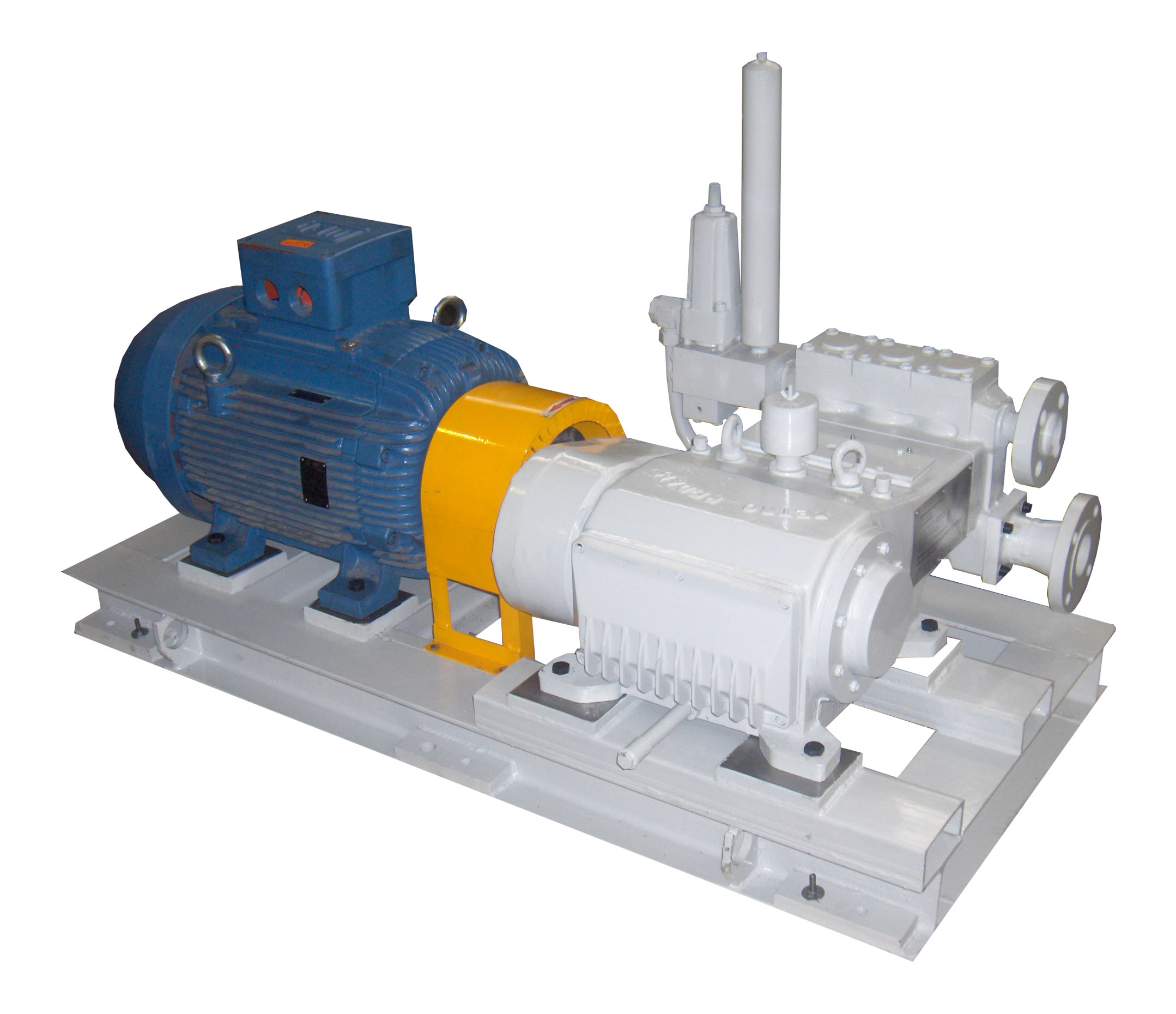
Reciprocating Pump 1
Plunger reciprocating pump for petroleum and viscous service.
Explore reciprocating →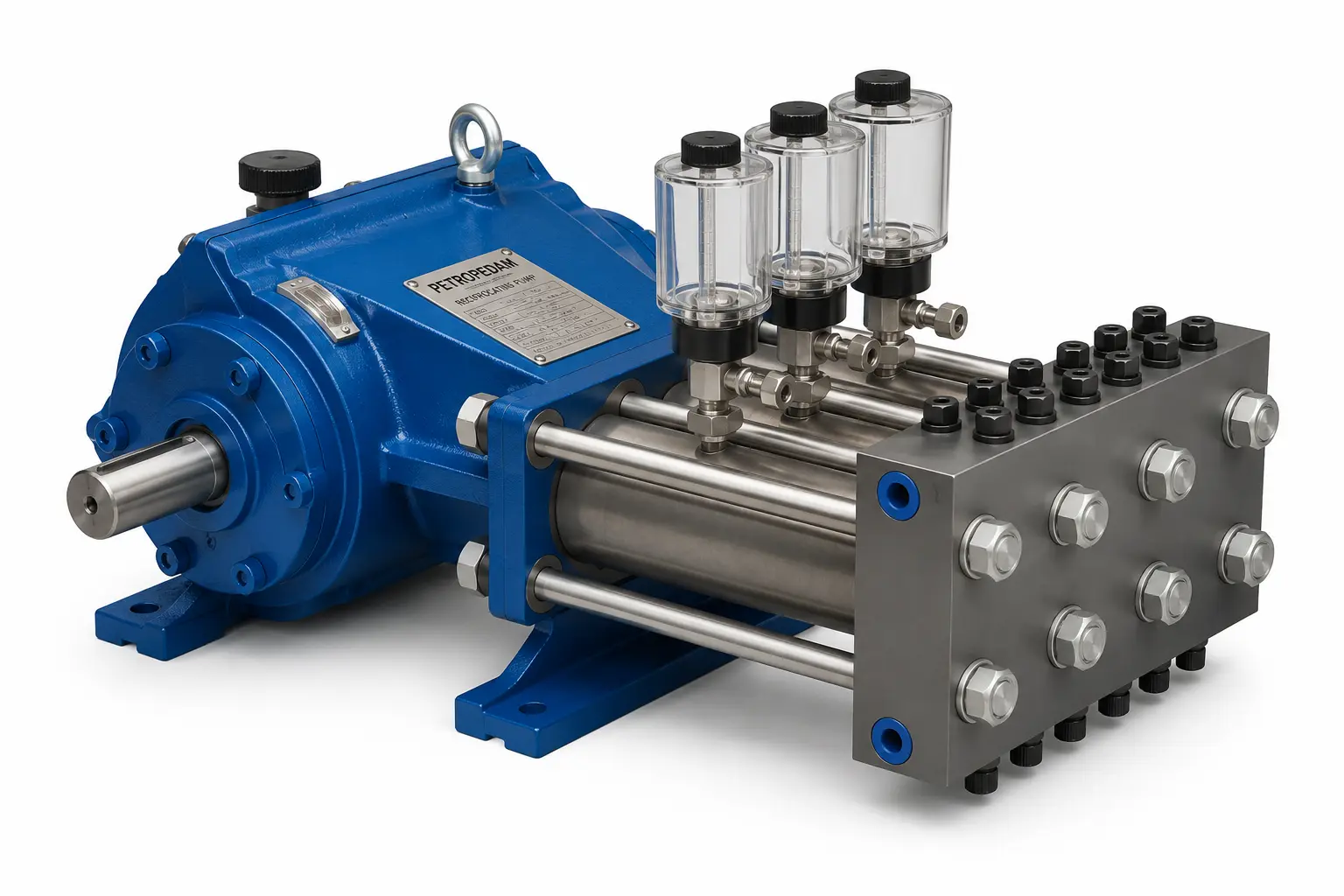
Triplex Pump
Industrial triplex positive-displacement pump.
Explore reciprocating →Project reference
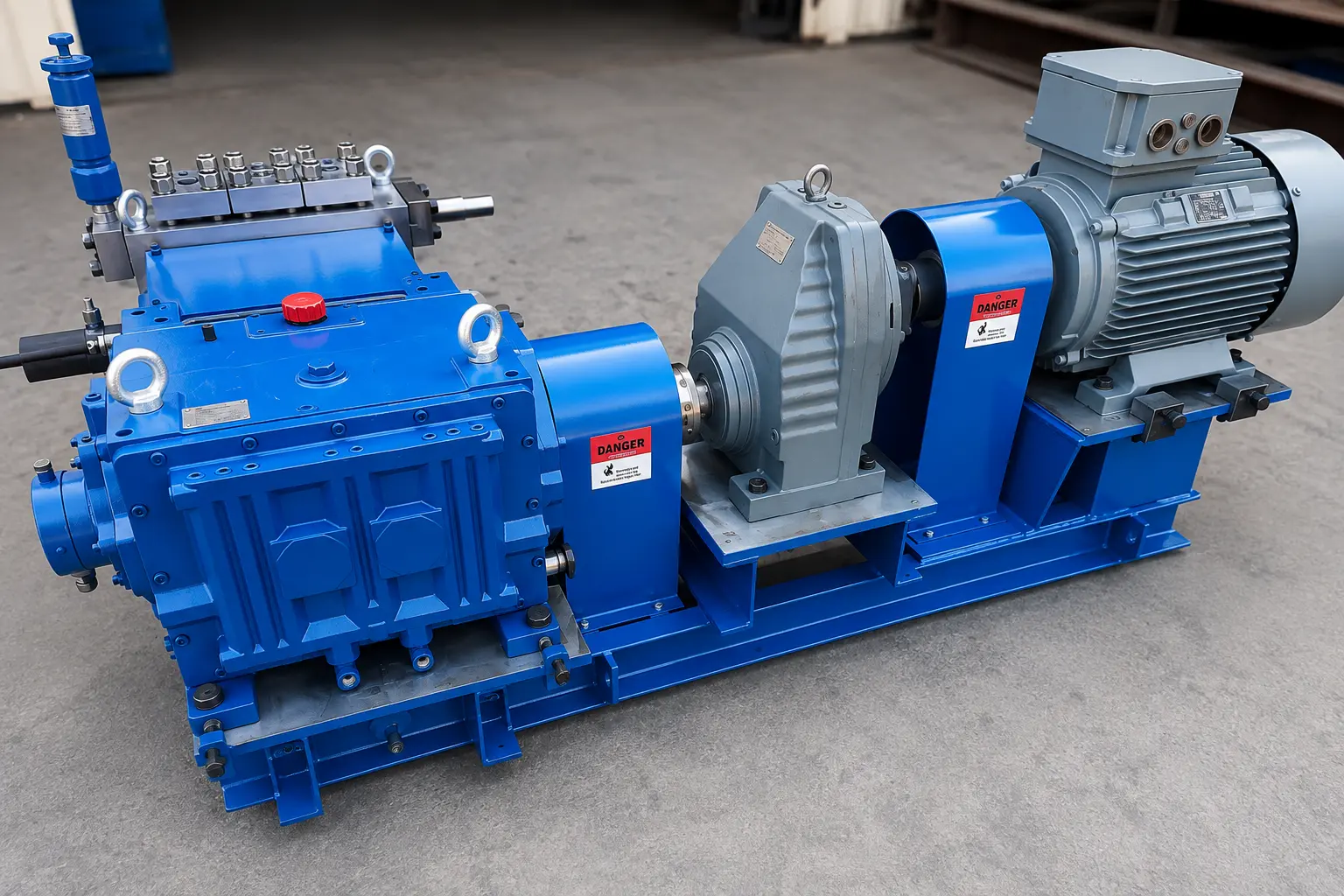 Standard Plunger Pump Project
Custom plunger pump solution for industrial application.
✓ ProjectDouble-Acting Reciprocating Pumps
Double-acting piston pumps supplying drilling water and transferring viscous fluids. Diesel or electric drive selected to the site conditions.
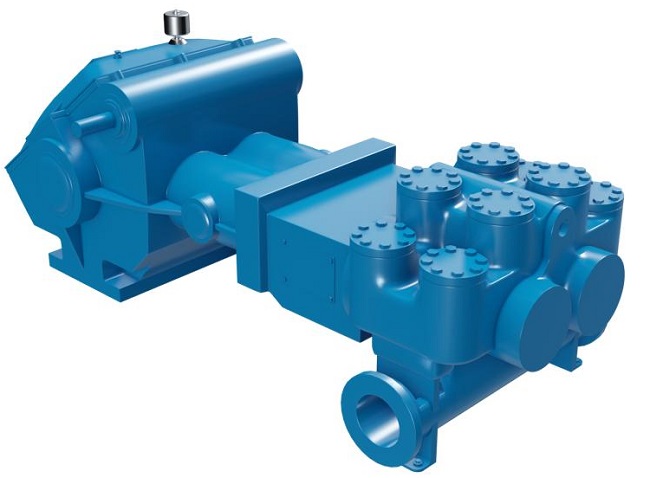
Reciprocating 1654
Double-acting piston pump for water supply and viscous fluids.
Explore reciprocating →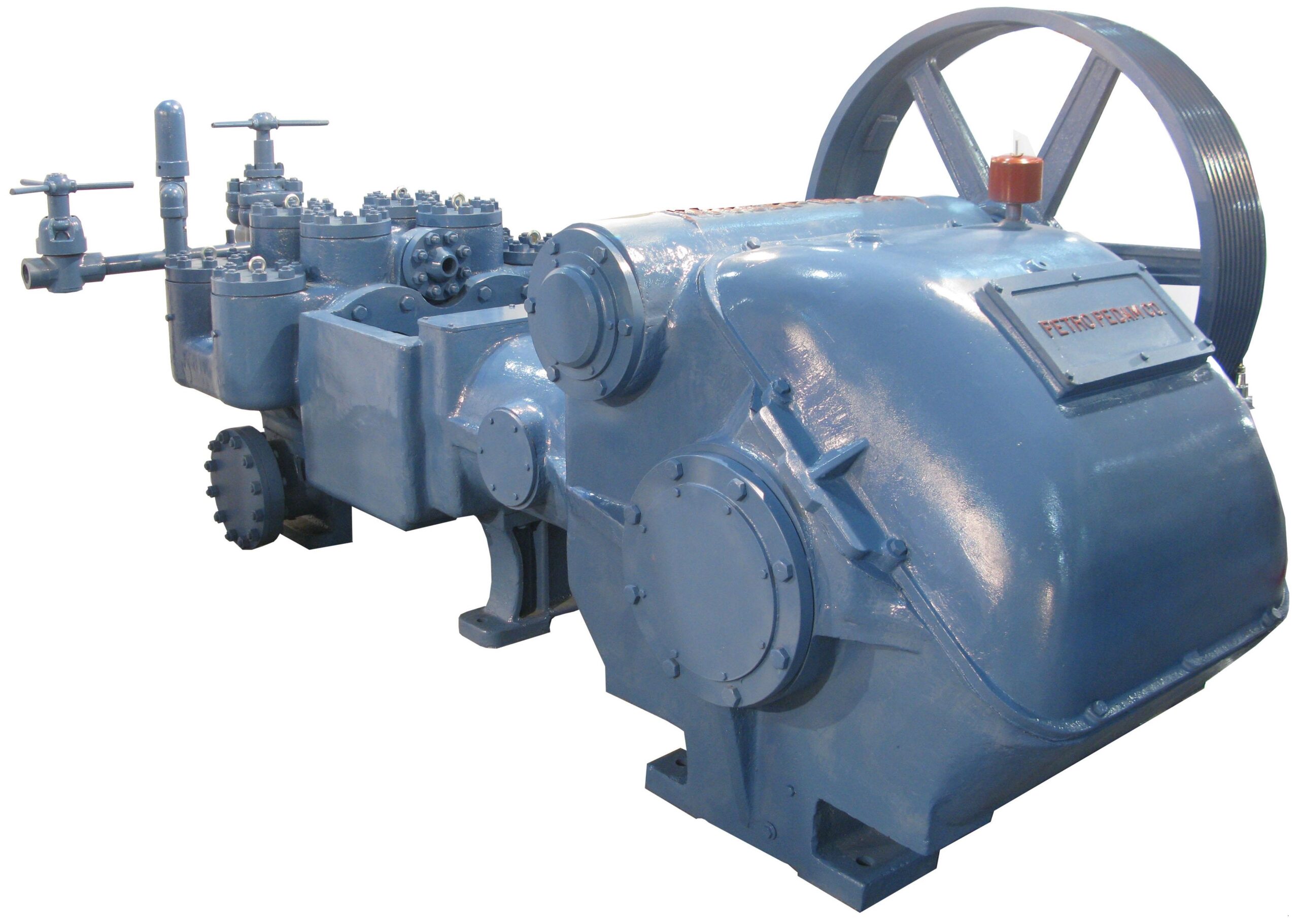
Reciprocating 2651
Double-acting piston pump for industrial water and viscous service.
Explore reciprocating →Project reference
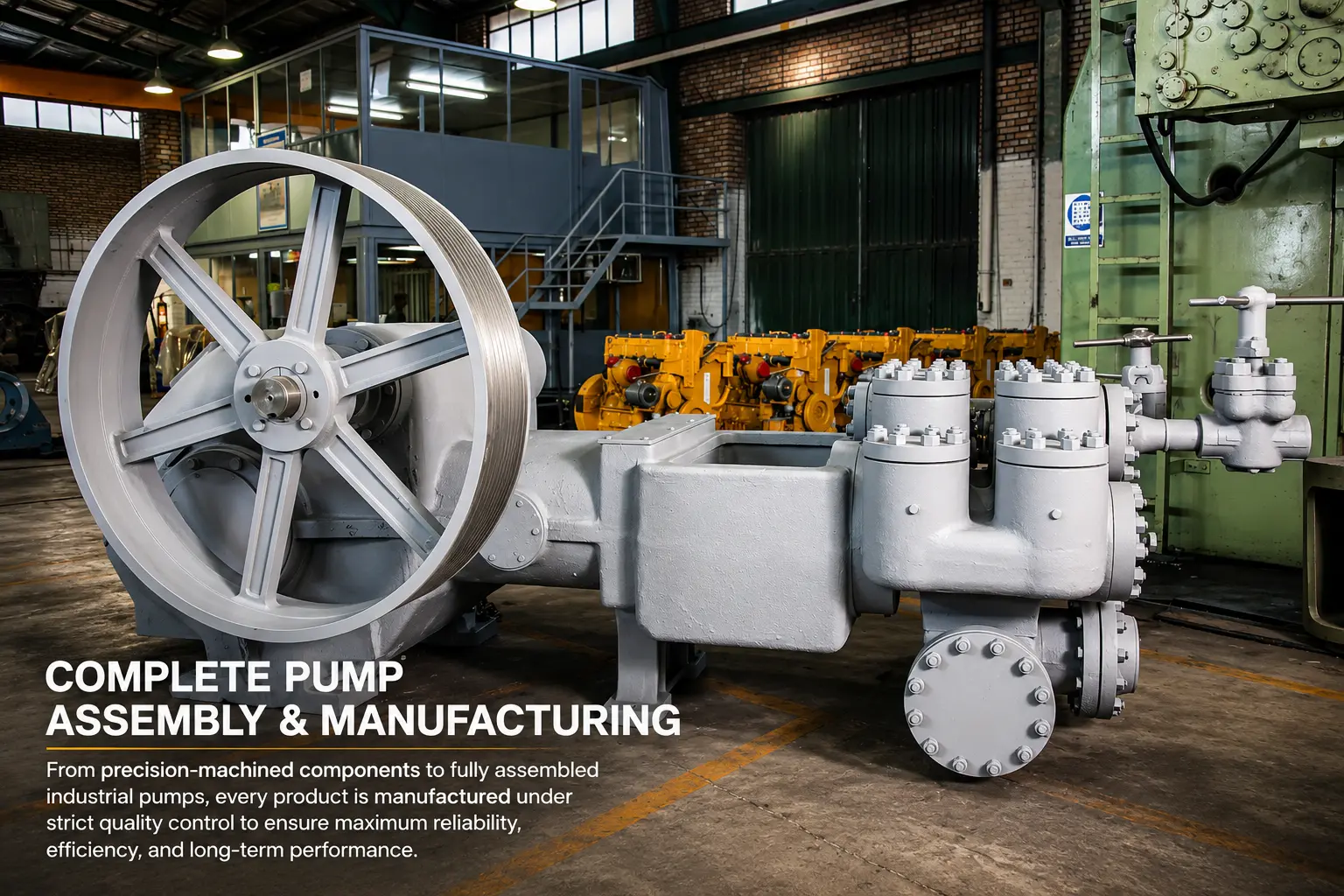 Reciprocating Pump Project
Custom reciprocating pump solution for industrial application.
✓ ProjectSubmersible Pumps
3 models + 1 projectSubmersible Pumps
Submersible pumps for water, slurry, sludge and floodwater transfer. IP68-rated models are available; project-specific rating to be confirmed with engineering.
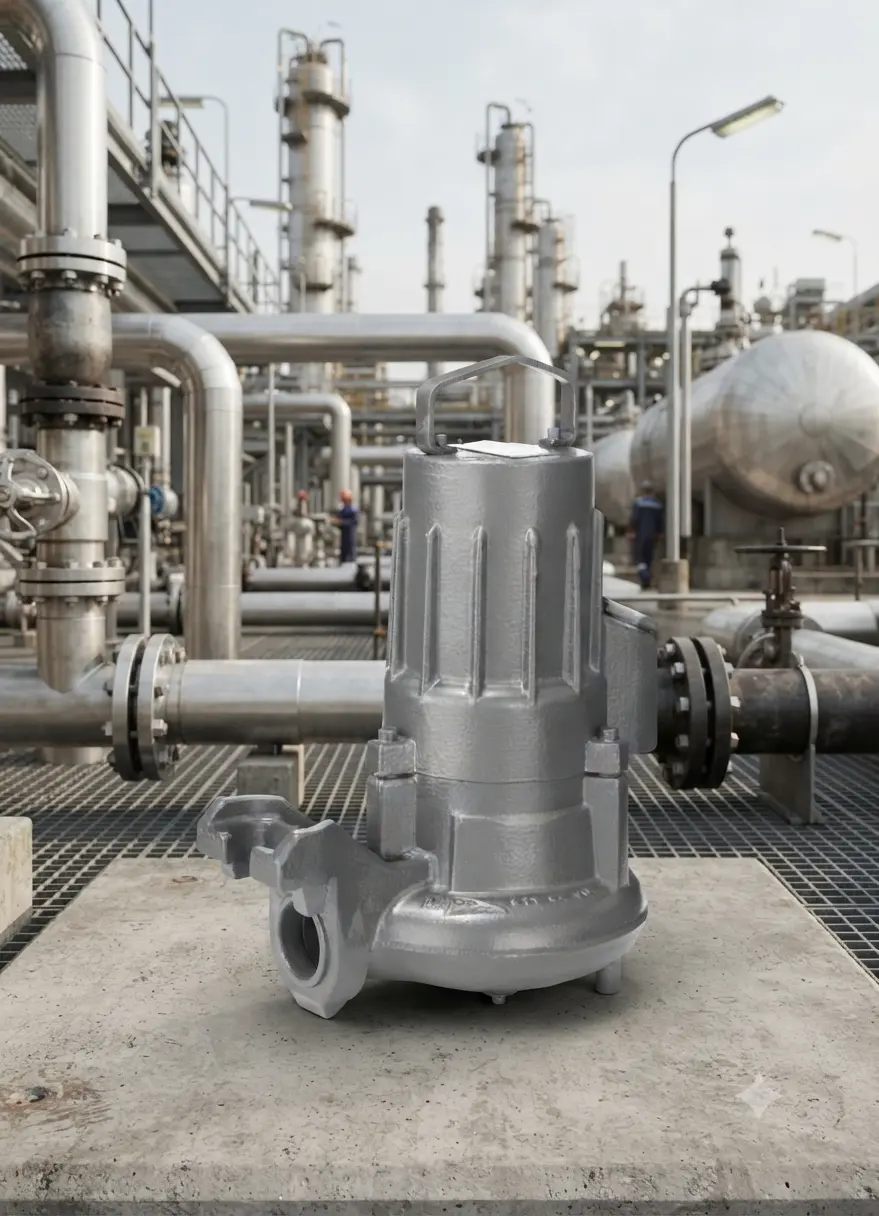
Submersible D3045
Submersible pump model D3045.
Explore submersible →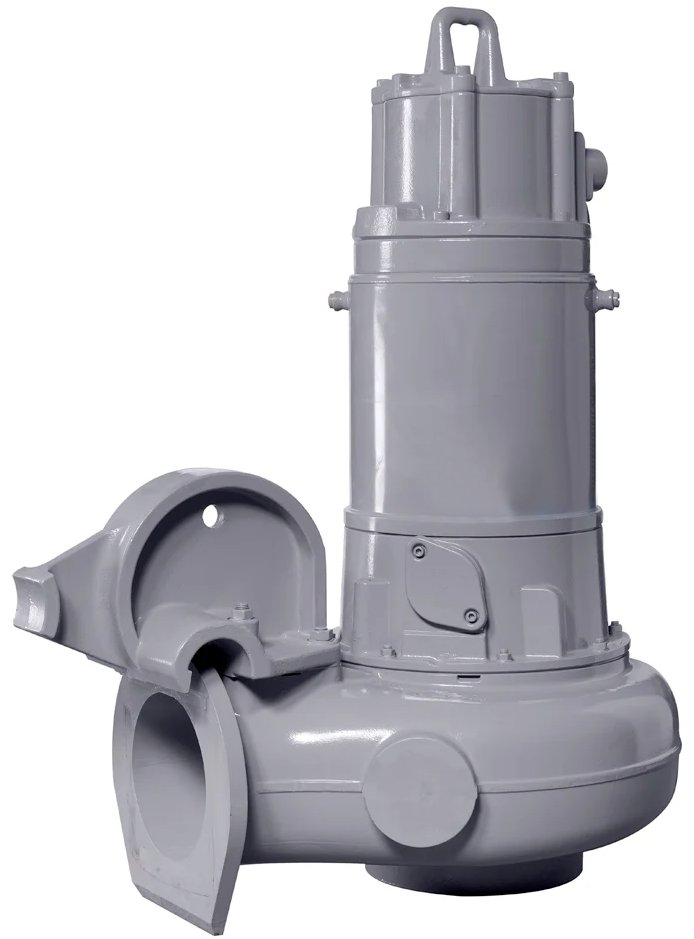
Submersible N3306
Submersible pump model N3306.
Explore submersible →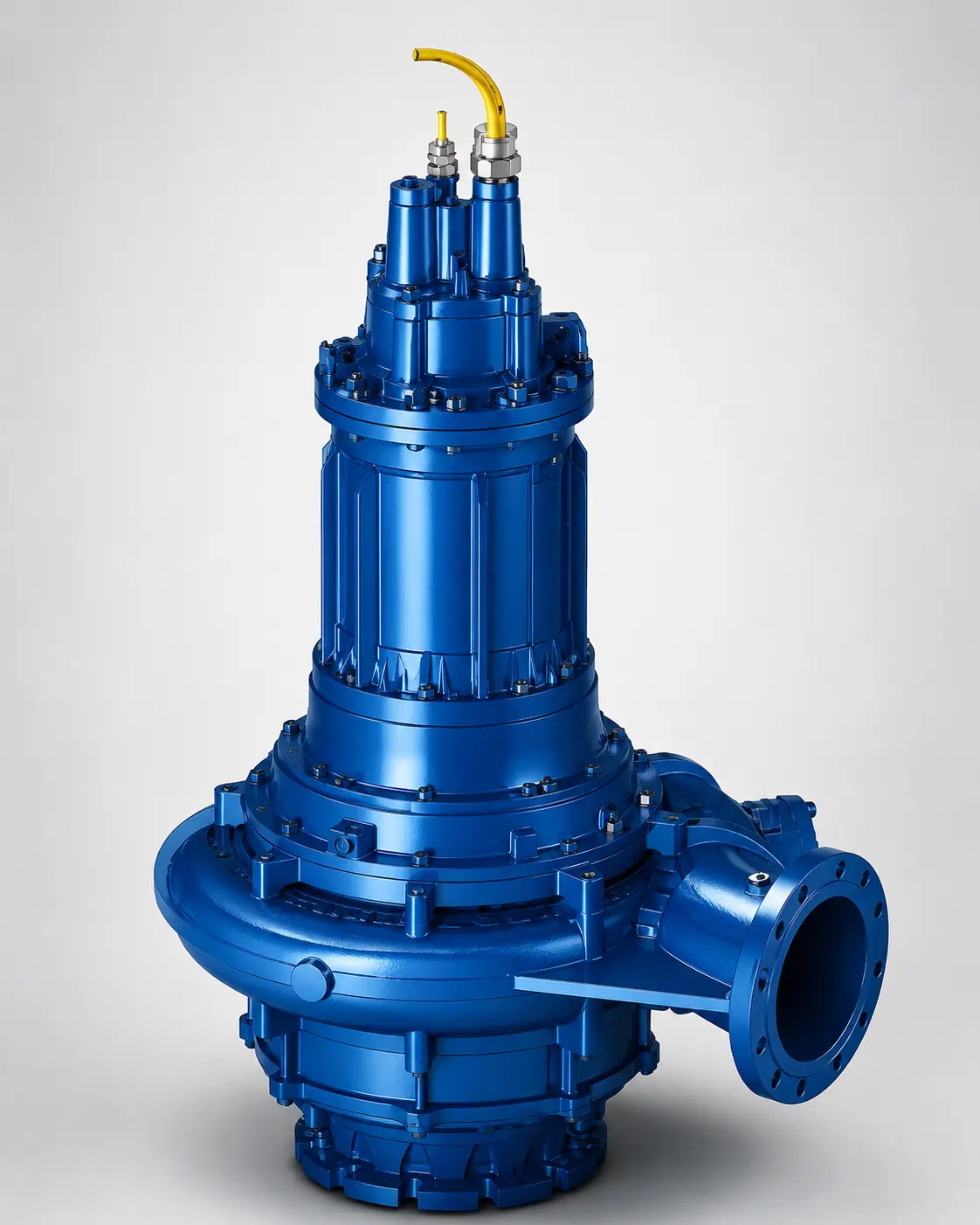
Submersible Pump
General-purpose submersible pump for water and wastewater service.
Explore submersible →Project reference
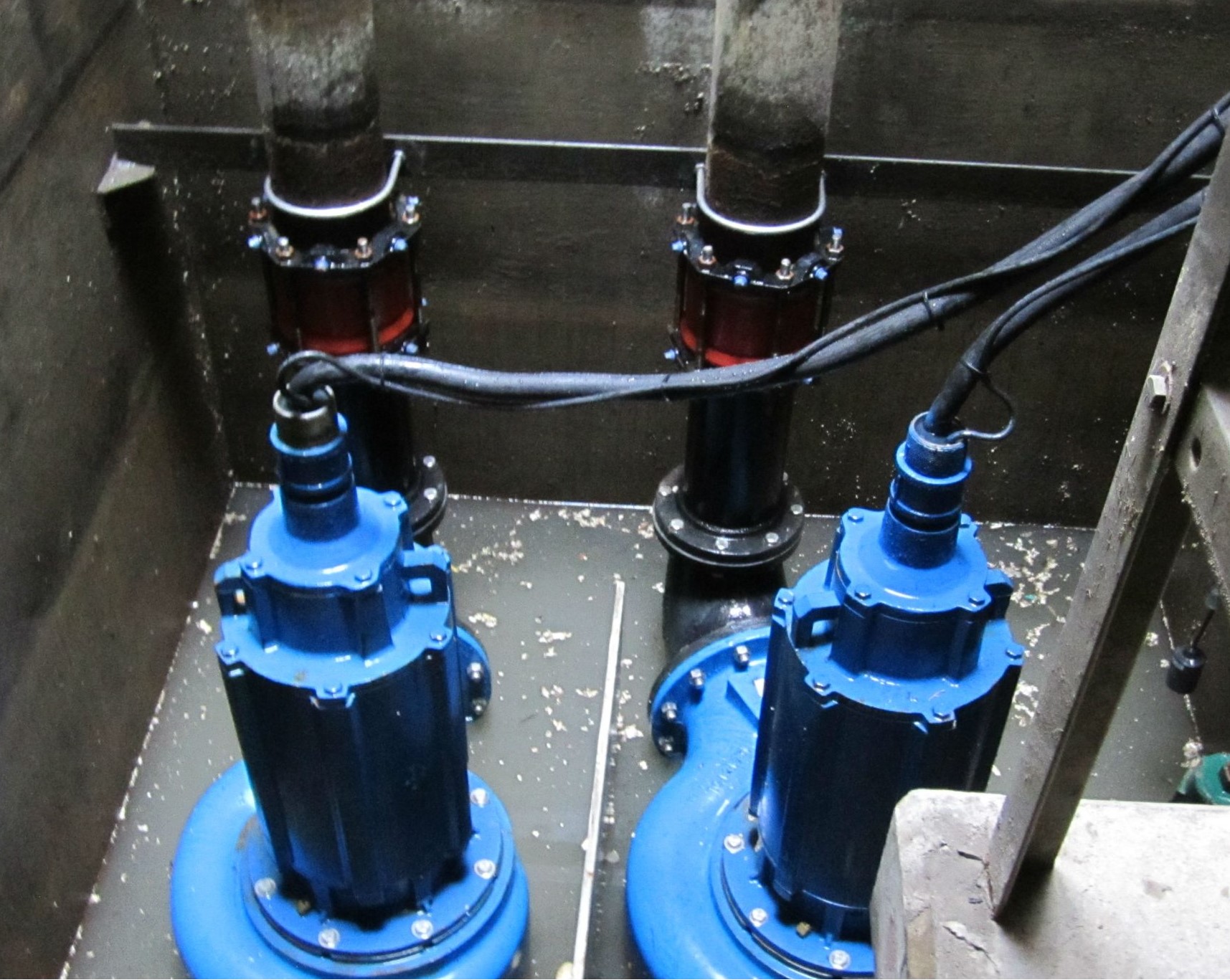 Pit Cleaning Sump Pump
Submersible sump pump for pit cleaning service.
✓ ProjectGear & Screw Pumps
4 models + 1 projectGear & Screw Pumps
Gear and screw pumps for viscous fluid transfer in petroleum, petrochemical and natural gas service. Design and testing follow the applicable API 676 requirements for the specific duty.
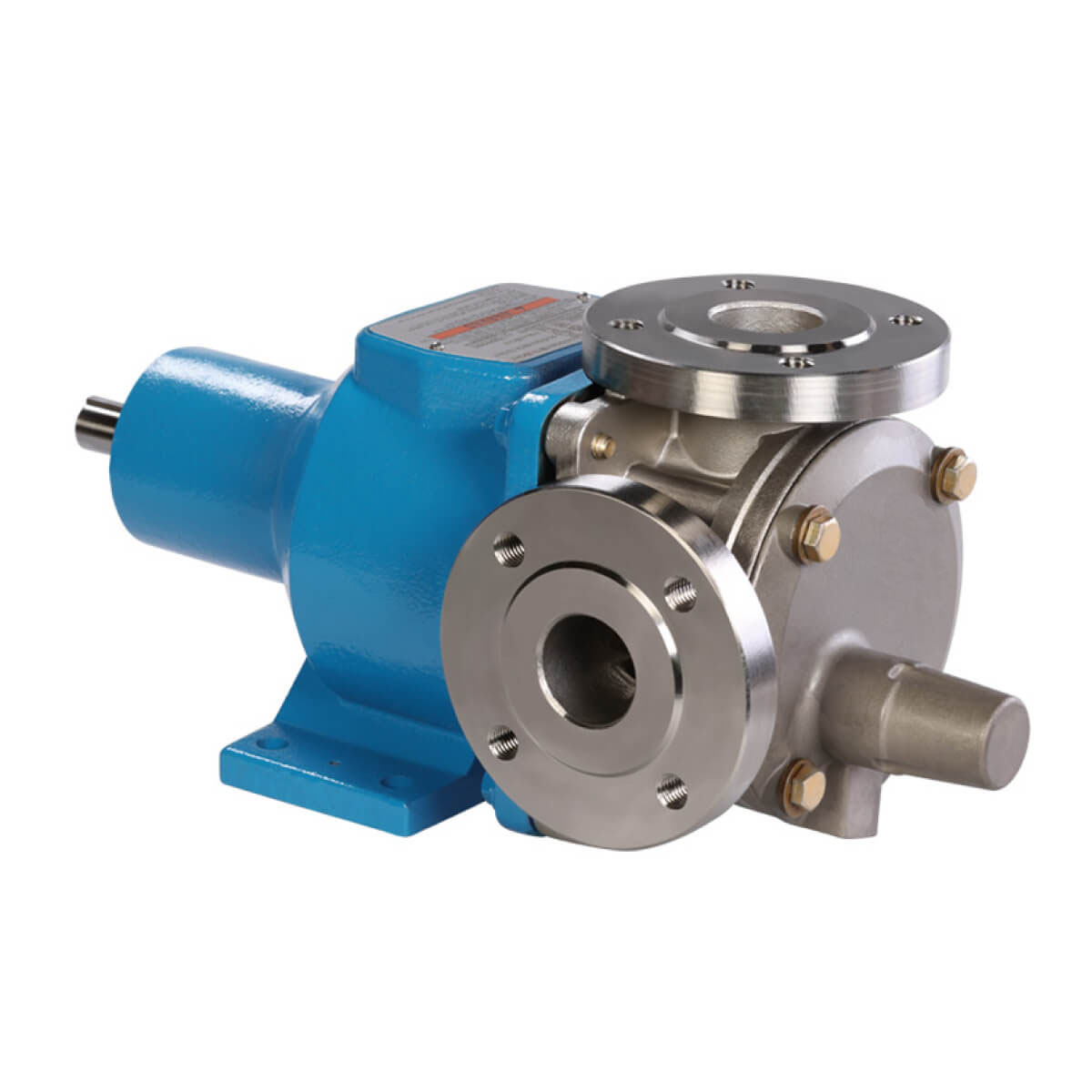
Gear Pump — Model 1
Industrial gear pump for viscous fluids.
Explore gear & screw →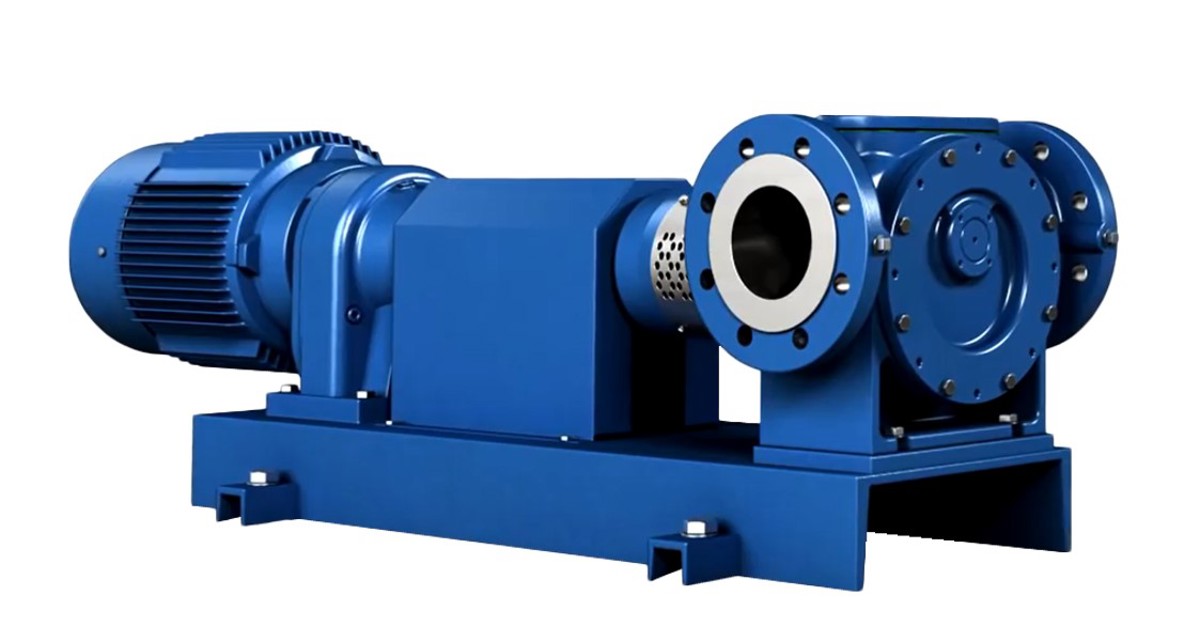
Gear Pump — Model 2
Industrial gear pump for high-viscosity service.
Explore gear & screw →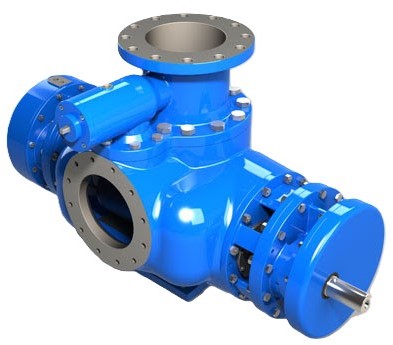
Screw Pump — Model 1
Industrial screw pump for continuous fluid transfer.
Explore gear & screw →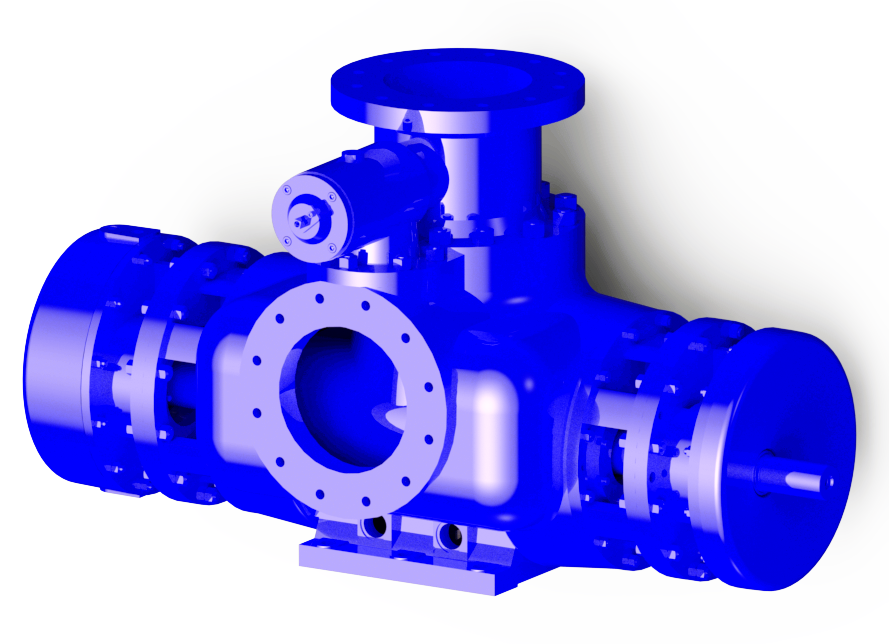
Screw Pump — Model 2
Industrial screw pump for viscous petroleum products.
Explore gear & screw →Project reference
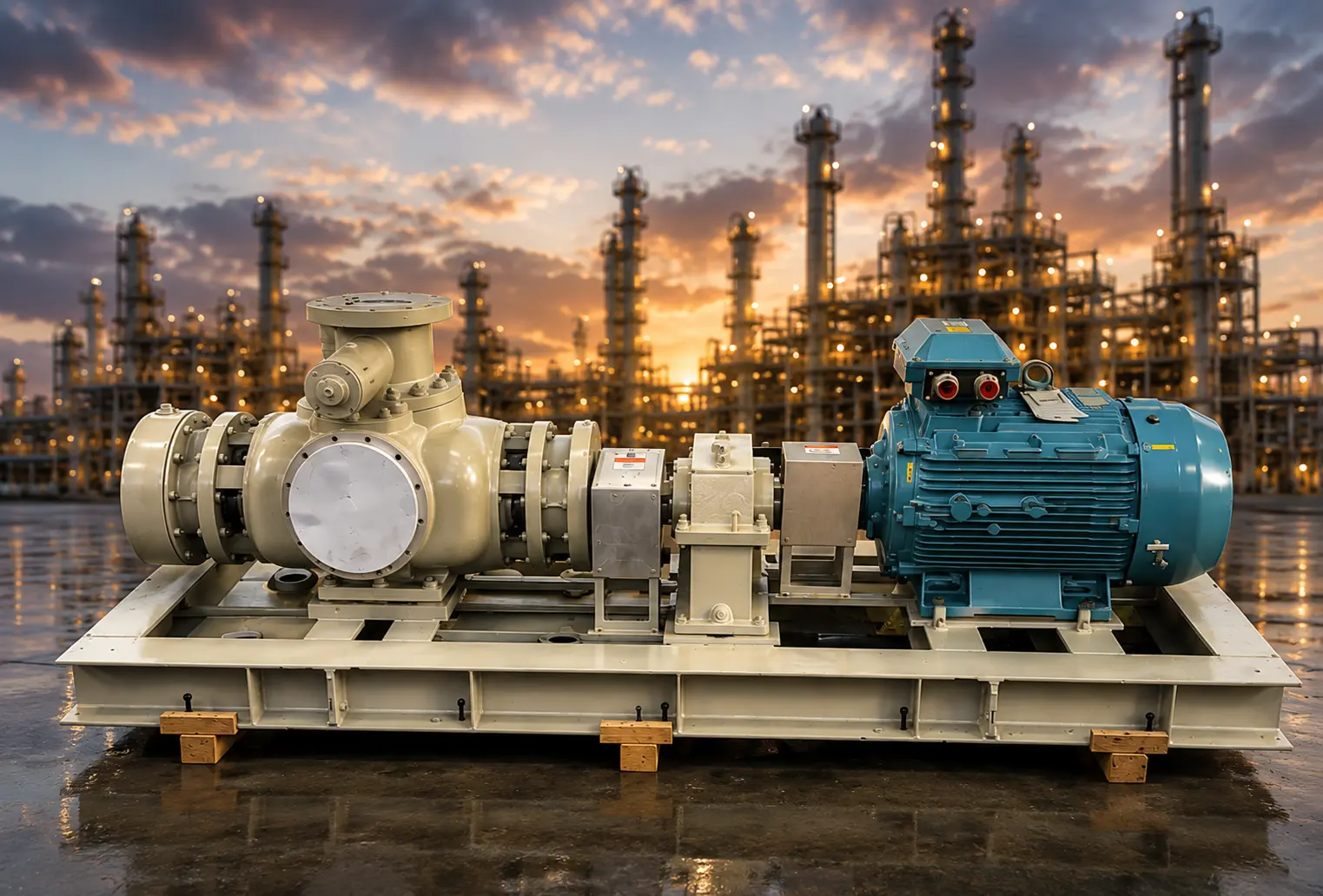 Tehran Refinery Screw Pump
Custom screw pump for refinery service.
✓ ProjectSlurry Pumps — Heavy-Duty Solids Handling
3 models + 1 projectSlurry Pumps — Heavy-Duty Solids Handling
Slurry pumps for abrasive and erosive mixtures with solid particles — drilling mud, ash and coal handling. Material and liner selection is per application.
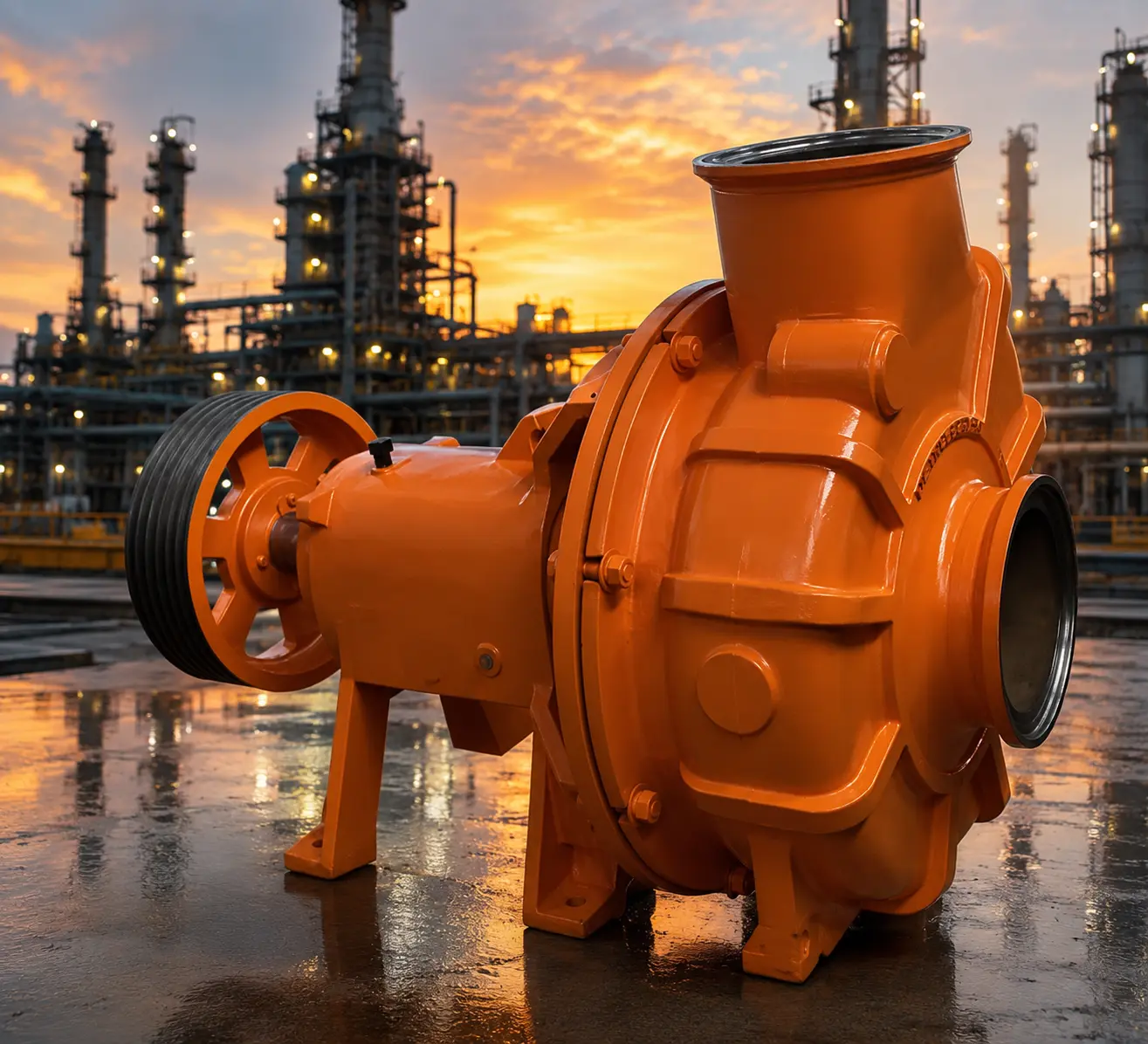
Hard-Material Slurry Pump
Slurry pump for hard materials and liquids containing solid particles.
Explore slurry →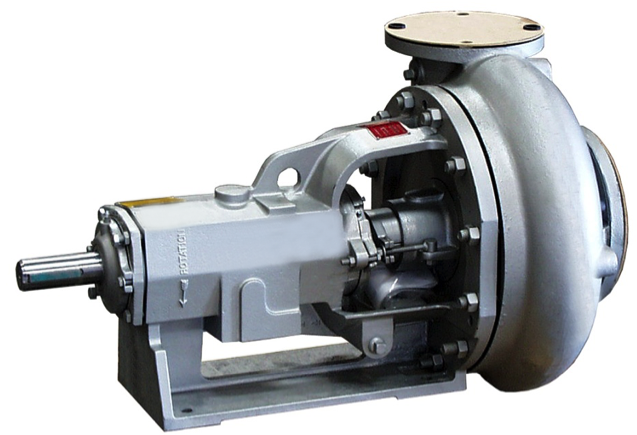
Nodular Iron Slurry Pump
Nodular iron slurry pump for mud handling service.
Explore slurry →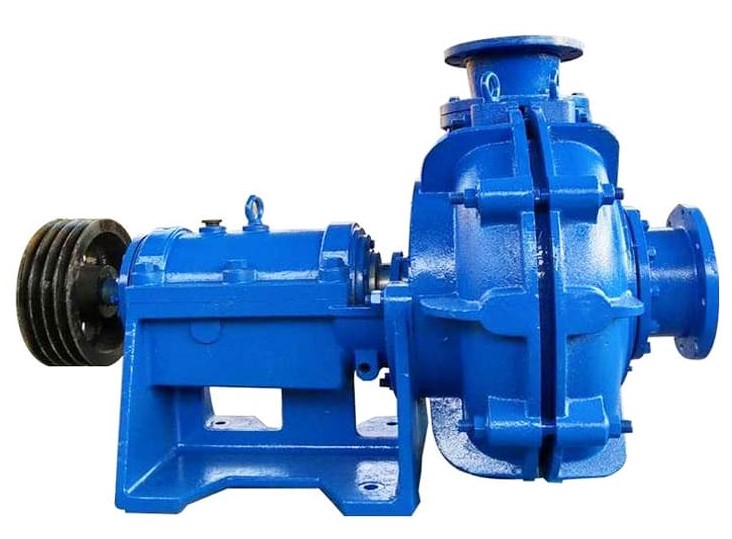
Rubber-Lined Slurry Pump
Rubber-lined slurry pump for abrasive service.
Explore slurry →Project reference
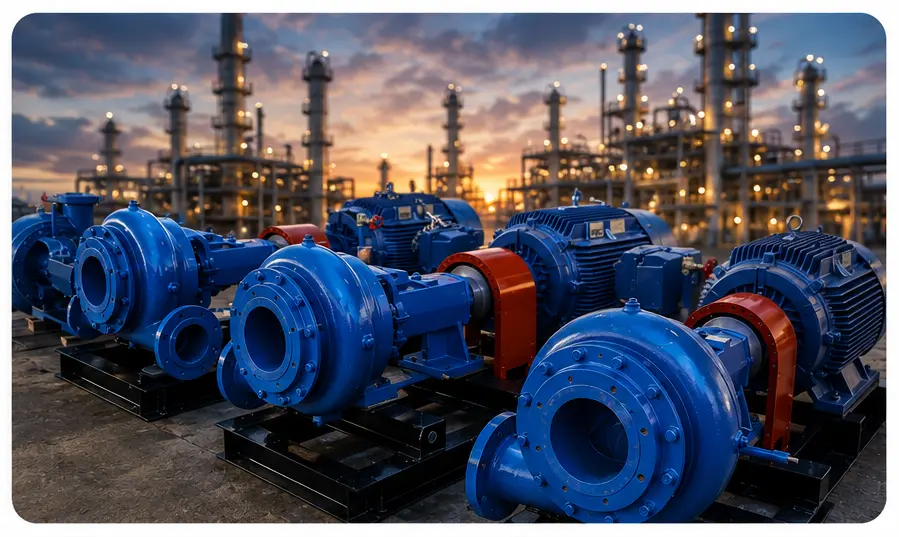 Centrifugal Project
Drilling project reference.
✓ ProjectSpecial Pumps — Trash / Fire / Hot Oil
3 modelsSpecial Pumps
Trash pumps for flood control, NFPA 20 fire pumps for industrial fire protection, and hot-oil pumps for high-temperature heat-transfer fluids.
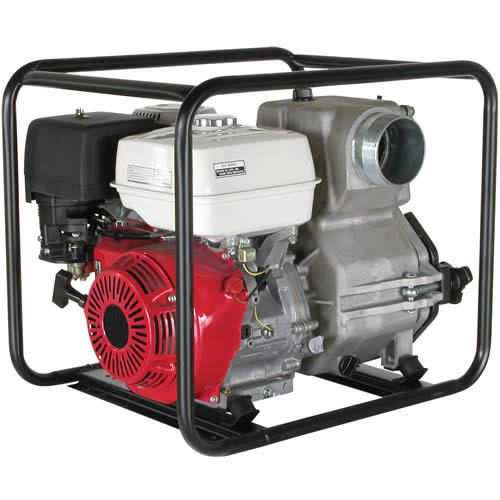
Trash Flood Centrifugal Pump
Trash flood pumps in 2", 3" and 4" sizes, up to 13 HP, for flood and waterlogging control.
Explore special →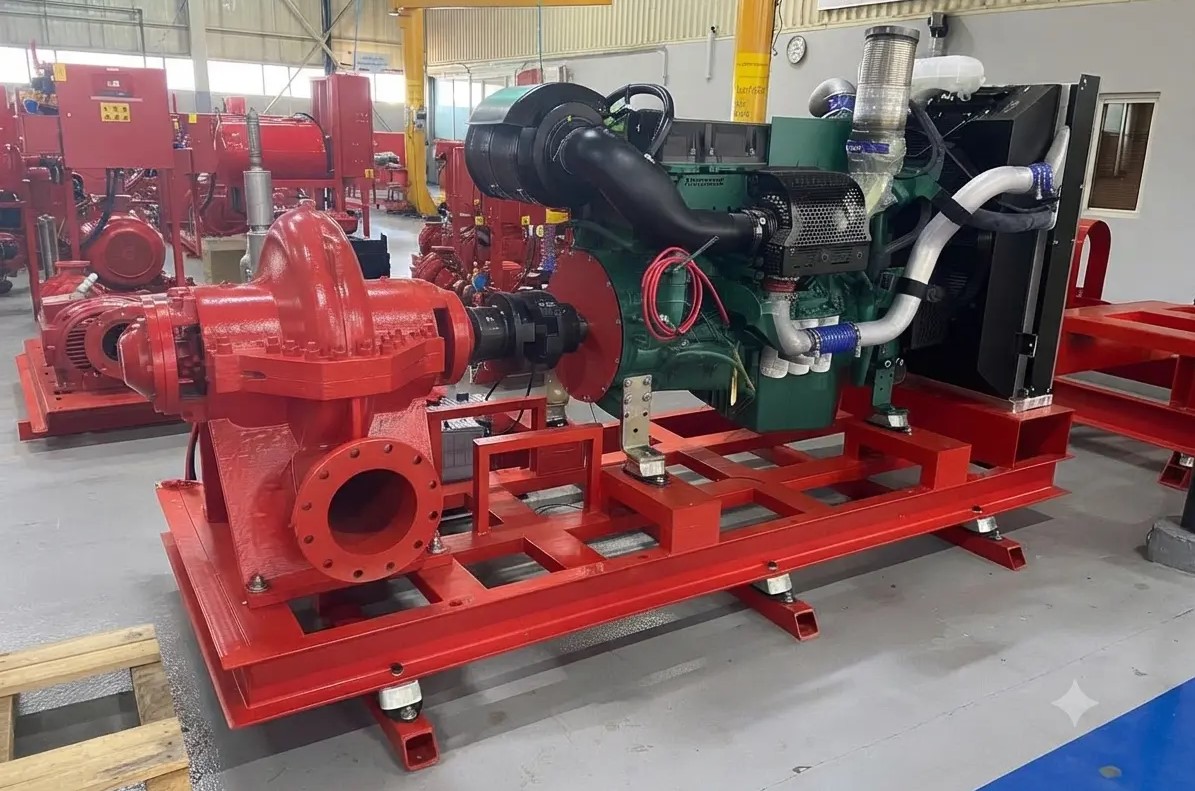
Fire Pump for Oil & Gas — NFPA 20
NFPA 20 fire pump package for high-risk industrial sites; electric or diesel drive options.
Explore special →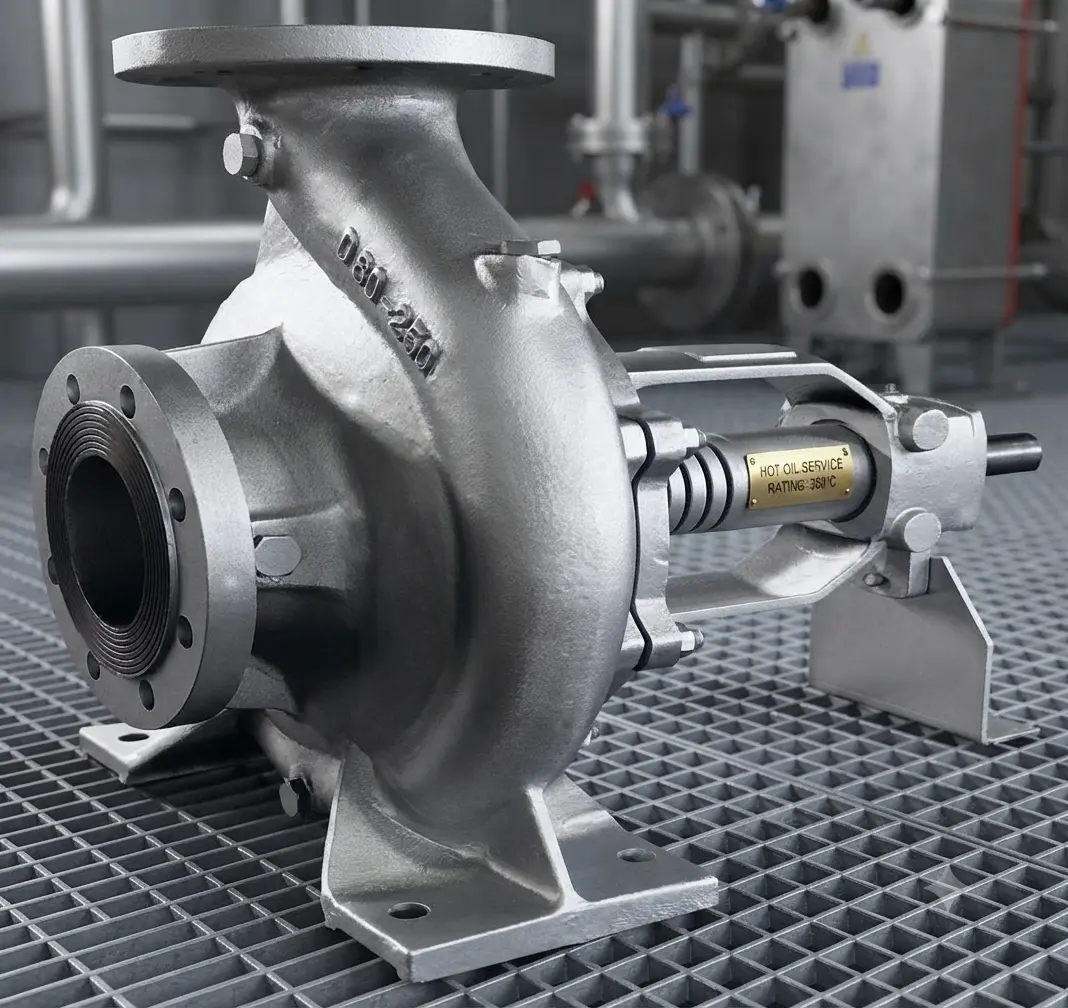
Hot Oil Centrifugal Pump
Hot-oil centrifugal pump for heat-transfer fluids. Maximum temperature to be confirmed per project.
Explore special →Need help selecting the right pump?
Send us your process conditions — flow, head, fluid and temperature — and our engineering team will recommend the right pump.