

Submersible Pumps for Water, Wastewater and Industrial Duty
Submersible pumps operate with the pump end submerged in the pumped liquid. Correct selection depends on the duty point, the fluid, the solids content and the installation conditions — not on submergence alone. This page covers the two hydraulic arrangements, the key selection parameters and the data needed for a technical proposal.
Illustrative image of a submersible pump. The exact unit is not identified; confirm the specific model against the approved product data.
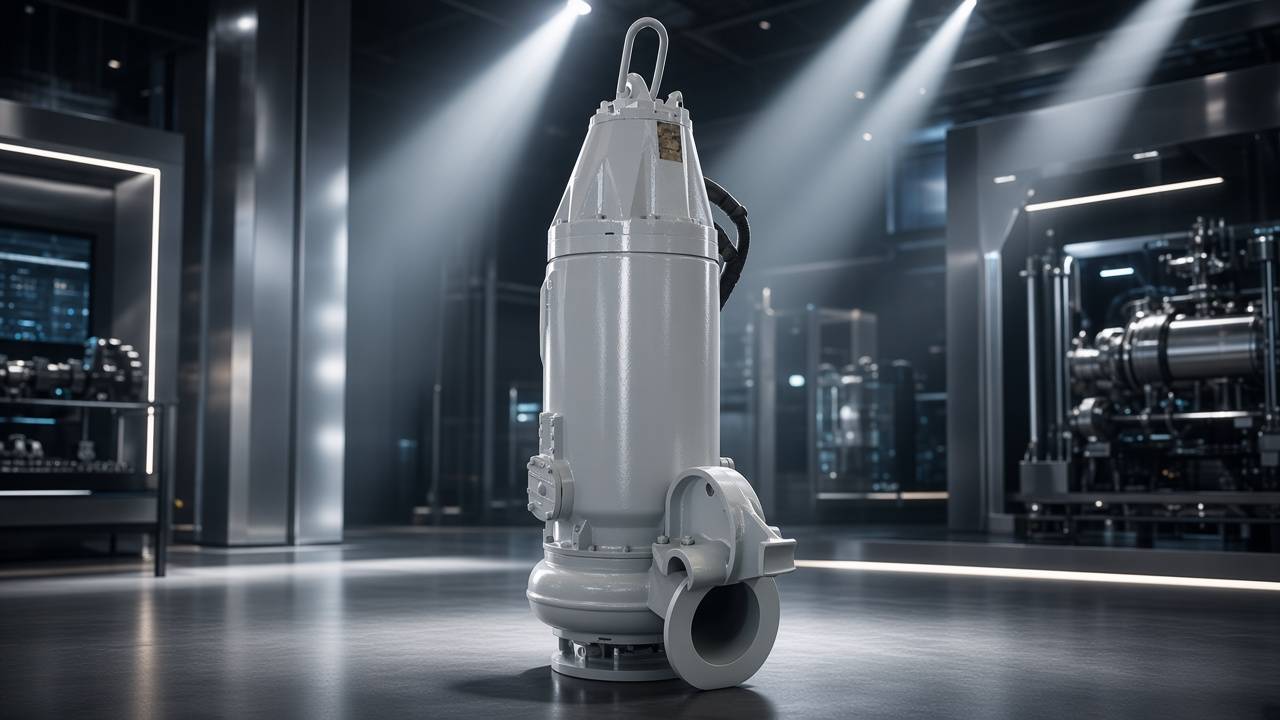
How a submersible pump is arranged
A submersible pump is a close-coupled centrifugal unit designed to operate with the pump end submerged in the pumped liquid. The motor is enclosed in a sealed housing. Pump selection is determined by the duty point, fluid properties, solids content and installation conditions.
No conventional suction priming
When installed with its inlet submerged, the pump does not require the conventional priming procedure used for many surface-mounted pumps. Maintain the specified minimum submergence and check the intake conditions for the selected model.
Reduced noise at the surface
With the pump submerged, some of the mechanical noise is transmitted into the liquid rather than into the surrounding air. The actual noise level at the surface depends on installation depth and the surrounding structure.
Protected submerged assembly
The pump and motor form a close-coupled unit with no exposed shaft or coupling at the surface. Inspection intervals for seals, cable entry, bearings and motor condition follow the manufacturer's instructions for the specific model.
Volute and diffuser arrangements
Submersible pumps are commonly built in two hydraulic arrangements. Both are centrifugal; the difference lies in how the flow leaves the impeller and is directed to the discharge.
Volute arrangement
A volute collects flow from the impeller and directs it toward the discharge through a gradually expanding casing. The behaviour of the pump in service depends on the impeller geometry, the solids passage and the selected duty point — not on the casing shape alone.
- Commonly used in wastewater and drainage service
- Impeller and passage geometry determine solids handling
- Configuration selected per application and duty point
Diffuser arrangement
A diffuser uses stationary passages around the impeller to guide flow and recover pressure. It is commonly used where a compact, multi-stage arrangement is required, such as in boreholes and deep-well service.
- Commonly used in deep-well and borehole service
- Performance characteristics depend on the specific hydraulic design
- Configuration selected per application and duty point
Common applications
Submersible pumps are used across water supply, wastewater and industrial service. The examples below are typical; the actual selection depends on the duty point and the pumped fluid.
Wells and boreholes
Deep and semi-deep wells for drinking water and process water supply. Multi-stage diffuser arrangements are common in narrow boreholes.
Sewage and drainage
Municipal wastewater, sump drainage and flood response. Impeller geometry and solids passage are selected to suit the pumped fluid.
Process and cooling water
Cooling water, process water and industrial drainage. Wetted materials and seals are selected for the fluid chemistry and temperature.
Mine dewatering
Removing water from open pits and underground workings. Abrasion-resistant materials and reinforced construction are typical requirements.
Flood and stormwater
Portable and fixed units for flood control and stormwater management. Deployment and power availability are usually as important as pump performance.
Site dewatering
Removing groundwater and rainwater from construction sites. Pump selection is based on the flow, the total head and the solids content of the water.
What to determine before selecting a submersible pump
Correct sizing and installation are the primary factors in reliable service. The duty point should be checked against the manufacturer's performance curve for the actual pumped liquid and system head.
- Flow rate: required duty flow in m³/h, with minimum and maximum expected values.
- System head: static lift plus friction losses in the pipework, fittings and valves.
- Operating range: the range over which the pump must operate, not only the design point.
- Liquid properties: temperature, pH, density and any corrosive or abrasive constituents.
- Solids content and passage: particle size and concentration, and the minimum solids passage the pump must pass.
- Installation type: wet-pit, dry-well, portable or fixed; vertical or inclined.
- Minimum liquid level and submergence: the minimum level at which the pump may operate, and whether a cooling shroud is required.
- Dry-running protection: level control and protection to prevent operation without liquid.
- Power supply and cable: voltage, phase, frequency, cable length and cable protection.
- Controls and protection: starter, overload protection, insulation monitoring and monitoring devices required.
- Discharge connection: pipe size, connection type and any required non-return valve.
- Access for lifting and maintenance: guide rails, lifting chain and clearance for removal of the pump and motor.
Submersible pump configurations
The images below illustrate submersible pump arrangements. Final selection depends on the application, the pumped fluid and the duty point. The photographs do not by themselves establish the hydraulic design, materials or performance of a specific unit.
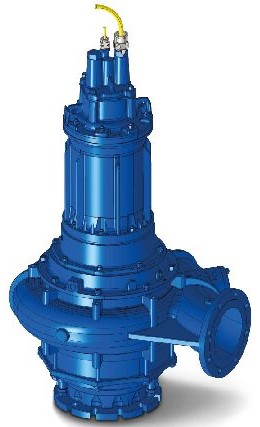
Submersible Pump Assembly
Close-coupled pump and sealed motor for submerged operation. The hydraulic design, impeller geometry, materials and duty point are selected for the specific application. Confirm the exact configuration against the approved datasheet.
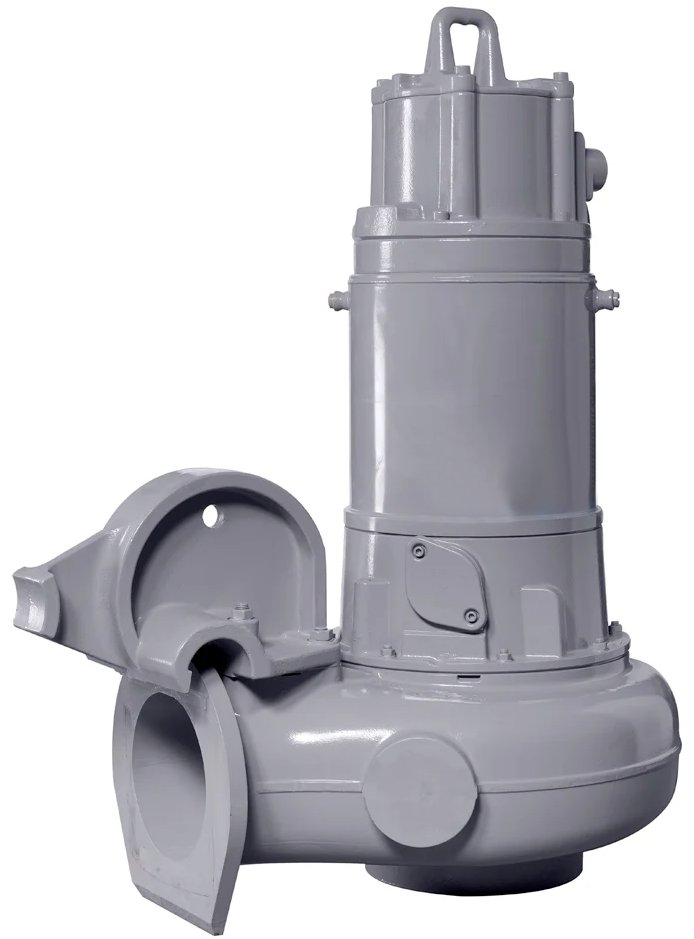
Submersible Pump for Water Service
Submersible pump for water and wastewater service. Performance, materials and motor rating are confirmed per application against the approved curve and datasheet.
Service and repair
In-house service and repair capability for submersible pumps. Seal integrity, cable entry and motor condition are the primary inspection points for submerged units.
Inspection and repair scope
Submersible pumps are lifted for inspection when the application requires it. The typical inspection scope covers the mechanical seal, cable entry, bearing condition and motor insulation. The exact scope follows the manufacturer's instructions for the specific model.
If you are planning a service interval or a repair on a specific unit, send the model reference, the duty history and the observed condition. We can advise on the inspection scope and the required spare parts.
Submersible pump selection, in plain language
Do submersible pumps need priming?
When installed with the inlet submerged, the pump does not require the conventional priming procedure used for many surface-mounted pumps. Maintain the specified minimum submergence and check the intake conditions for the selected model.
What is the difference between a volute and a diffuser submersible pump?
A volute collects flow from the impeller and directs it toward the discharge. A diffuser uses stationary passages to guide flow and recover pressure. The suitable configuration depends on the required flow and head, the pumped liquid, the solids characteristics and the verified performance data. Wastewater and deep-well service are common examples of the two arrangements, but they are not universal rules.
How do I know which size submersible pump I need?
Start with the required flow rate and the total system head. Then check the pump's performance curve to confirm it delivers the required duty within its recommended operating range. The fluid properties, solids content, installation and minimum liquid level determine the hydraulic design, materials and motor requirements.
Can a submersible pump run dry?
No. The surrounding liquid provides cooling to the motor and lubrication to the seals. Running dry will overheat the motor and damage the seal system. Level control and dry-running protection are recommended for every installation.
How often does a submersible pump need maintenance?
Inspection intervals depend on the duty and the pumped fluid. At minimum, the pump should be lifted periodically to check seal integrity, cable entry and motor condition. The suction screen is cleaned as part of routine maintenance. Follow the manufacturer's instructions for the specific model.
Bring us your submersible pump duty.
Share the flow, total head, fluid properties, solids content and site conditions. We will review the application and the documents needed for a responsible equipment recommendation.