

Reciprocating pumps.Matched to
your duty.
Explore steam-driven, drilling-service, process plunger and double-acting configurations. Define pressure and flow together with fluid properties, suction conditions and the required operating range.
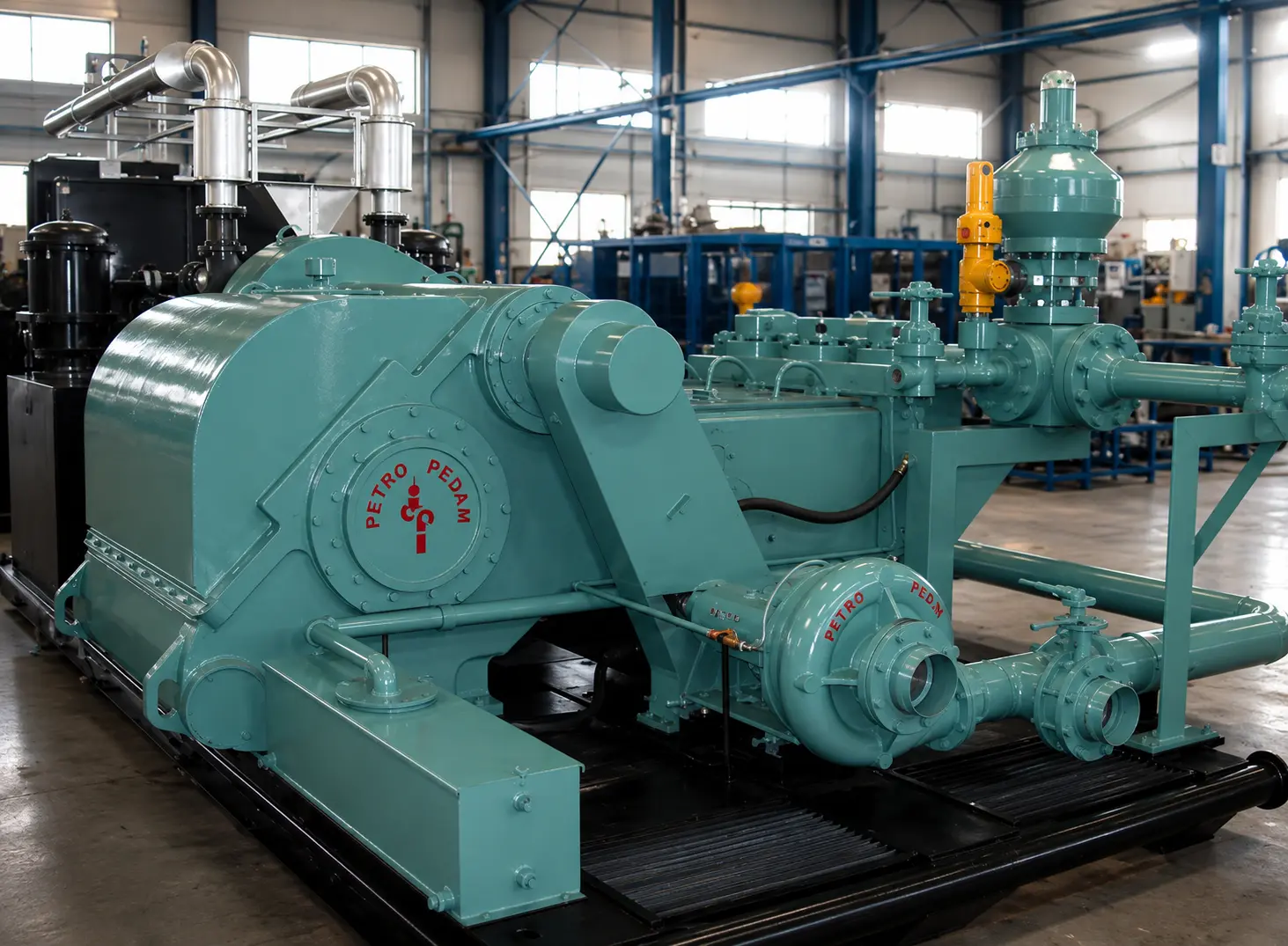
Different duties.
Different configuration needs.
The groups below help you navigate the range. Drive type, liquid-end construction and cylinder arrangement are separate choices to confirm for each model.
Steam-driven pumps
Direct-acting reciprocating configurations where the site can provide suitable steam and exhaust conditions.
Explore this group ↓Drilling-service pumps
Reciprocating configurations for drilling duties. Liner selection, stroke rate and pressure rating define the operating envelope.
Explore this group ↓Process plunger pumps
Plunger configurations for high-pressure process and transfer duties, selected against the fluid and operating conditions.
Explore this group ↓Double-acting piston pumps
Piston arrangements delivering displacement from both sides of the piston over the reciprocating cycle.
Explore this group ↓Find a configuration.
 View full-size image ↗
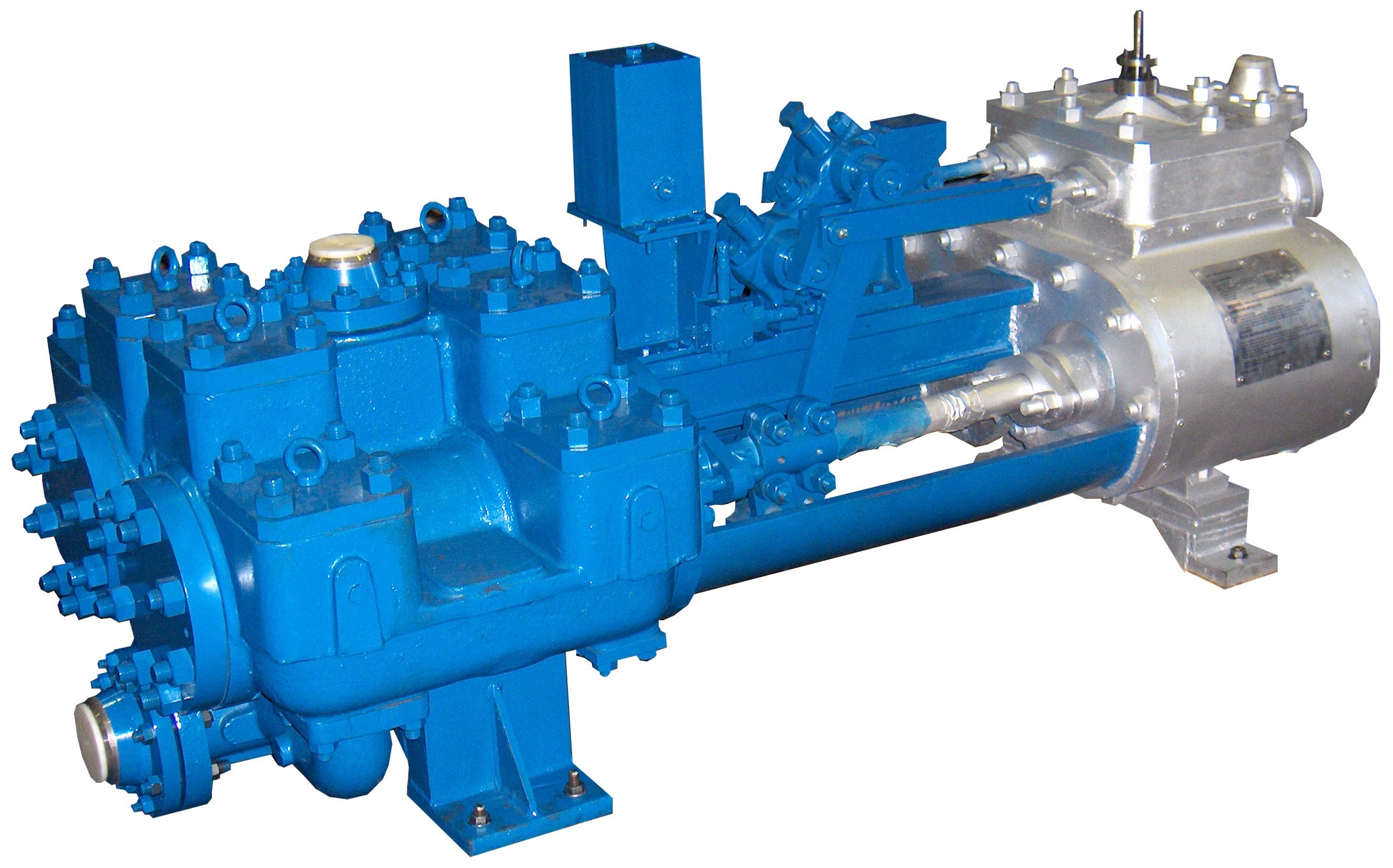
Reciprocating Steam Driven Pump
Steam-driven reciprocating configuration for industrial transfer duties where suitable steam utilities are available.
What to confirm for this model
Duty review: Steam supply pressure and temperature, exhaust backpressure, fluid conditions and control requirements.
Rating basis: request the model datasheet and the pressure–flow envelope at the proposed speed and liquid-end size.
 View full-size image ↗
Steam-03 Reciprocating Pump
Steam-powered reciprocating configuration for fluid-transfer service, specified against the available steam and process conditions.
What to confirm for this model
Duty review: Steam supply pressure and temperature, exhaust backpressure, fluid conditions and control requirements.
Rating basis: request the model datasheet and the pressure–flow envelope at the proposed speed and liquid-end size.
 View full-size image ↗
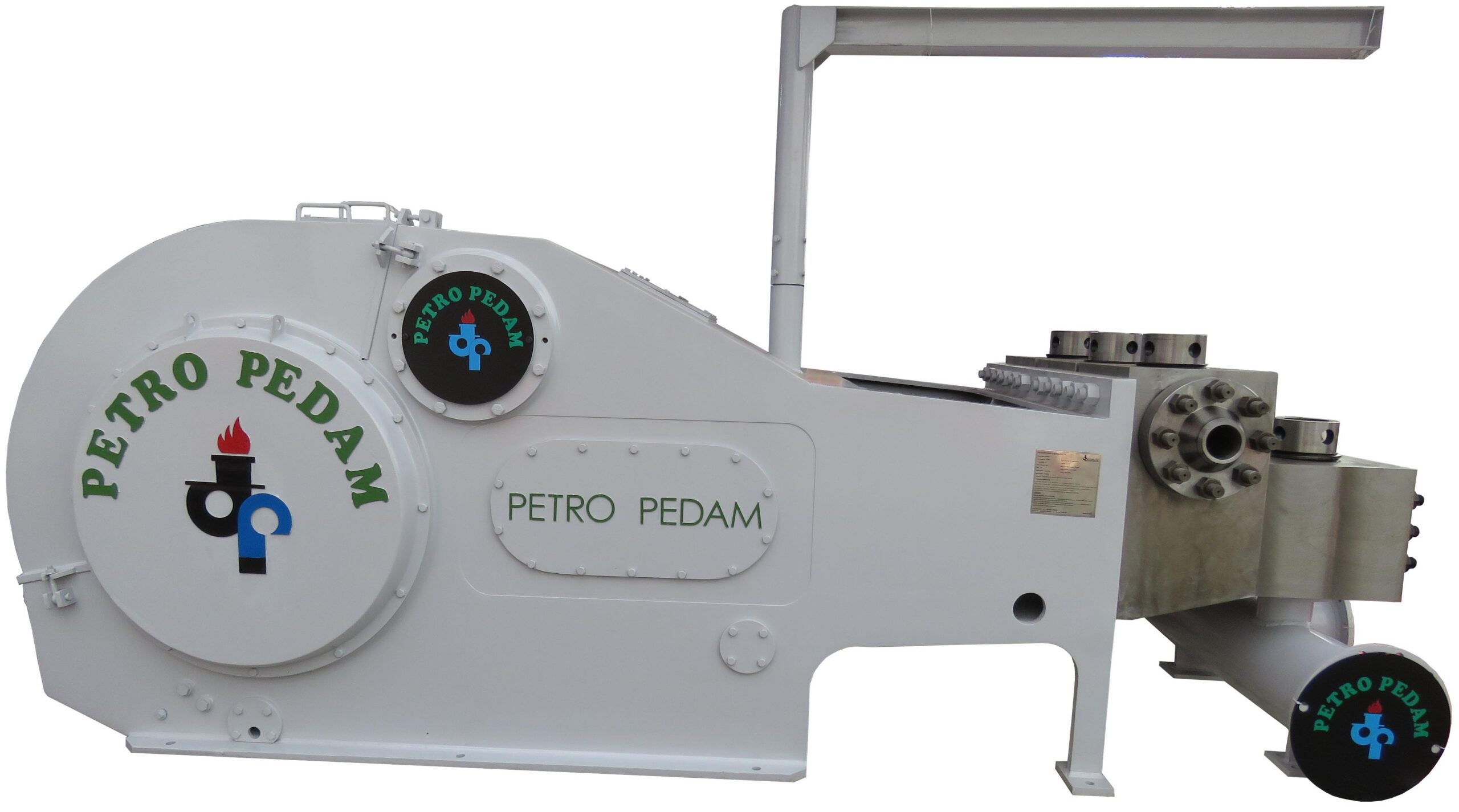
TH 1600 Triplex 300
Triplex reciprocating configuration for drilling-fluid circulation. Liner, stroke rate and power requirements define the selected duty.
What to confirm for this model
Duty review: Required flow and pressure, liner size, stroke rate, mud density, solids, input power and pulsation control.
Rating basis: request the model datasheet and the pressure–flow envelope at the proposed speed and liquid-end size.
 View full-size image ↗
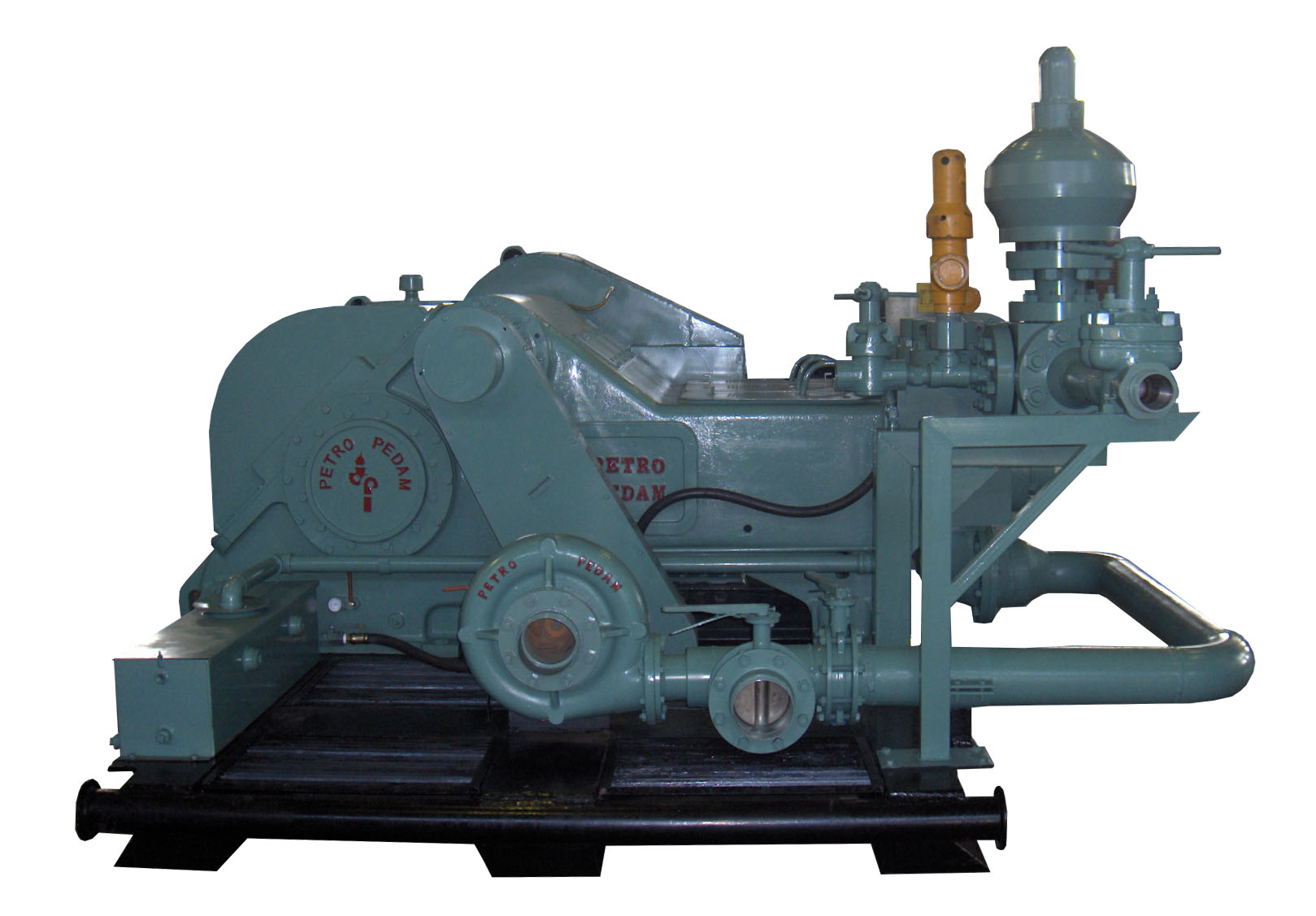
Reciprocating Pump 3
Reciprocating configuration for drilling and injection duties. Confirm the liquid-end arrangement and rating against the model datasheet.
What to confirm for this model
Duty review: Required flow and pressure, liner size, stroke rate, mud density, solids, input power and pulsation control.
Rating basis: request the model datasheet and the pressure–flow envelope at the proposed speed and liquid-end size.
 View full-size image ↗
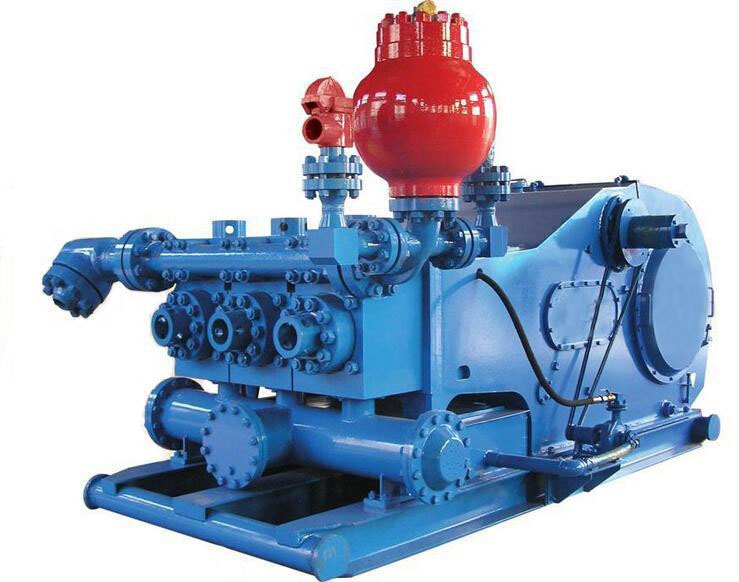
F1600 Triplex Pump
Triplex mud-pump configuration for drilling service. Confirm the liner, stroke, speed and pressure envelope for the proposed unit.
What to confirm for this model
Duty review: Required flow and pressure, liner size, stroke rate, mud density, solids, input power and pulsation control.
Rating basis: request the model datasheet and the pressure–flow envelope at the proposed speed and liquid-end size.
 View full-size image ↗
Mild Steel Triplex Plunger
Triplex plunger configuration for petroleum and industrial transfer duties, with fluid compatibility and liquid-end details reviewed per order.
What to confirm for this model
Duty review: Plunger size, speed, fluid properties, suction conditions, packing, valves, materials and pressure protection.
Rating basis: request the model datasheet and the pressure–flow envelope at the proposed speed and liquid-end size.
 View full-size image ↗
RDP Plunger RP-1
Plunger reciprocating configuration for process-fluid and water duties, selected to the required pressure and flow.
What to confirm for this model
Duty review: Plunger size, speed, fluid properties, suction conditions, packing, valves, materials and pressure protection.
Rating basis: request the model datasheet and the pressure–flow envelope at the proposed speed and liquid-end size.
 View full-size image ↗
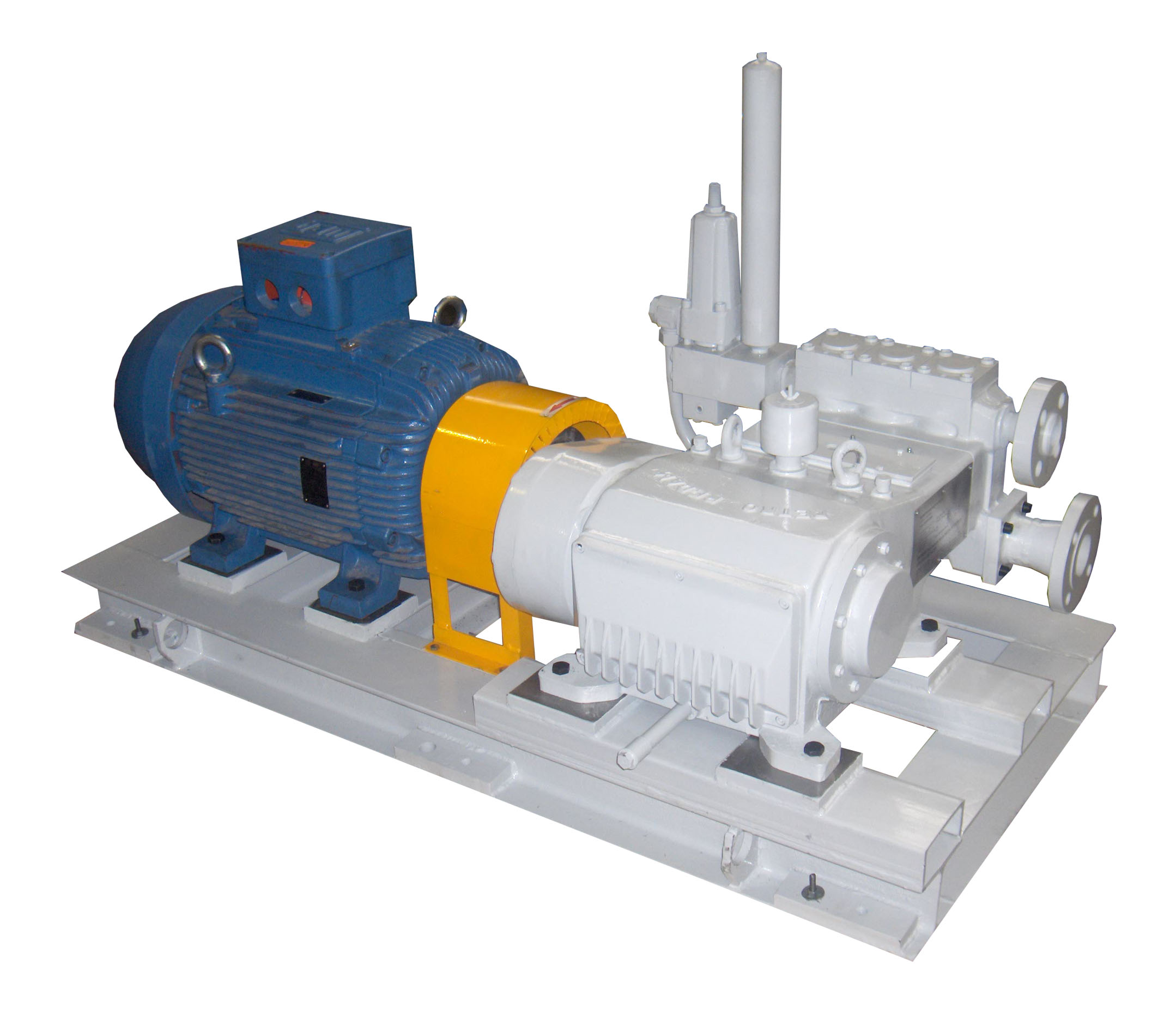
Reciprocating Pump 1
Plunger-type reciprocating configuration for industrial transfer, subject to the operating fluid and duty review.
What to confirm for this model
Duty review: Plunger size, speed, fluid properties, suction conditions, packing, valves, materials and pressure protection.
Rating basis: request the model datasheet and the pressure–flow envelope at the proposed speed and liquid-end size.
 View full-size image ↗
Industrial Triplex Pump
Triplex positive-displacement configuration for industrial process and transfer applications.
What to confirm for this model
Duty review: Plunger size, speed, fluid properties, suction conditions, packing, valves, materials and pressure protection.
Rating basis: request the model datasheet and the pressure–flow envelope at the proposed speed and liquid-end size.
 View full-size image ↗
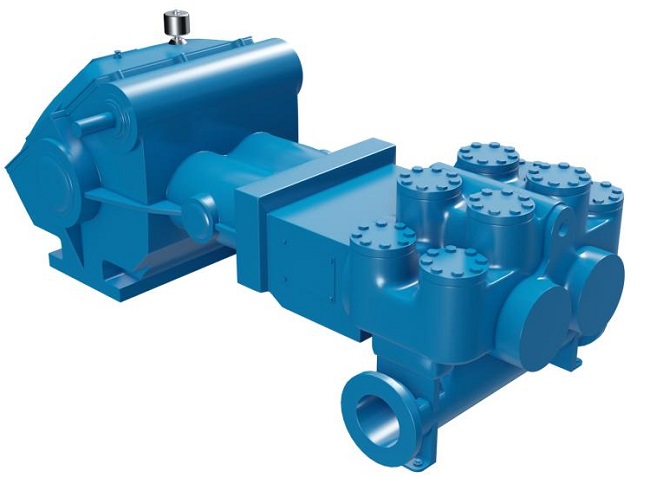
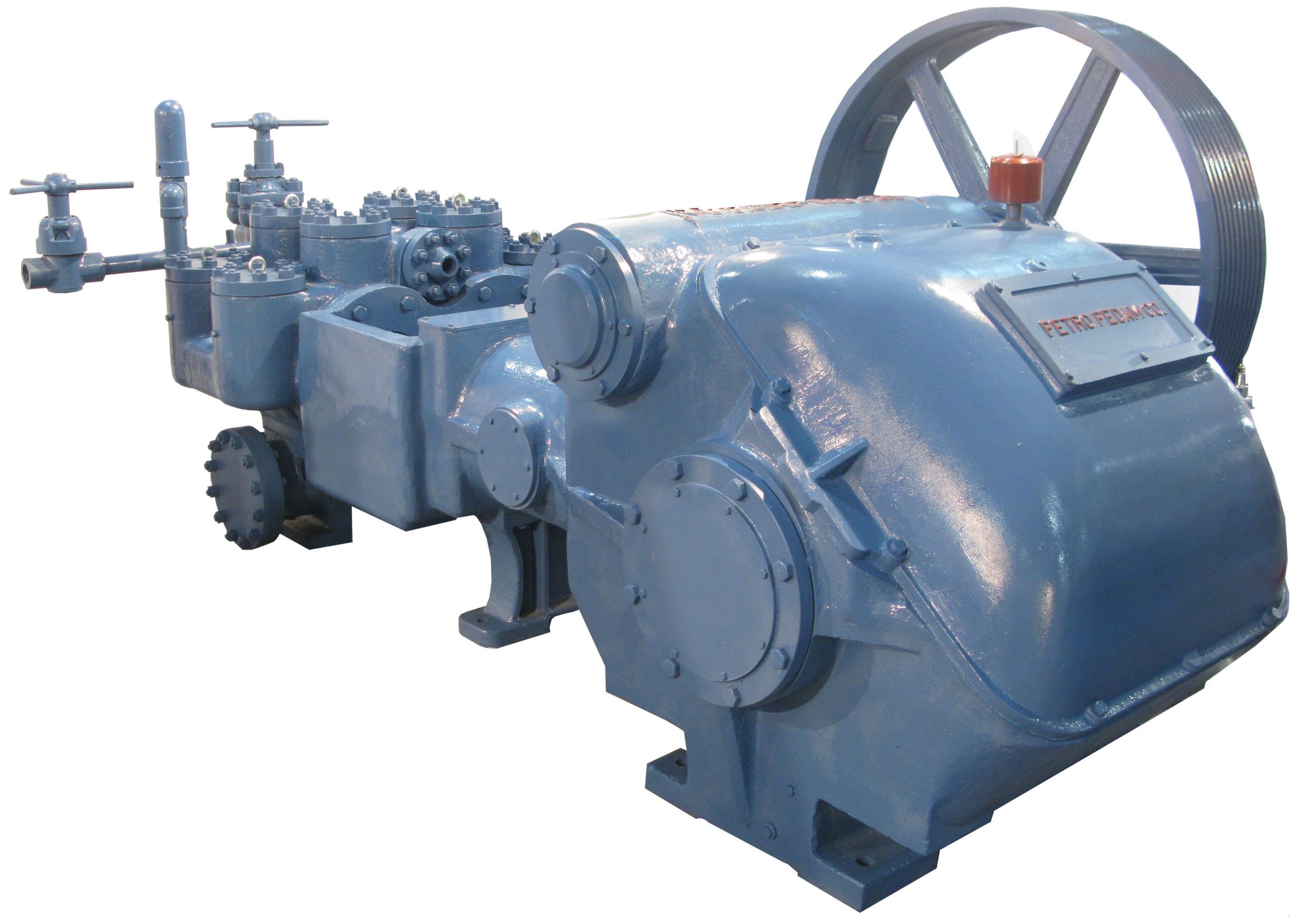
Reciprocating Pump 1654
Double-acting piston configuration for water supply and industrial fluid transfer.
What to confirm for this model
Duty review: Piston and rod dimensions, stroke and speed, fluid compatibility, valve arrangement, drive and suction conditions.
Rating basis: request the model datasheet and the pressure–flow envelope at the proposed speed and liquid-end size.
 View full-size image ↗
Reciprocating Pump 2651
Double-acting piston configuration for industrial water and transfer service.
What to confirm for this model
Duty review: Piston and rod dimensions, stroke and speed, fluid compatibility, valve arrangement, drive and suction conditions.
Rating basis: request the model datasheet and the pressure–flow envelope at the proposed speed and liquid-end size.
Compare the four service groups
A navigation guide to configuration requirements. On smaller screens, scroll the table horizontally.
| Group | Key distinction | Confirm for your duty |
|---|---|---|
| Steam driven | Steam as the motive utility | Steam supply and exhaust conditions, fluid duty and control method |
| Drilling service | Drilling-fluid circulation | Liner, stroke rate, mud properties, input power and pressure envelope |
| Process plunger | Plunger liquid-end arrangement | Plunger size, speed, packing, valves and fluid compatibility |
| Double acting | Displacement from both sides of a piston | Piston and rod dimensions, stroke, valve arrangement and drive |
Specify the system.
Then select the pump.
Reciprocating positive-displacement pumps move a volume of liquid with each cycle. Actual delivered flow depends on displacement, speed, valve performance, leakage and volumetric efficiency.
Pressure is determined by the system resistance and operating conditions, within the equipment’s rated limits. Suction performance, pulsation, pipework and pressure-protection requirements belong in the selection review.
- Flow & pressureNormal, rated and maximum conditions, plus the operating schedule
- Pumped fluidComposition, temperature, viscosity, density, gas and solids content
- Suction systemInlet pressure, pipework, liquid supply and acceleration effects
- Mechanical arrangementPiston or plunger, cylinder count, speed, stroke and liquid-end size
- Drive & controlsAvailable power or steam, speed control and site classification
- System protectionPulsation control, pressure protection, materials and inspection scope
Agree the basis for each project.
API 674 addresses reciprocating positive-displacement pump requirements for process-industry service. Confirm the applicable standard, edition, design scope, testing and documentation for the proposed equipment.
Drilling duties need their own review.
For mud-pump configurations, agree the applicable drilling-equipment requirements and model data. A process-pump standard label alone does not establish the suitability or certification of every drilling configuration.
For process procurement, the IOGP API 674 procurement reference ↗ illustrates the link between technical, data and quality requirements.
Move your enquiry forward.
Review the product catalog, request the applicable performance data and share your operating conditions with engineering.
Petropedam product catalog
Browse the company catalog in PDF format. Request a model-specific datasheet for pressure, capacity, speed, liquid-end dimensions and driver requirements.
Open product catalog · PDFTalk to the engineering team.
Send the duty specification or the existing pump’s nameplate, model and operating history. Discuss configuration, repair, component requirements and the scope of technical support.
Request an engineering reviewNISOC 750 HP mud pump.
A drilling-fluid circulation reference from our project portfolio. Explore the project descriptions, technical information and photo galleries.
View project references ↗Questions before selection.
Is the flow completely independent of discharge pressure?
The displaced volume is mainly linked to pump geometry and speed. Actual delivered flow also depends on volumetric efficiency, leakage, valve behaviour, fluid properties and operating pressure. Review the manufacturer’s performance data at the required duty.
What is the difference between piston, plunger and triplex?
Piston and plunger describe the liquid-end displacement arrangement. Triplex describes a three-cylinder arrangement; it does not, by itself, identify the sealing design, fluid suitability or pressure rating. Confirm the complete model construction.
Does a triplex arrangement eliminate pulsation?
No. Combining cylinder displacements changes the discharge-flow pattern, but pulsation remains a system consideration. The pump, suction and discharge pipework, operating speed and pulsation-control arrangement need to be reviewed together.
Can these pumps handle gas, viscous fluids or abrasive solids?
Suitability depends on the specific pump, valves, materials, sealing, speed and suction conditions. Specify viscosity at operating temperature, solids concentration and particle size, and any gas content. Request a duty-specific review instead of assuming general compatibility.
When should a steam-driven configuration be considered?
When suitable steam supply and exhaust conditions are available and the process duty matches the proposed direct-acting arrangement. Confirm utility conditions, control requirements and the liquid duty with engineering.
How are testing and material documents agreed?
Define the applicable standard, inspection and test plan, material certification, witness requirements and documentation with the order specification. Request the reports and certificates applicable to the agreed scope.
Share the duty. Define the right scope.
Send flow, pressure, fluid properties, suction conditions and available utilities. Our engineering team can review the proposed reciprocating-pump configuration.
Operating limits, availability, testing and documentation are confirmed for the specified model and project.